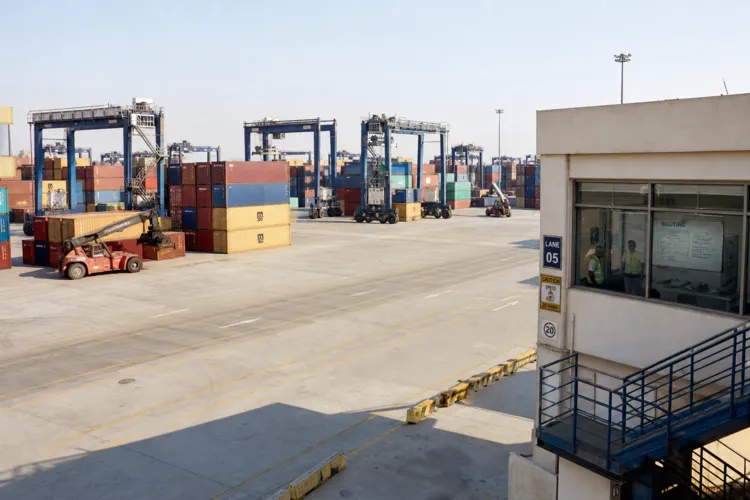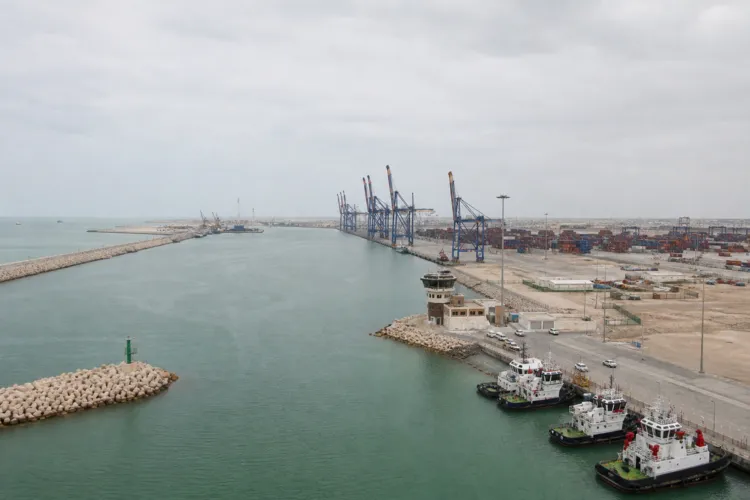
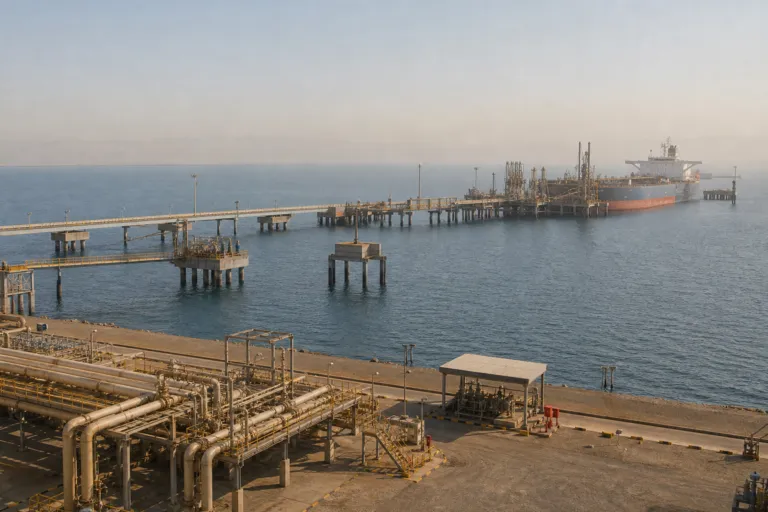
Yanbu is becoming the focal point for Saudi Arabia’s westward export workaround as Strait of Hormuz conditions disrupt established Gulf shipping patterns. Reuters reporting cited crude flows through the East-West Pipeline (Petroline) reaching about 5.8 million barrels per day as Riyadh strengthens an alternative route to the strait. Saudi Aramco has also said the pipeline was ramped up to its maximum 7 million-bpd capacity earlier in 2026. The logic is straightforward: move crude overland from the eastern production areas to Yanbu on the Red Sea, where tankers can load without relying on Gulf ports.
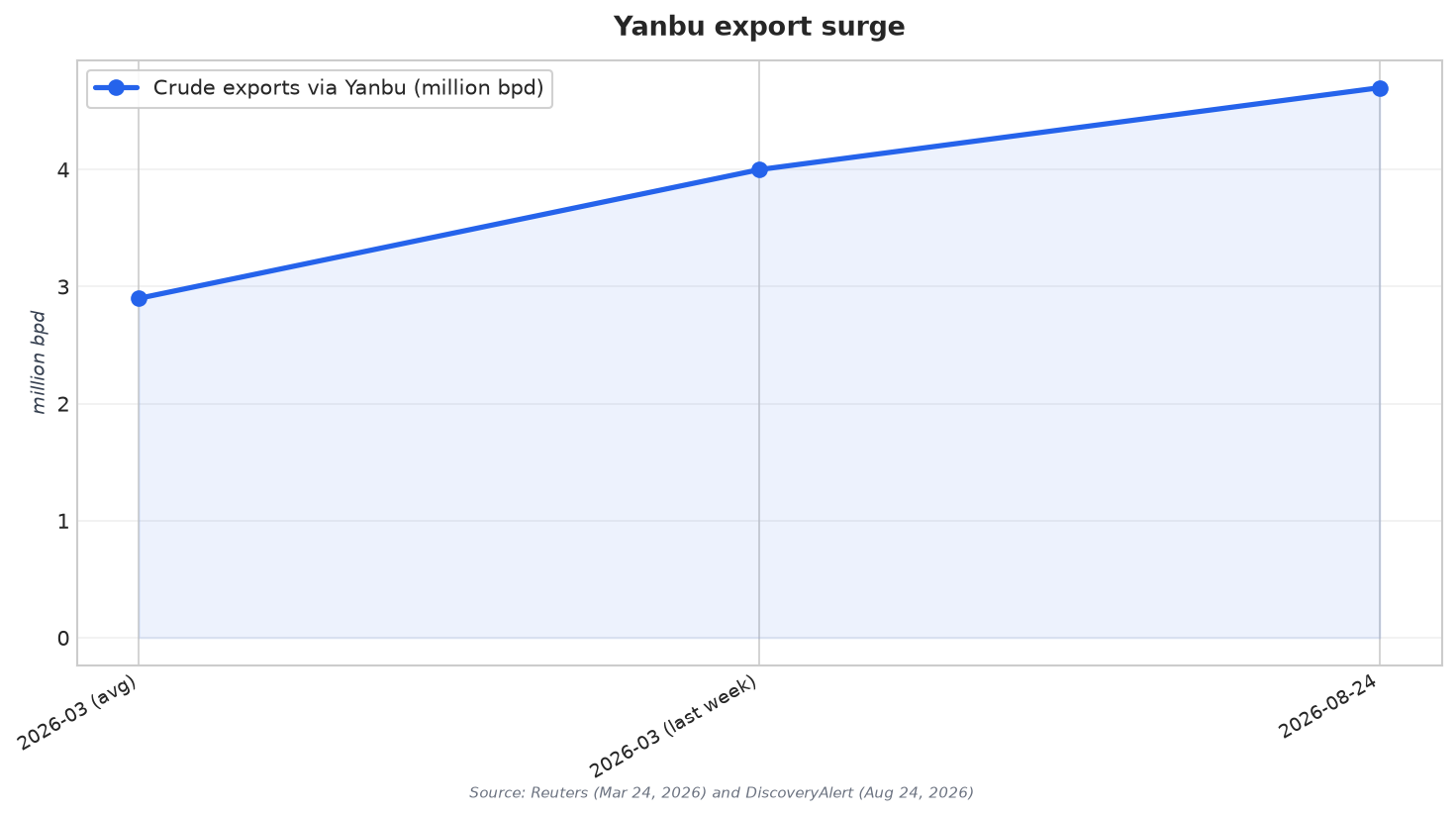
The port’s role shows up clearly in export and tanker activity data from 2026. Reuters reported crude exports from Yanbu rose to nearly 4 million barrels per day last week (as of March 24), with Kpler data showing March averaging about 2.9 million bpd, broadly in line with figures provided by LSEG. Braemar analysis cited by Reuters said 33 VLCCs have lifted oil from Yanbu since February 28, and BRS described Middle Eastern crude tanker markets as “chaotic” with many Saudi cargoes rerouted via Yanbu. Market estimates in the same Reuters report put average tanker earnings for Red Sea-to-Asia voyages at nearly $270,000 a day, the highest in nearly six years.
Capacity Becomes the Constraint as Volumes Move West
The emerging picture is that pipeline capability and terminal loading capacity are not the same thing, and the mismatch sets the ceiling for any sustained pivot. Reuters-based reporting summarized by IndexBox notes that Vortexa data suggests Yanbu’s terminals can load a maximum of three million barrels daily, even though the pipeline has a larger nameplate capacity. That tension also appears in commercial decisions. Reuters reported Saudi Arabia opened a tender for two million barrels of Arab Light for loading in March from Yanbu, described as the fourth such tender as supply is redirected from the Persian Gulf toward the Red Sea, with the grade for that tender loading only from Yanbu.
As the re-routing continues, voyage patterns and route risk shift rather than disappear. A weekly market report published by the ALLIED family notes that Asian cargoes loaded at Yanbu must normally sail south through Bab el-Mandeb. It adds that the alternative of moving north through Suez and then around southern Africa to reach Asia adds approximately 22 days to the voyage, increasing bunker consumption, charter duration, and effective tonne-mile demand. In other words, the operational workaround can preserve export optionality, but it can also reshape freight economics and scheduling pressure for cargoes moving from the Red Sea toward Asian demand centers.
Against this backdrop, Yanbu’s importance is being tracked as an indicator of how much crude can be shifted overland and then executed through the maritime leg. Reuters-cited reporting on Oct. 6 again highlighted about 5.8 million barrels per day moving through the East-West Pipeline, reinforcing the scale of crude that can be pushed toward the Red Sea when Gulf routes are strained. Separate reporting notes that Yanbu port crude shipments hit 4.7 million bpd amid the disruptions, while also stating that sources cited by Reuters say Saudi Arabia is reportedly evaluating options to expand pipeline and terminal capacity at Yanbu. Together, these data points frame the current moment: a rapid west-coast pivot, with port-side execution and logistics determining how far the shift can go.
What is driving the Yanbu port cargo diversion toward the Red Sea?
How high did Yanbu crude exports rise during the 2026 disruptions?
What are the key capacity limits at Yanbu versus the pipeline?
What tanker signals show cargoes are shifting to Yanbu?
How can routes from Yanbu to Asia affect schedules and costs?
Talk to us for your needs in:
- Identifying Suitable Warehouse Sites in Saudi Arabia
- Customized Logistics and Supply Chain Analytics
- Logistics Network Design and Optimization
- Green Supply Chain and Sustainable Logistics Solutions
- Supply Chain Risk Management and Compliance
- Advanced Supply Chain Resilience and Agility
- Logistics Market Research and Strategic Analysis
- In-Depth Market Survey for Logistics
- Market Intelligence and Insights in Logistics
- Feasibility Study and Assessment in Logistics
- Integrated Warehousing Management Solutions
- Smart Warehousing and Automation Systems
- Sustainable and Green Warehousing Practices
- Port and Airport Logistics Optimization
- Digital Logistics Solutions
- Saudi Logistics Benchmarking