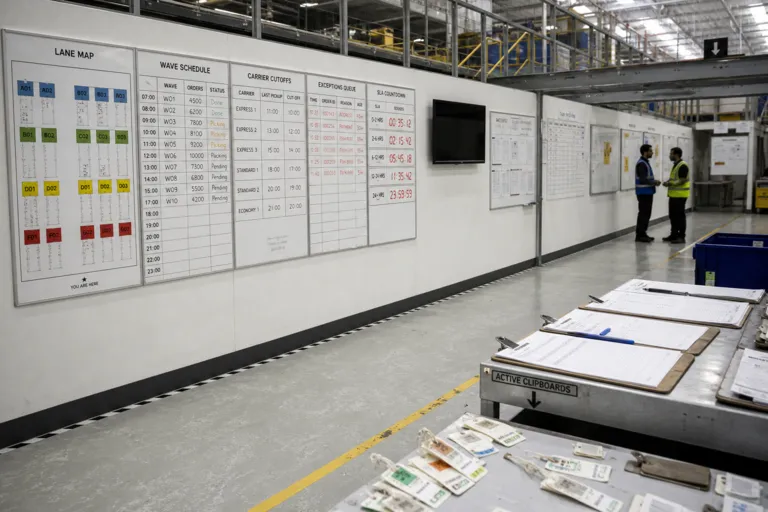
White Friday is not a campaign you bolt on a few weeks before November. In the GCC, peak seasons are shaped by a distinct commercial calendar where Ramadan and Eid al-Fitr are the largest consumer season and White Friday is described as even bigger in raw dollar value. This matters for Saudi Arabia because peak demand collides with an already fast-moving logistics base. The Saudi Arabia logistics market is forecast by IMARC Group to expand from USD 55.29 billion in 2025 to USD 57.88 billion in 2026, and reach USD 83.41 billion by 2034. That growth trajectory raises the stakes: carriers and fulfillment centers must align labor, storage, and linehaul capacity early, then execute with tight cutoffs and clear service promises.
Start by quantifying the demand environment you are operating in. Mordor Intelligence reports 118 million e-commerce transactions in Q1 2026 in Saudi Arabia, up 49% year-on-year, with Riyadh alone generating 44% of orders. That density can help route efficiency, but it also concentrates peak risk into a few urban nodes. Planning should reflect the service mix customers already use. In 2025, standard delivery held 62.57% share of the Saudi last-mile delivery market, while B2C flows accounted for 71.6%. For fulfillment leaders, these shares are operational clues: your bulk of White Friday volume may still be standard, but you must protect the minority share of faster services that tends to break first when pick, pack, and sort fall behind.
Fulfillment Centers: Build Peak Capacity Around Flow, Not Hype
Peak resilience comes from flow design. Mordor Intelligence notes standard 3-to-5-day services held 57.43% share in Saudi e-commerce logistics in 2025, while same-day fulfillment is advancing at a 19.70% CAGR for 2026–2031. Treat that as a signal to separate lanes and labor plans by promise type, not by brand or channel. Value-added services are also projected to outpace other lines at a 10.80% CAGR (2026–2031), driven by Arabic labeling mandates and promotional bundling that increase demand for kitting, packaging, and personalization. White Friday bundles amplify this. If you do not pre-stage materials and slotting for kitting work, your entire outbound schedule will slip, even if inbound and picking are staffed.
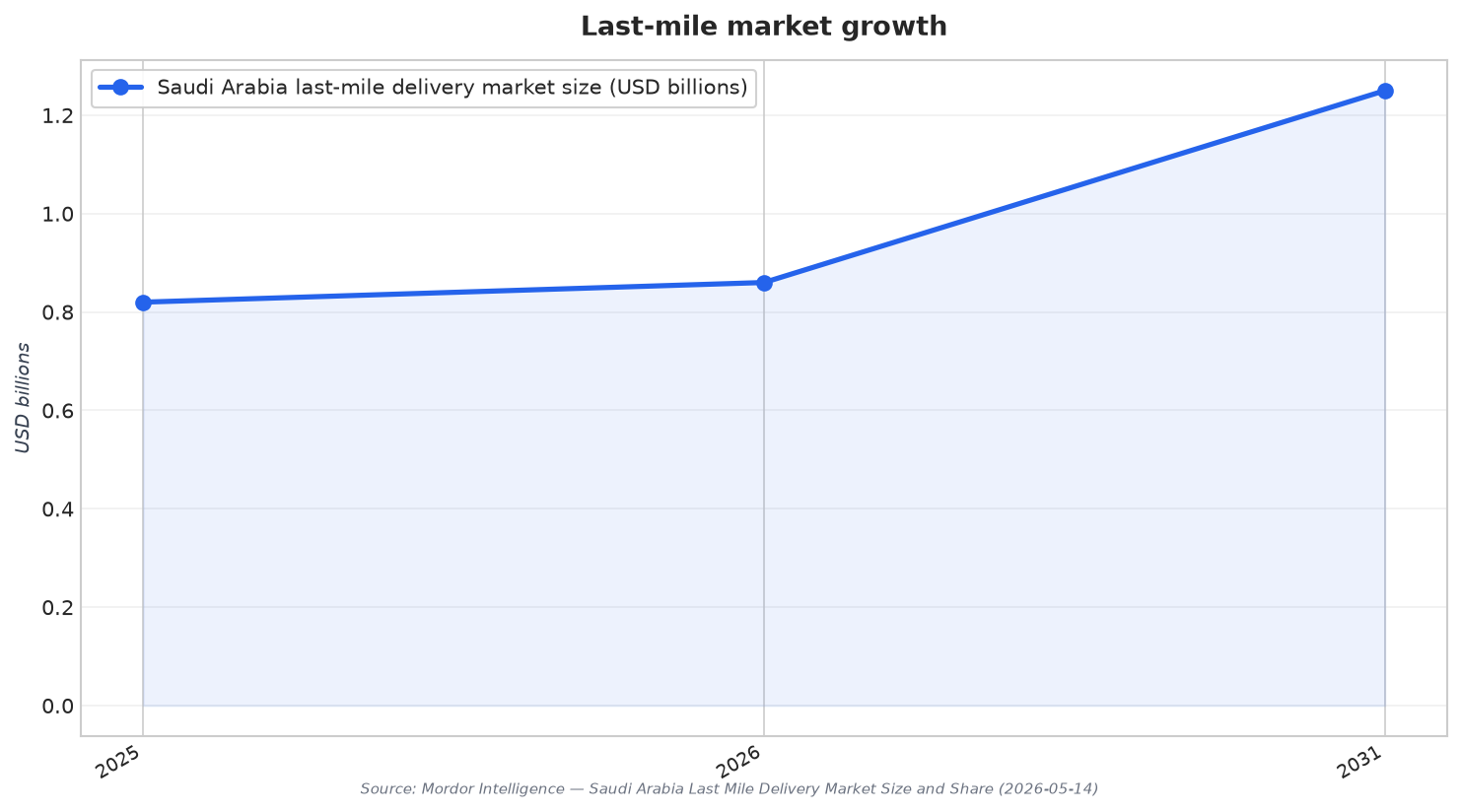
Carriers and fulfillment teams should also plan around the physical throughput constraints of the network. Mordor Intelligence describes automated sort centers processing 50,000 parcels per hour, and AI-driven address validation reducing failed deliveries by 22%. Those capabilities are most valuable when you feed them with clean manifests and consistent label logic across shippers. At the network level, Saudi Arabia’s roadways led with a 59.08% share in 2025, supported by a 73,000-kilometer highway network, according to IMARC Group. Use that strength to design bypass linehauls and cross-dock rhythms that keep dense cities moving, while preventing urban stations from becoming long-stay storage during the White Friday surge.
Finally, lock governance and compliance before the rush. Mordor Intelligence highlights April 2024 courier-licensing reforms that formalized 37 operators, channeling gig deliveries into compliant networks and raising service standards. Combine that with a changing demand mix: domestic shipments represented 81.14% of Saudi e-commerce logistics market revenue in 2025, while cross-border volumes are expected to grow at a 13.90% CAGR (2026–2031) as Red Sea disruptions ease. For White Friday 2026 Saudi logistics teams, that means two playbooks running in parallel: a domestic peak plan built for Riyadh-scale density and a cross-border plan built for variability, with clear exception handling and realistic customer promises.
Why does White Friday require earlier operational planning in Saudi Arabia?
What recent demand signals should carriers use when planning November peak?
Which delivery services dominate, and what is changing fastest?
How can automation and data quality reduce failed deliveries during peak?
What should a White Friday 2026 Saudi logistics plan include for cross-border shipments?
Talk to us for your needs in:
- Identifying Suitable Warehouse Sites in Saudi Arabia
- Customized Logistics and Supply Chain Analytics
- Logistics Network Design and Optimization
- Green Supply Chain and Sustainable Logistics Solutions
- Supply Chain Risk Management and Compliance
- Advanced Supply Chain Resilience and Agility
- Logistics Market Research and Strategic Analysis
- In-Depth Market Survey for Logistics
- Market Intelligence and Insights in Logistics
- Feasibility Study and Assessment in Logistics
- Integrated Warehousing Management Solutions
- Smart Warehousing and Automation Systems
- Sustainable and Green Warehousing Practices
- Port and Airport Logistics Optimization
- Digital Logistics Solutions
- Saudi Logistics Benchmarking