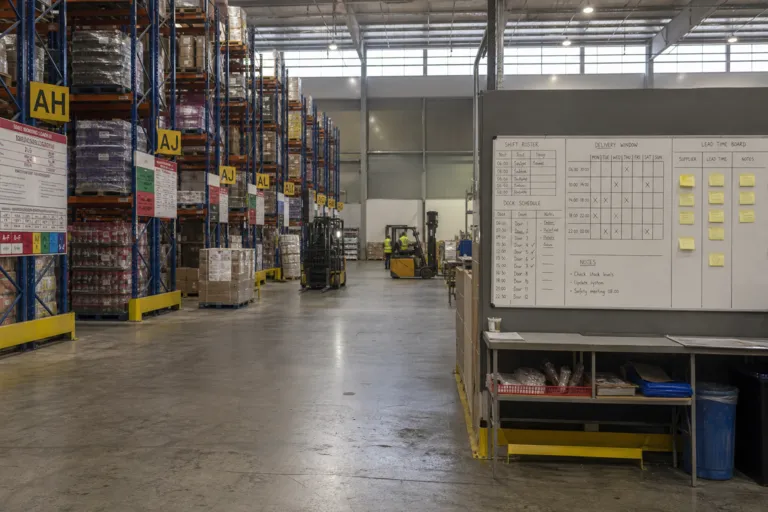
Saudi operations planning for Ramadan is less about a single “peak day” and more about a shifted daily clock. A GCC grocery playbook published in August 2026 describes how the shopping day inverts, with demand moving to the hours around and after Iftar and continuing late into the night, while daytime volume falls. That pattern breaks schedules designed for daytime retail and daytime data collection. For Saudi planners, the operational implication is direct: inventory availability and delivery promises can change most during evening and overnight hours, so planning and monitoring must follow that curve, not a 09:00 or 14:00 routine.
Inventory planning also starts earlier than many teams expect. The same GCC playbook notes category demand begins moving two to three weeks before Ramadan starts as households stock staples, and it lists items such as dates, rice, cooking oils, dairy, and juices among those that see sustained lifts before the first day. A separate shipping timeline describes even longer upstream pressure: retail and wholesale stocking begins six to eight weeks before Ramadan, with an ordering deadline in November 2026 and practical arrival deadlines in the first half of January 2027 for many crops. For Saudi import flows, the same source gives rough transit ranges, including about 7 to 10 days to Jeddah, while warning these numbers stretch when the pre-Ramadan rush loads the same vessels.
Fleet and Delivery Windows: Plan for Night Demand and Compliance
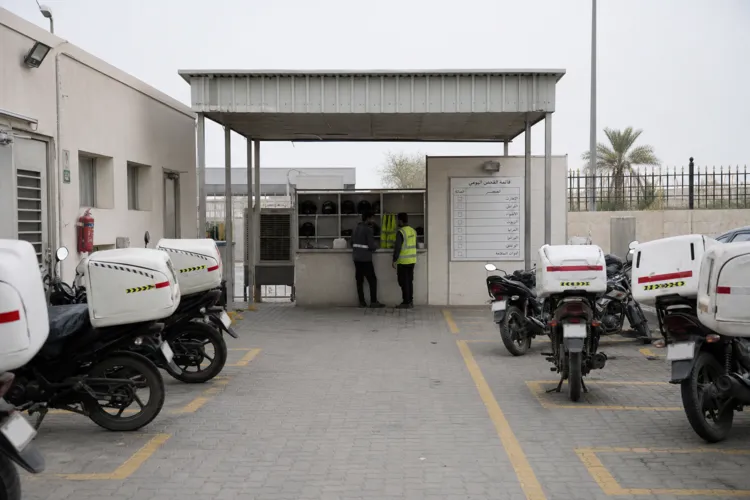
Fleet strategy should mirror the night-heavy demand curve and the realities of delivery-window volatility. The GCC playbook stresses that a quoted delivery time at 10:00 can say little about what happens at 21:00, and that delivery promise should be captured through the peak ordering window rather than at an arbitrary daytime point. In Saudi quick commerce, operational performance signals matter because the expectation is measurable: a Saudi quick-commerce report states iMile reported a 99.5% on-time delivery rate during the Ramadan 2026 peak, alongside 3 complaints per 100,000 shipments in the TGA rating. To protect service in 2027, platform-owned operations are described as being able to set schedules around prayer-time pauses and Ramadan evening surges, which can be harder to manage when third-party couriers split time across competing platforms.
Workforce and compliance planning should be treated as capacity planning, not as HR administration. The same Saudi quick-commerce report notes a requirement of 70% Saudi national staffing across 12 supply chain and procurement roles for qualifying establishments, effective from November 2025. It also states that as of April 15, 2026, only workers with digitally documented Qiwa contracts count toward Saudization calculations. For Ramadan readiness, that means staffing levels, shift coverage, and subcontractor usage need to be modeled early enough to ensure documentation does not become an unplanned constraint during the night surge period.
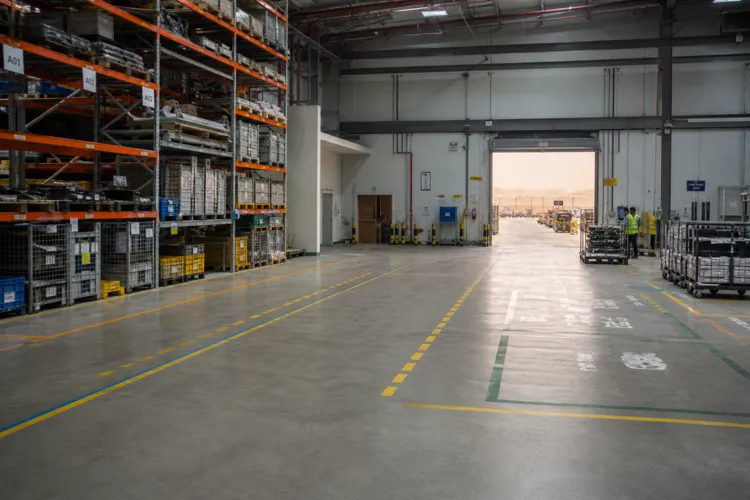
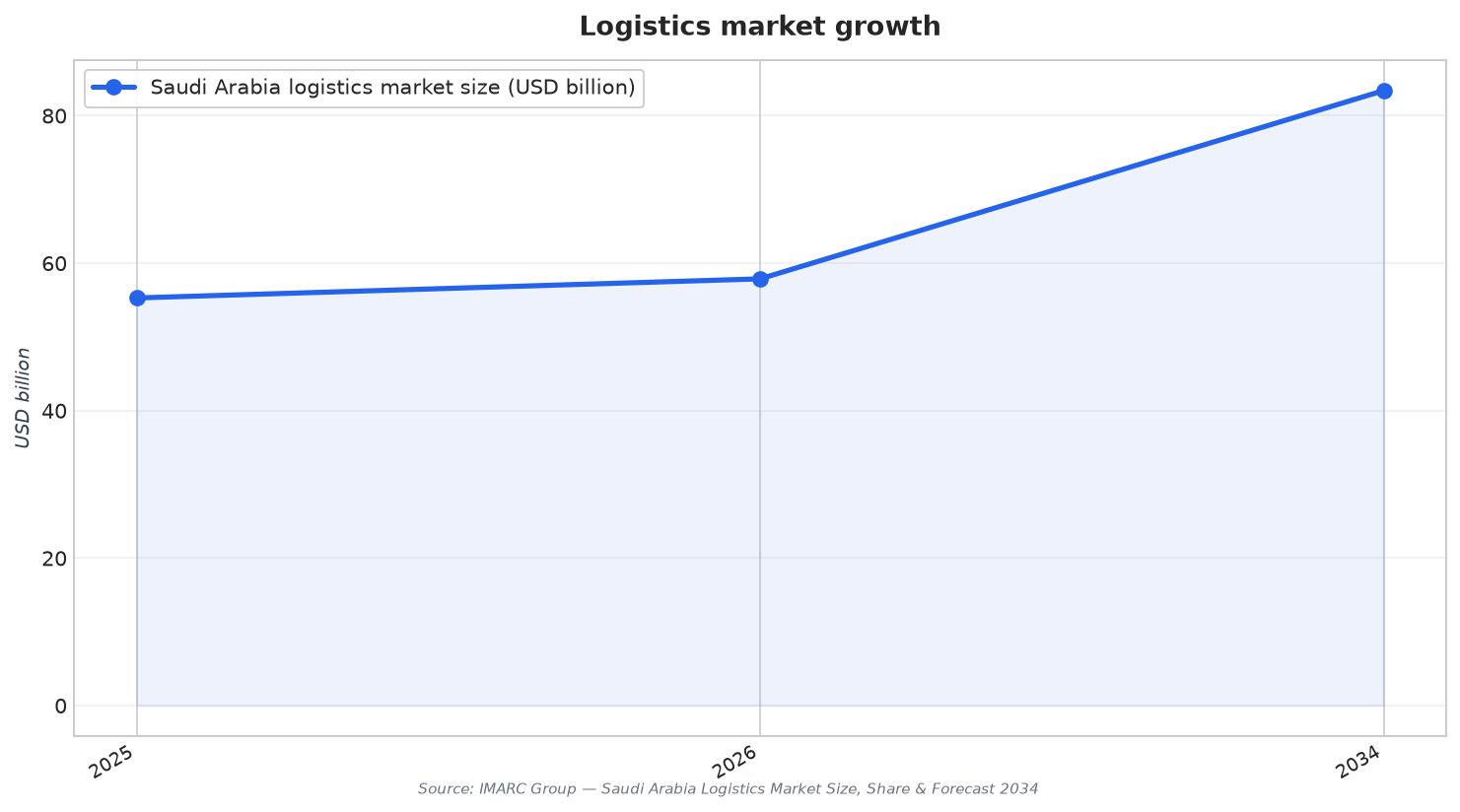
Finally, connect Ramadan 2027 supply chain planning to the broader KSA logistics investment context, because peak execution depends on baseline network strength. One market source states Saudi Arabia’s logistics market size increased from USD 55.29 Billion in 2025 to USD 57.88 Billion in 2026, and it highlights how integrated operators with captive fleets, owned warehouse networks, and in-house technology platforms can achieve different cost structures than those relying on spot procurement. Another Saudi freight and logistics report links network economics to demand growth, stating Saudi e-commerce gross merchandise value exceeded USD 15 billion in 2025 and that retailers and delivery firms are adding dark stores, neighborhood fulfillment points, and tracking tools. Put together, the practical play is to lock inbound timelines earlier, treat seasonal SKUs as seasonal to avoid false “range change” signals, and tune delivery windows to the hours when customers actually place orders.
When should Saudi teams start inventory build-up for Ramadan 2027?
What transit time should planners consider for Jeddah-bound shipments in the pre-Ramadan rush?
How should delivery windows be managed when Ramadan demand shifts into the evening?
Which performance signals from Ramadan 2026 can guide Saudi last-mile planning for 2027?
What does Ramadan 2027 supply chain planning in Saudi Arabia need to consider for staffing compliance?
Talk to us for your needs in:
- Identifying Suitable Warehouse Sites in Saudi Arabia
- Customized Logistics and Supply Chain Analytics
- Logistics Network Design and Optimization
- Green Supply Chain and Sustainable Logistics Solutions
- Supply Chain Risk Management and Compliance
- Advanced Supply Chain Resilience and Agility
- Logistics Market Research and Strategic Analysis
- In-Depth Market Survey for Logistics
- Market Intelligence and Insights in Logistics
- Feasibility Study and Assessment in Logistics
- Integrated Warehousing Management Solutions
- Smart Warehousing and Automation Systems
- Sustainable and Green Warehousing Practices
- Port and Airport Logistics Optimization
- Digital Logistics Solutions
- Saudi Logistics Benchmarking