Saudi Arabia has introduced a formal regulatory framework for commercial motorcycle goods transport. For platforms, fleet operators, and businesses planning motorcycle-based deliveries, the compliance work now starts before investing in vehicles, hiring riders, or expanding a network. On August 7, 2026, the Kingdom published the Executive Regulation for Transporting Goods by Motorcycle for Commercial Purposes, administered by the Transport General Authority (TGA). The regulation sets rules that cover business licensing, professional rider qualifications, motorcycle operating cards, cargo equipment, and operational safety.
The scope matters. These rules govern the commercial transportation of other parties’ goods by motorcycle under the TGA framework, and the source notes that app-based order delivery and other transport services may have separate or additional requirements. Under Article 3, the regulated activity is restricted to eligible establishments holding the required TGA authorization. In other words, motorcycle registration alone does not grant permission to operate a commercial goods-transport business. For teams building a compliance plan, this distinction is the first checkpoint for Saudi motorcycle delivery regulations and how they apply to your operating model.
Practical TGA Compliance Steps for Platforms and Fleets
Article 4 sets the conditions for obtaining a license, and the requirements are operational as well as administrative. Businesses must submit an application through TGA-approved channels and hold a valid commercial registration that includes the regulated motorcycle goods-transport activity. They also need a valid social insurance certificate and a valid Zakat and income certificate when the commercial registration is more than one year old. The regulation also requires payment of applicable outstanding penalties and regulatory fees, which makes internal readiness and record hygiene part of licensing—not a post-launch task.
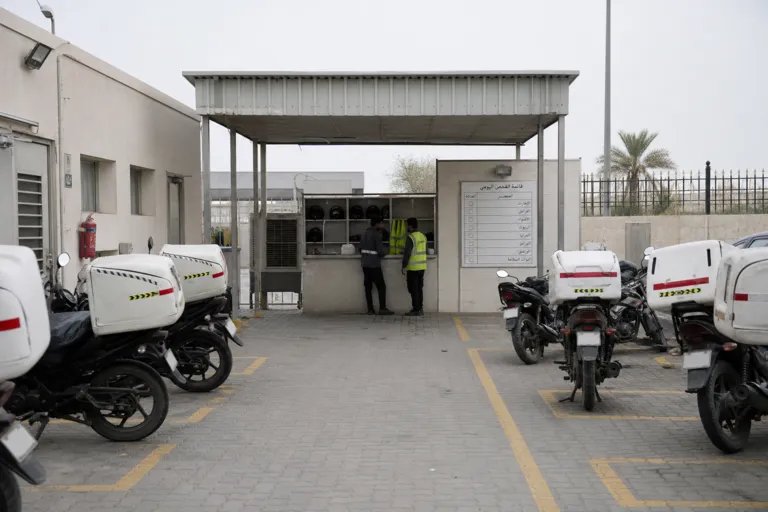
Two requirements are especially important for platforms and fleet managers because they affect rollout timing and system design. First, the regulation requires previous active approval under the motorcycle regulatory sandbox, and businesses without this approval should establish their eligibility with the TGA before planning a new operation. Second, applicants must have connectivity with the TGA electronic platform, which may shape how a delivery platform integrates compliance into dispatch and fleet administration. Operationally, Article 4 also calls for an operating center in the licensed city and suitable motorcycle parking facilities in intended operating locations, tying licensing to physical readiness.
Safety and legitimacy are also part of the wider commercial context for two-wheeler operations. The World Health Organization estimates that road crashes cause approximately 1.19 million deaths annually, and riders of powered two- and three-wheelers account for a substantial share of fatalities. In a separate WHO-cited statement, motorcyclists and riders of other powered two- and three-wheeled vehicles account for nearly one-third of global road-traffic deaths. For operators, aligning processes with the TGA’s requirements on professional rider qualifications, operating cards, cargo equipment, and operational safety is not just regulatory—it supports consistent service expectations for customers and partners.
When did Saudi Arabia publish the TGA executive regulation for commercial motorcycle goods transport?
Do you need TGA authorization if your motorcycles are already registered?
What documents and conditions are required under Article 4 to obtain a TGA license?
How should platforms interpret Saudi motorcycle delivery regulations if they run app-based delivery?
Talk to us for your needs in:
- Identifying Suitable Warehouse Sites in Saudi Arabia
- Customized Logistics and Supply Chain Analytics
- Logistics Network Design and Optimization
- Green Supply Chain and Sustainable Logistics Solutions
- Supply Chain Risk Management and Compliance
- Advanced Supply Chain Resilience and Agility
- Logistics Market Research and Strategic Analysis
- In-Depth Market Survey for Logistics
- Market Intelligence and Insights in Logistics
- Feasibility Study and Assessment in Logistics
- Integrated Warehousing Management Solutions
- Smart Warehousing and Automation Systems
- Sustainable and Green Warehousing Practices
- Port and Airport Logistics Optimization
- Digital Logistics Solutions
- Saudi Logistics Benchmarking