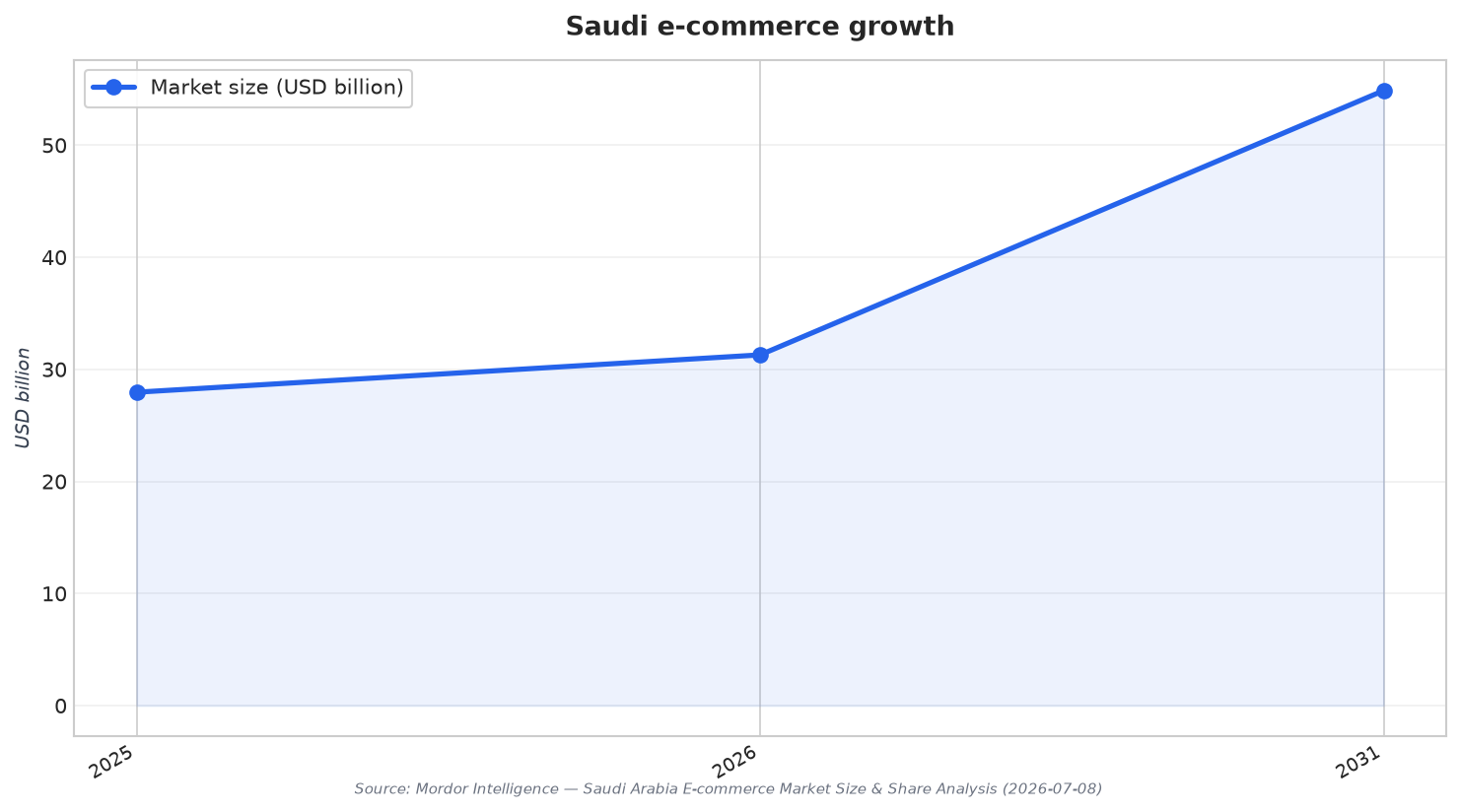
Saudi Arabia’s e-commerce market is estimated at USD 31.29 billion in 2026, up from USD 27.96 billion in 2025, with projections of USD 54.87 billion by 2031 and an 11.92% CAGR over 2026–2031. In 2025, B2C held 73.54% of market share, and smartphones drove 77.98% of B2C revenue. Riyadh is central to this demand pattern, contributing 35.01% revenue share in 2025. This is the operating backdrop for consolidation strategies that reduce touches, simplify compliance, and keep popular SKUs close to end customers without forcing immediate duty payment.
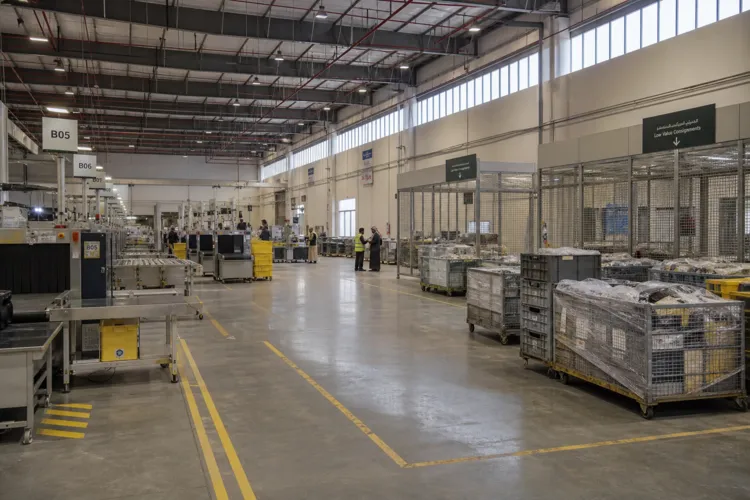
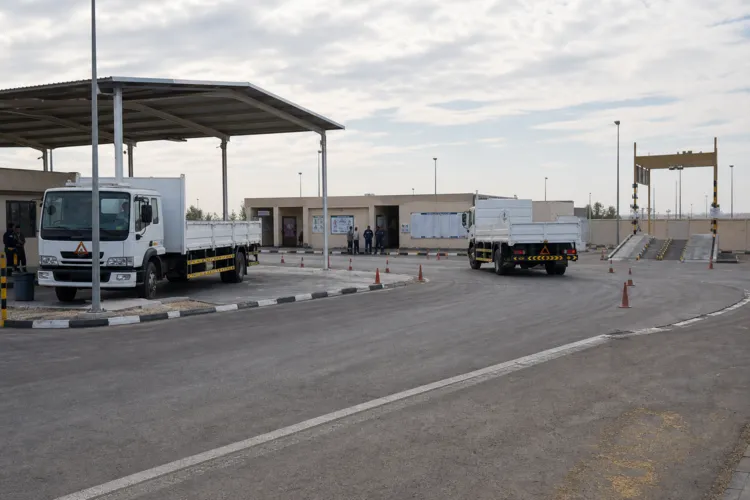
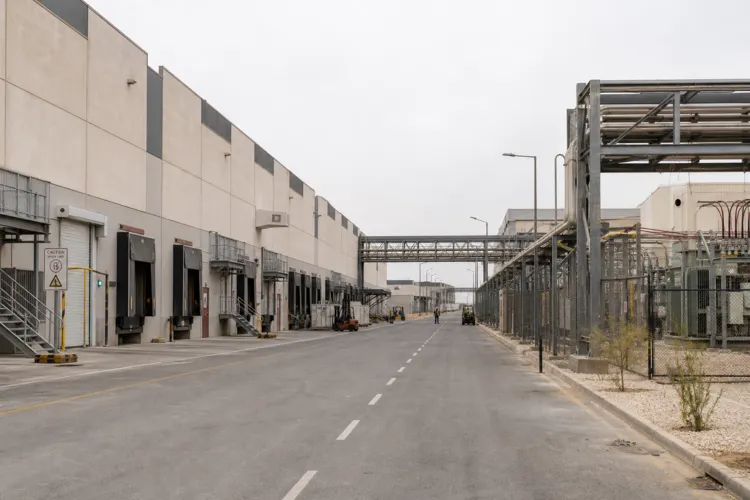
Riyadh’s ILBZ is positioned next to King Khalid International Airport and is framed as a regional logistics and distribution hub. The zone is designed to let companies import, store, process, and re-export goods without paying customs duties until products enter the Saudi domestic market. Incentives cited for the ILBZ include a 5% corporate tax, 0% customs duty within the zone, 0% withholding tax, and streamlined visa and work permit processes. For e-commerce, this creates a practical model for inventory pooling, where brands and marketplace sellers can consolidate inbound shipments, stage assortments, and only trigger duty when a domestic order is actually fulfilled.
How a Bonded Riyadh Hub Supports Value-added Logistics
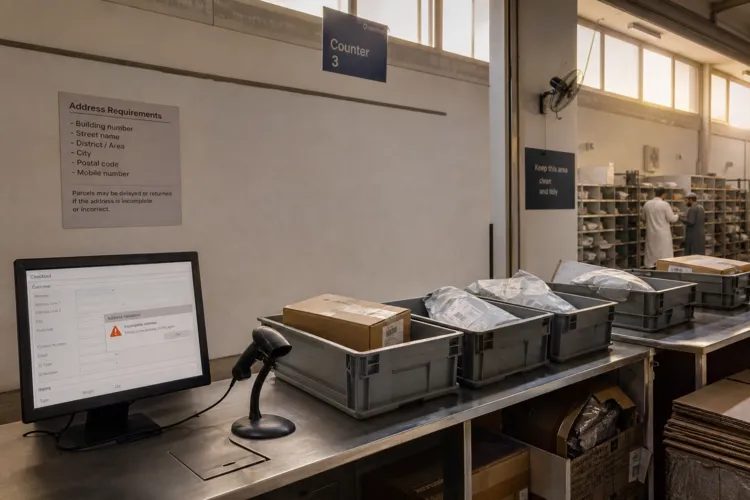
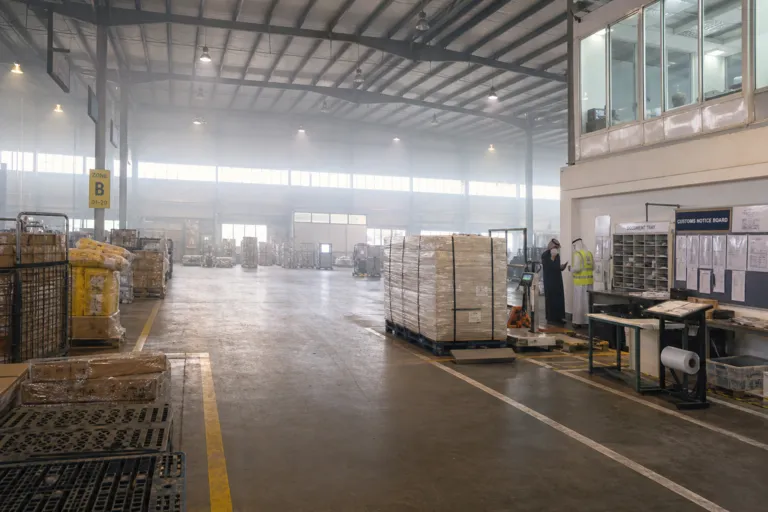
Saudi logistics reporting also highlights how bonded-zone e-commerce fulfillment can change cycle times and working capital. The Special Integrated Logistics Zone at King Khalid International Airport is described as spanning 32 million ft² and offering duty-deferred storage and automated clearance, with average e-parcel customs release times noted as below two hours. The same discussion points to a national LOGISTI single-window that streamlines documentation, and it notes that value-added tax is applied only on fulfilled quantities, which can improve working-capital cycles for small merchants. In practice, these mechanics support value-added steps such as kitting, labeling, and returns-ready preparation while keeping cross-border flows fluid.
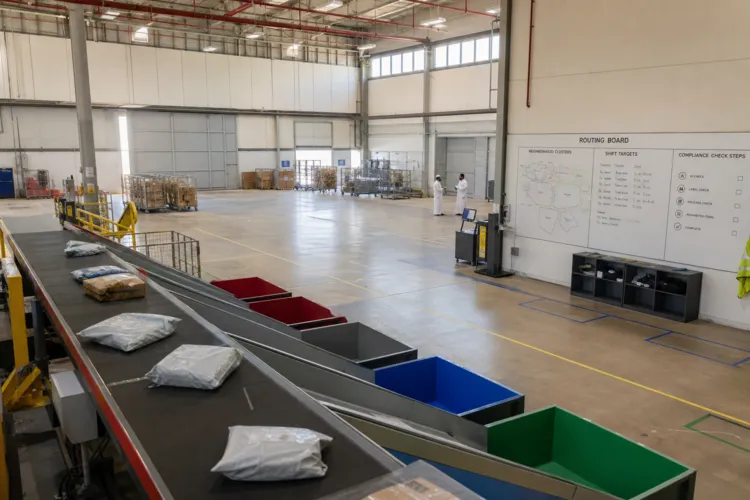
Last-mile expectations are also rising alongside parcel-network investment and automation. Saudi Arabia’s CEP market is worth USD 1.46 billion in 2026 and is forecast to reach USD 2.01 billion by 2031 at a 6.58% CAGR. In Riyadh, Aramex unveiled a robotic sorting facility featuring 120 AGVs capable of 4,000 parcels per hour, which underlines how capacity is being engineered for higher throughput. The same CEP coverage links national addressing improvements and Integrated Logistics Business Zones with faster customs pre-clearance for high-value parcels. For merchants, this reinforces the case for one consolidated Riyadh node that can feed multiple delivery promises without fragmenting stock across too many sites.
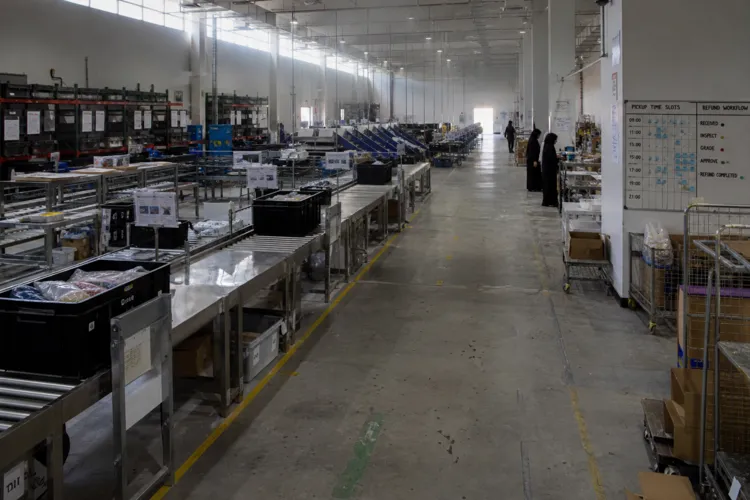
From a warehousing and multi-user operations angle, the Saudi Arabia 3PL warehousing market is worth USD 3.74 billion in 2026 and is projected to reach USD 4.94 billion by 2031 at a 5.71% CAGR. The Riyadh Integrated Special Logistics Zone is described as adding a bonded air cargo layer that links domestic distribution with international freight corridors, and re-export logistics centers had already expanded to 23 by 2024. Within Riyadh, Swisslog’s 2025 AutoStore deployment for Chalhoub Group is cited at 67,000 bins and 42 robots, illustrating the automation backbone that supports each-pick and returns workflows. Used well, the Integrated Logistics Bonded Zone Riyadh concept becomes a consolidation play that combines duty deferral, light processing, and high-throughput fulfillment in one operating model.
How does Riyadh’s bonded logistics model help e-commerce consolidation?
What incentives are cited for the ILBZ next to King Khalid International Airport?
What does the logistics reporting say about customs release times in Riyadh’s airport logistics zone?
Why is Riyadh a critical demand center for Saudi e-commerce operations?
How is automation showing up in Riyadh’s parcel and fulfillment ecosystem?
Talk to us for your needs in:
- Identifying Suitable Warehouse Sites in Saudi Arabia
- Customized Logistics and Supply Chain Analytics
- Logistics Network Design and Optimization
- Green Supply Chain and Sustainable Logistics Solutions
- Supply Chain Risk Management and Compliance
- Advanced Supply Chain Resilience and Agility
- Logistics Market Research and Strategic Analysis
- In-Depth Market Survey for Logistics
- Market Intelligence and Insights in Logistics
- Feasibility Study and Assessment in Logistics
- Integrated Warehousing Management Solutions
- Smart Warehousing and Automation Systems
- Sustainable and Green Warehousing Practices
- Port and Airport Logistics Optimization
- Digital Logistics Solutions
- Saudi Logistics Benchmarking