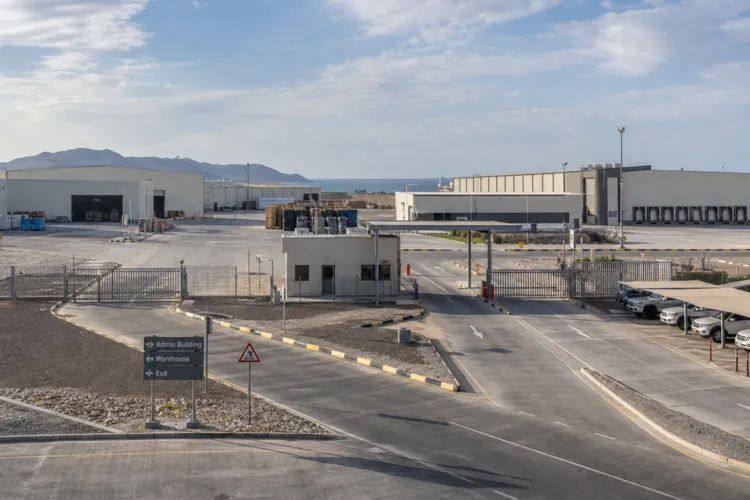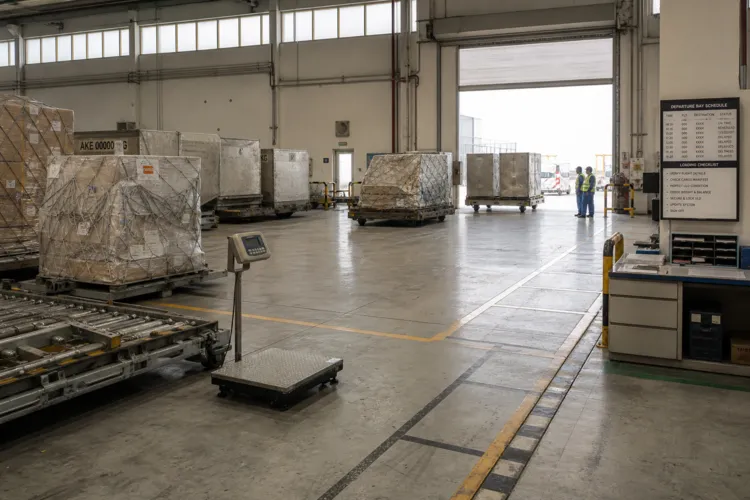
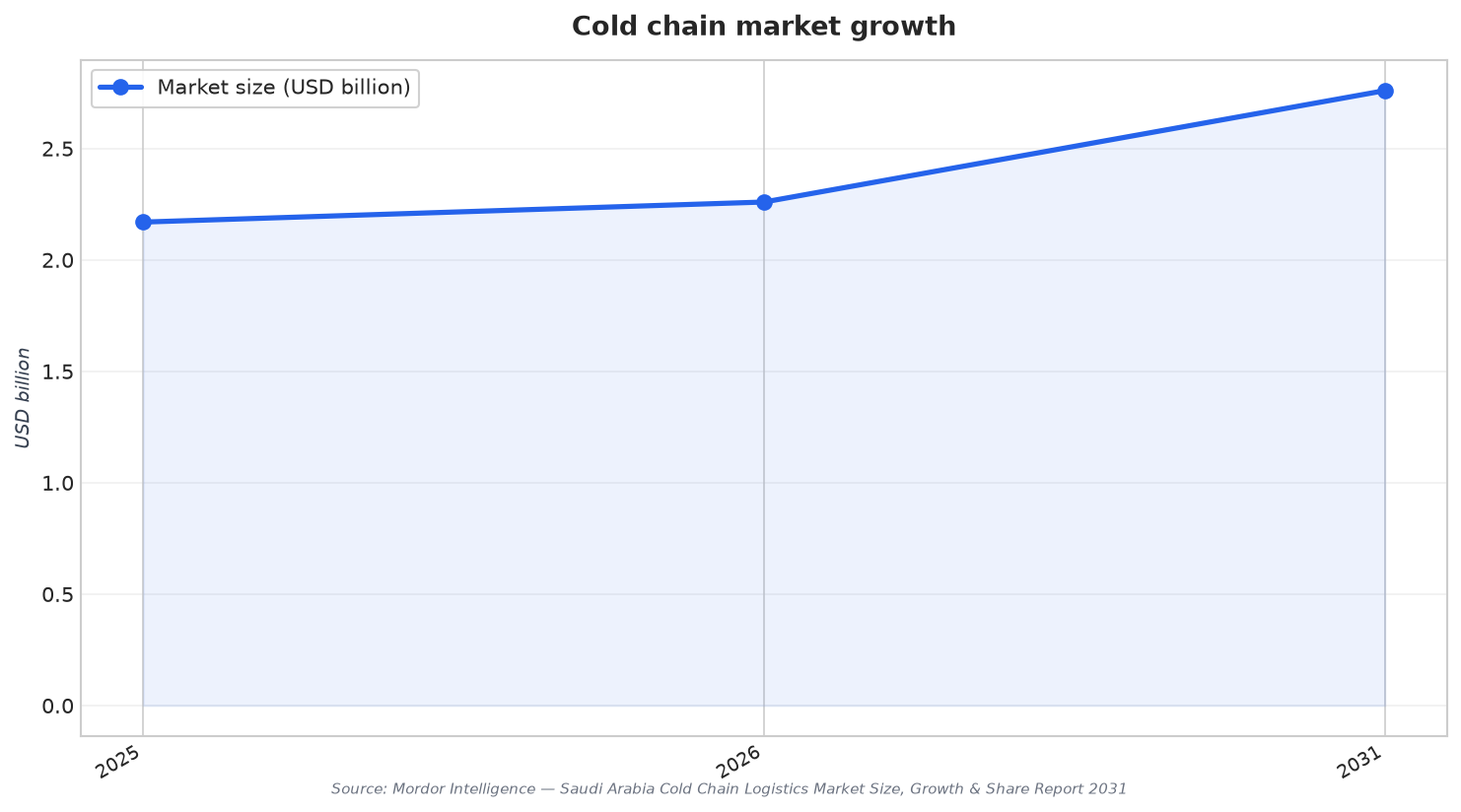
To scale Saudi date exports, exporters need a packhouse system that protects quality, then a temperature-controlled network that keeps it consistent through storage, inland moves, and port handling. That matters because the Kingdom is investing in logistics capacity and governance that can raise service reliability for temperature-sensitive cargo. Vision 2030 frames cold chain infrastructure as a cornerstone for food security, healthcare distribution, and regional trade integration. In that context, the market for Saudi Arabia’s cold chain logistics is estimated at USD 2.26 billion in 2026, up from USD 2.17 billion in 2025, and projected at USD 2.76 billion by 2031, with a 4.12% CAGR over 2026–2031.
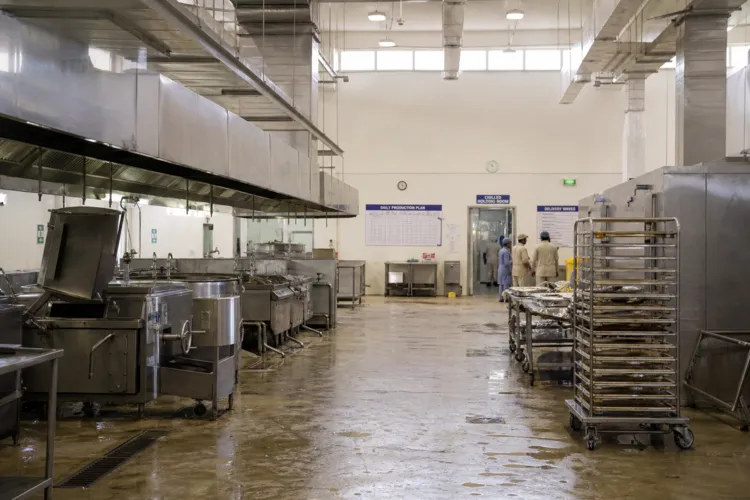
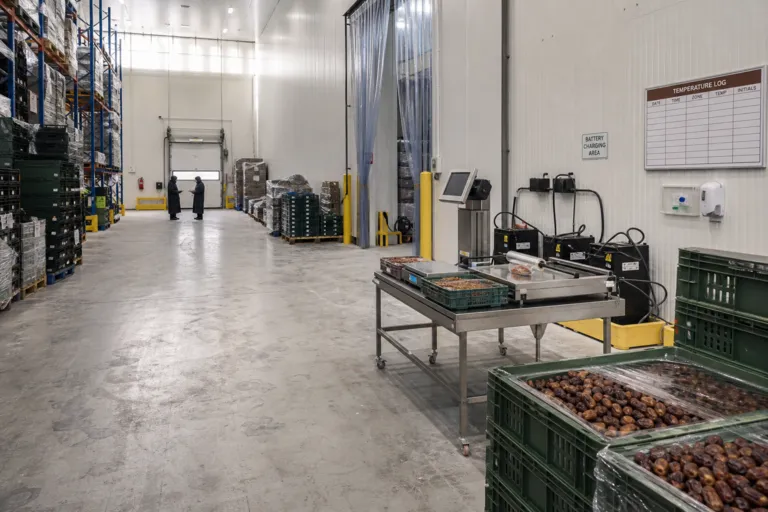
Packhouse operations sit at the center of export readiness because they determine how quickly product moves into stable storage and outbound lanes. The strongest near-term lever is aligning packhouse throughput with the biggest cold chain services already used in Saudi Arabia. Refrigerated storage led with a 46.35% share of the Saudi Arabia cold chain logistics market in 2025, and that signals where capacity and commercial focus are concentrated. Exporters can plan packhouse dispatch schedules around cold storage availability, while building value-added steps that match market direction, since value-added services are poised to grow at a 4.42% CAGR through 2031. For a Saudi dates export cold chain, the goal is simple: reduce waiting, reduce handoffs, and enter controlled storage as early as possible.
Where Smarter Cold Chain Logistics Can Unlock Export Scale
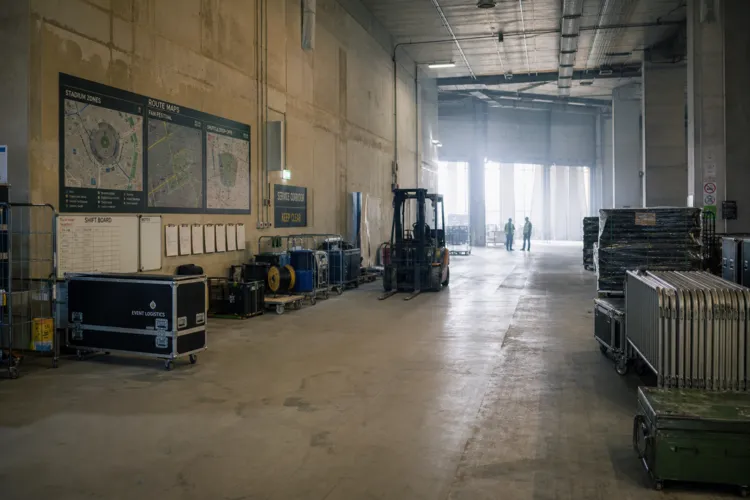
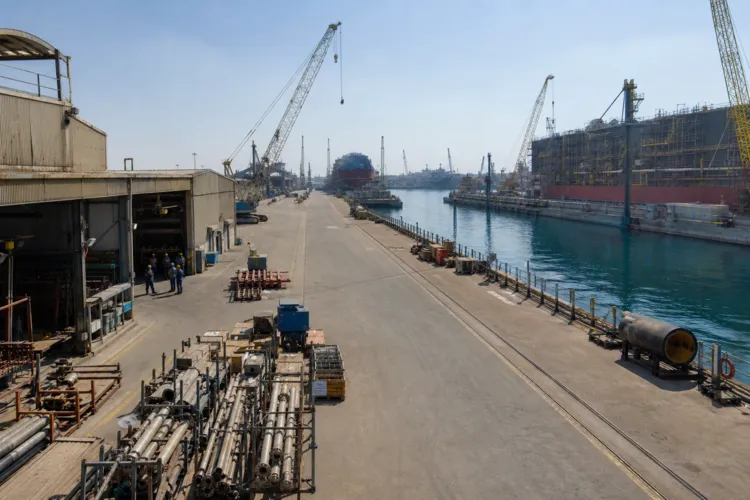
Saudi Arabia’s broader logistics buildout can support export scaling when packhouses connect into new corridors and hubs. The government has earmarked USD 133 billion for new roads, ports, airports, and 59 logistics centers spanning 100 million m² to be delivered by 2030, with 21 already in execution. These centers are planned to integrate with the Fasah customs portal, targeting import dwell times that have historically jeopardized cargo integrity. For exporters, the same system logic can support faster processing and fewer delays for outbound shipments. On long hauls, logistics corridors anchored on a 5,500 km rail network can lower long-haul costs by 15% versus road-only freight and improve service reliability for temperature-sensitive cargo.
Exporters also benefit when they select nodes where cold chain activity and industrial logistics are already clustering. By region, Makkah accounted for a 28.65% share of the Saudi Arabia cold chain logistics market size in 2025, while Riyadh is projected to post the fastest 4.15% CAGR between 2026 and 2031. The Eastern Region is also positioned as a leading segment in a separate cold chain market view, holding a 30% share in 2025, leveraging Dammam Port and industrial zones to serve halal-certified food exports throughout the Gulf region. In parallel, the Saudi Ports Authority’s SAR 1 billion logistics park at King Abdulaziz Port spans over one million square meters, strengthening Dammam’s role as a logistics anchor.
Finally, exporters should treat energy and compliance as design inputs, not afterthoughts, because both can set the ceiling for cold chain performance. SFDA regulatory tightening is stimulating specialized storage, and pilots using AI/ML-enabled energy optimization have shown a 20% reduction in refrigeration energy use, indicating a direct operating-cost advantage where technology is deployed. This matters in a country where operational expenses, including electricity costs for cold storage facilities, are described as a substantial portion of total logistics expenditures, creating profitability challenges for smaller participants. A practical playbook is to combine packhouse discipline, access to storage-led service capacity, and hub-and-corridor routing that reduces delays and protects quality end-to-end.
How big is Saudi Arabia’s cold chain logistics market, and what does it imply for exporters?
Which cold chain service type leads in Saudi Arabia today?
What Vision 2030 logistics investments are relevant to export cold chains?
How can rail corridors change the economics of a Saudi dates export cold chain?
What technology signal in the sources points to cold chain cost reductions?
Talk to us for your needs in:
- Identifying Suitable Warehouse Sites in Saudi Arabia
- Customized Logistics and Supply Chain Analytics
- Logistics Network Design and Optimization
- Green Supply Chain and Sustainable Logistics Solutions
- Supply Chain Risk Management and Compliance
- Advanced Supply Chain Resilience and Agility
- Logistics Market Research and Strategic Analysis
- In-Depth Market Survey for Logistics
- Market Intelligence and Insights in Logistics
- Feasibility Study and Assessment in Logistics
- Integrated Warehousing Management Solutions
- Smart Warehousing and Automation Systems
- Sustainable and Green Warehousing Practices
- Port and Airport Logistics Optimization
- Digital Logistics Solutions
- Saudi Logistics Benchmarking