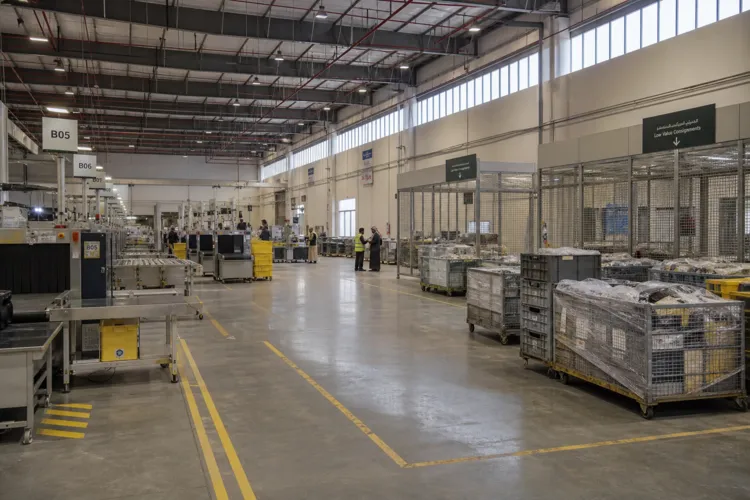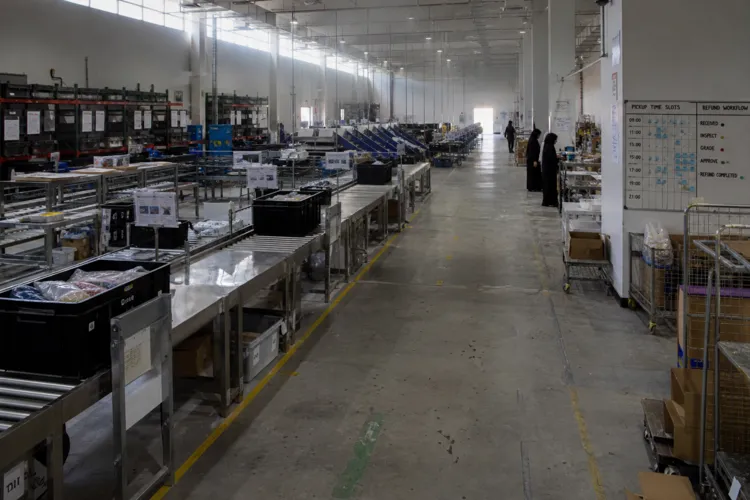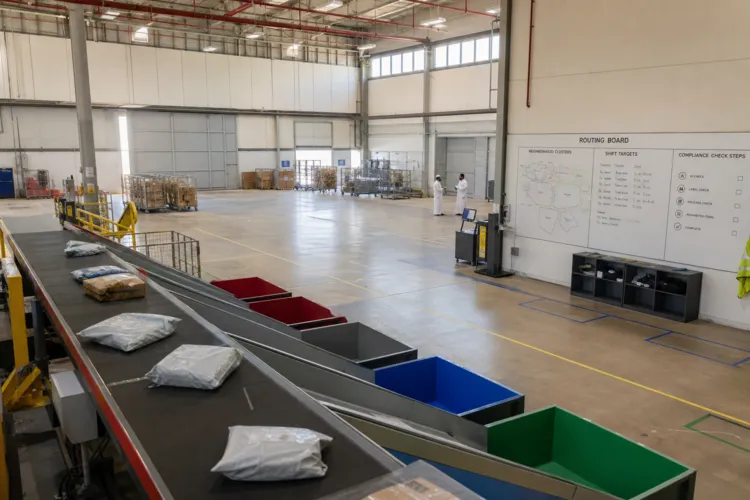
The keyword Saudi special economic zones 2026 is being searched in a business environment where Saudi Arabia is positioning itself for global trade and logistics. Seatrade Maritime describes the Kingdom as being situated at the crossroads of three continents and highlights “world-class ports.” It names King Abdullah Port and Jeddah Islamic Port as among the most advanced in the region, with state-of-the-art facilities and seamless operations. For logistics planners, this matters because SEZ frameworks are often judged by how quickly cargo can move through ports, into industrial sites, and back out to export markets.
Logistics also depends on industrial demand, and multiple sources show a push toward more complex manufacturing. Consultancy-me, citing Strategic Gears, says the Kingdom is shifting from reliance on oil toward advanced manufacturing and knowledge-intensive exports. The same report states that the Future Factories Program aims to migrate 4,000 factories to Industry 4.0 standards, bringing in AI and automation to drive efficiency. That signal is relevant to SEZ-style clusters because automation, robotics, and higher-quality production systems typically reshape inbound materials, warehouse flows, and outbound finished-goods shipping needs.
Four SEZ Frameworks for 2026: How to Read the Logistics Signals
The sources provided do not list the detailed rules of four specific frameworks, but they do show the operating themes that logistics teams should expect frameworks to reinforce. One theme is sustainability becoming operational rather than promotional. Logistics Middle East reports that industrial hubs across the Gulf are redesigning energy systems, tracking emissions, and setting measurable sustainability targets, describing sustainability planning as integrated into tenant operations. For logistics tied to any industrial zone model, this implies more attention to energy use, emissions tracking, and compliance evidence inside warehouses, yards, and transport planning.
A second theme is digital infrastructure and cloud-adjacent capacity becoming part of investment logic. Developing Telecoms notes that review attention around Saudi megaproject planning may focus on data centres. Even without specific numbers in the provided excerpt, the point matters for logistics because cloud and data-centre capacity supports routing visibility, inventory accuracy, and automation workflows that Industry 4.0 factories increasingly require. In other words, if SEZ frameworks encourage digitally enabled operations, logistics providers may need to align with higher expectations for systems integration and data availability.
A third theme is that trade and supply chains remain central to economic spillovers. Arab News reports that industrial exports are among the highest value-added activities and cites an estimate that every dinar invested generates 2.17 dinars through employment, logistics, finance, and supply-chain linkages. While that example is presented in a broader regional export context, it reinforces the logic that logistics is not a side effect: it is a direct channel for economic impact. For Saudi special economic zones 2026 positioning, that linkage is a reminder that frameworks will be judged by how effectively they create predictable, scalable supply-chain performance.
Finally, planners should keep context in view: large development timelines can shift. Hotel News Resource reports that some Vision 2030 giga-project rollouts have slowed and that Neom is undergoing revisions to its blueprint due to escalating costs and economic considerations. It also notes infrastructure investments such as the Riyadh Line 2, the Saudi Landbridge railway, and metro systems in Jeddah and Makkah. For logistics around SEZ-linked corridors, the practical takeaway is to plan for phased capacity, scenario-based ramp-ups, and contracts that can adapt as reassessments and resumptions change timing.
What does “Saudi special economic zones 2026” mean for logistics operators?
Which ports are highlighted as advanced in the region?
What is the Future Factories Program target mentioned in the sources?
How do the sources connect industrial investment to logistics value?
What project-delivery risk should logistics planners consider?
Talk to us for your needs in:
- Identifying Suitable Warehouse Sites in Saudi Arabia
- Customized Logistics and Supply Chain Analytics
- Logistics Network Design and Optimization
- Green Supply Chain and Sustainable Logistics Solutions
- Supply Chain Risk Management and Compliance
- Advanced Supply Chain Resilience and Agility
- Logistics Market Research and Strategic Analysis
- In-Depth Market Survey for Logistics
- Market Intelligence and Insights in Logistics
- Feasibility Study and Assessment in Logistics
- Integrated Warehousing Management Solutions
- Smart Warehousing and Automation Systems
- Sustainable and Green Warehousing Practices
- Port and Airport Logistics Optimization
- Digital Logistics Solutions
- Saudi Logistics Benchmarking