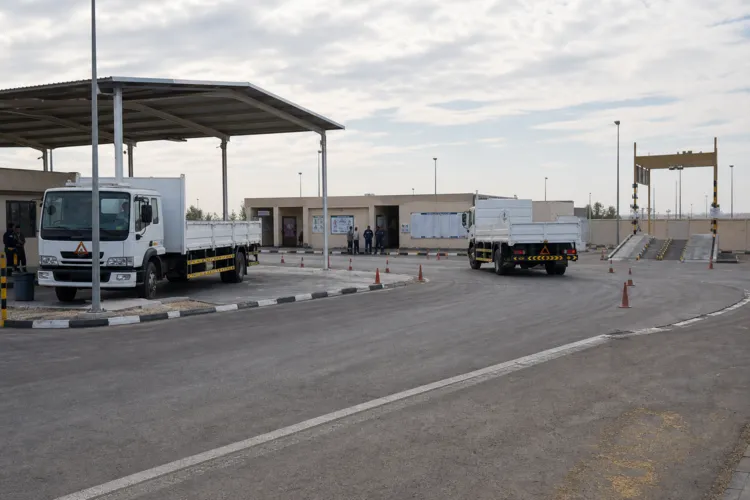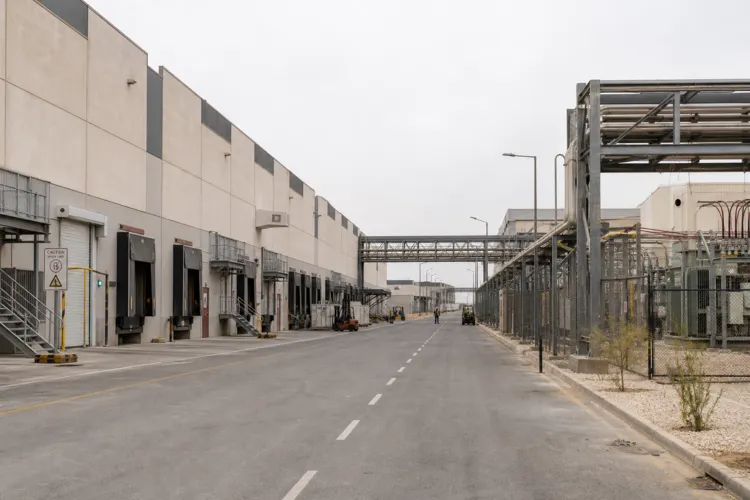
Hajj 2026 logistics operations have to keep people moving and keep perishables safe, even when congestion and extreme heat strain every link in the chain. DataSaudi reports 1,707,301 pilgrims recorded in 2026, made up of 160,646 internal pilgrims (9.6%) and 1,546,655 external pilgrims (92.4%). That mix matters for planning, because it pushes capacity onto ports of entry and last-mile distribution into Makkah and the holy sites. For external arrivals in 2026, 96.1% came by air transport, versus 3.5% by land and 0.4% by sea. With that arrival profile, aviation throughput and airport-to-city cold-chain continuity become decisive for food, drinks, and other perishables.
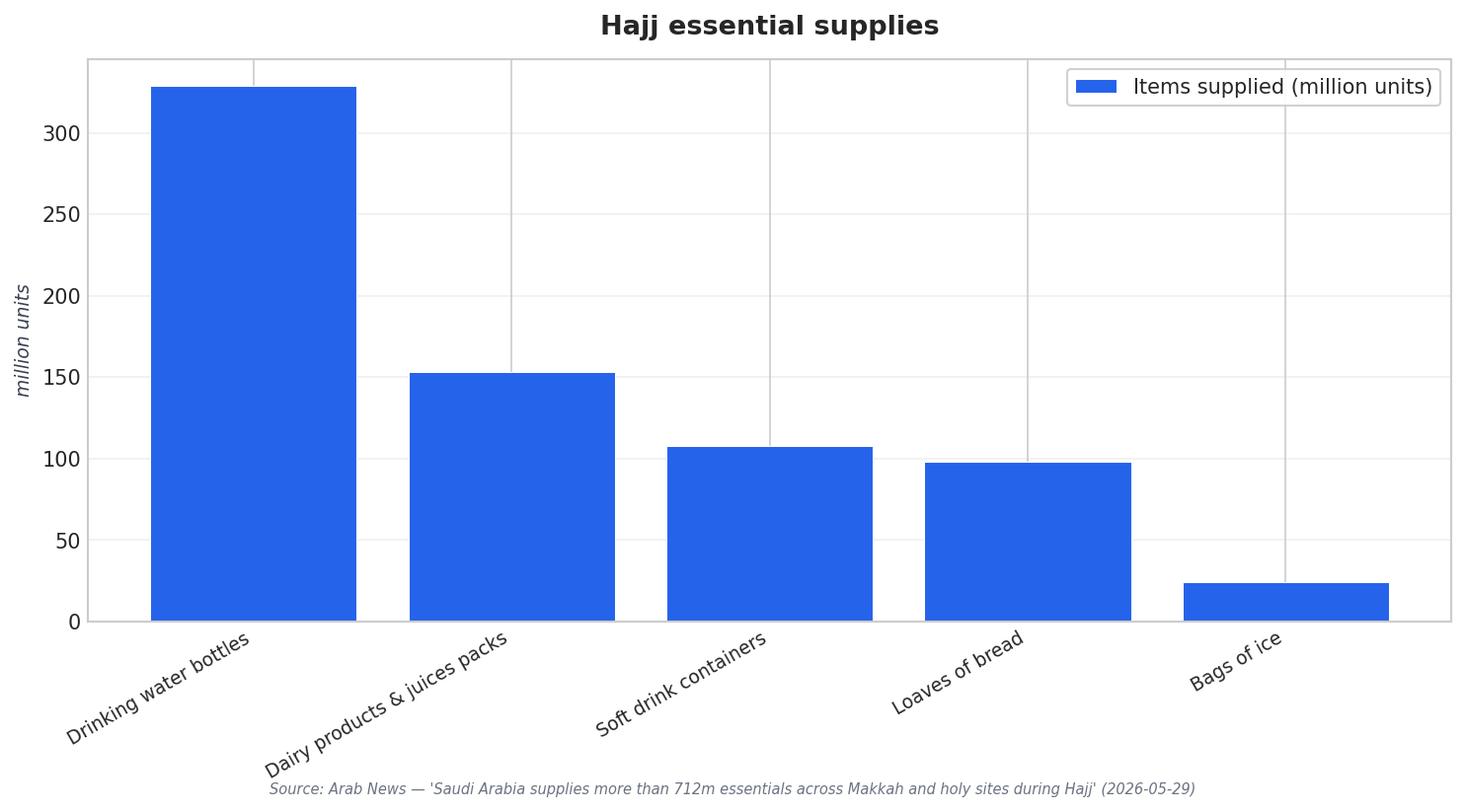
The essential-goods footprint during the Hajj season illustrates the scale that markets and supply teams must cover. Arab News reported that Saudi Arabia delivered more than 712 million essential items to markets and retail outlets in Makkah and the holy sites during this year’s Hajj season. The ministry statement broke that down into more than 328.9 million bottles of drinking water, 153 million packs of dairy products and juices, 108 million soft drink containers, more than 98 million loaves of bread, and over 24.4 million bags of ice. In parallel, the same report said authorities continued field inspection campaigns and supply monitoring across commercial establishments, markets, and retail outlets to support continuity of supply and operational preparedness.
Cold-Chain, Retail Flexibility, and Where Gaps Still Appear
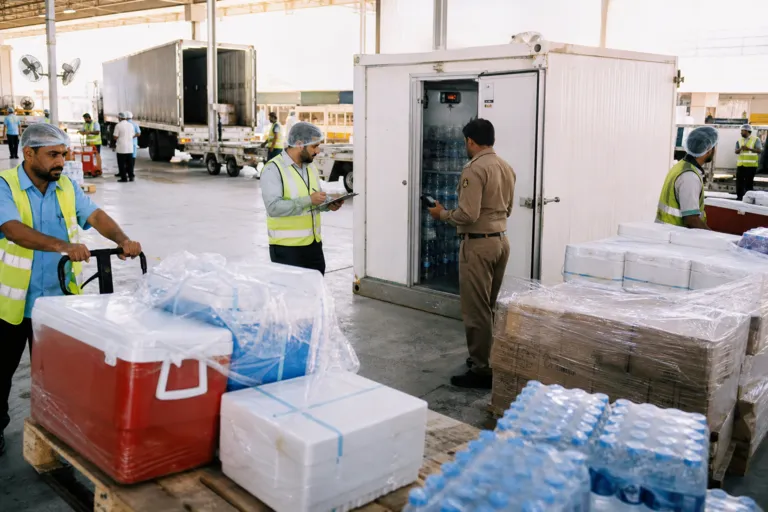
Food and beverage distribution is not only a volume challenge. It is also a temperature and timing challenge. The New Arab described how logistical pressure intensifies during the five-day Hajj pilgrimage in Mecca, with major retailers introducing flexible operating models, including temporary 24-hour stores, to keep food and ready-made meals available amid congestion and extreme heat. The same report noted that large companies have managed distribution of millions of chilled water bottles and food products using advanced cooling supply chains, but the seasonal surge also exposes logistical gaps. Analysts cited wider opportunities for local entrepreneurs, small businesses, and family-run producers to join the supply chain and fill those gaps where agility and proximity can matter most.
Meals and services add another layer of complexity because production and contract capacity must match ritual schedules and peak demand. The New Arab quoted economist Mohammed al-Nair saying the Hajj catering sector requires more than 30 million meals during the pilgrimage season, with around 280 to 300 companies competing for contracts worth billions of riyals. It also cited Saudi Central Bank data showing the food and beverage sector processed financial transactions totaling 3.7 billion SAR ($986 million) in a single week in March ahead of the Hajj season, signaling the spending intensity that supply planners must support. These figures reinforce why cold storage, replenishment frequency, and vendor coordination are operational priorities, not back-office details.
Service readiness extends beyond food, because the same supply chain corridors also support health and regulated handling needs. DataSaudi reports the pilgrim service sector had a total labor force of 236,897 people in 2022, spanning supervision, public services, health, transportation, and telecommunications services. In 2022, medical services were provided to 22,644 pilgrims, and a total of 900 medical services and pieces of equipment were provided. The same dataset reports that during Hajj season of 2022 there were 6 slaughterhouses where 443,102 animals were sacrificed, with 7,246 butchers working inside the holy sites. Together, these operational facts show why end-to-end coordination must cover people, perishables, and regulated activities, all within the same constrained geography.
How many pilgrims were recorded in 2026, and how many were external?
How did external pilgrims arrive to Makkah in 2026?
What does the essential-goods distribution during Hajj show about scale?
What operational approaches are used to keep food available under congestion and heat?
What are the main pressures shaping Hajj 2026 logistics operations for perishables?
Talk to us for your needs in:
- Identifying Suitable Warehouse Sites in Saudi Arabia
- Customized Logistics and Supply Chain Analytics
- Logistics Network Design and Optimization
- Green Supply Chain and Sustainable Logistics Solutions
- Supply Chain Risk Management and Compliance
- Advanced Supply Chain Resilience and Agility
- Logistics Market Research and Strategic Analysis
- In-Depth Market Survey for Logistics
- Market Intelligence and Insights in Logistics
- Feasibility Study and Assessment in Logistics
- Integrated Warehousing Management Solutions
- Smart Warehousing and Automation Systems
- Sustainable and Green Warehousing Practices
- Port and Airport Logistics Optimization
- Digital Logistics Solutions
- Saudi Logistics Benchmarking