Saudi Arabia is becoming a higher-stakes destination for international parcels. In 2024, transaction value was estimated at SAR 90–100 billion (USD 24–27 billion), with forecasts placing 2027 at SAR 130–150 billion. For 2025, B2C online retail is estimated at roughly USD 16–20 billion, while broader digital commerce is put at about USD 27–31 billion when services and B2B channels are included. As online volumes rise, practical compliance details matter more, including how platforms interpret and operationalize Saudi low value shipments customs requirements for small parcels that must clear quickly and predictably.
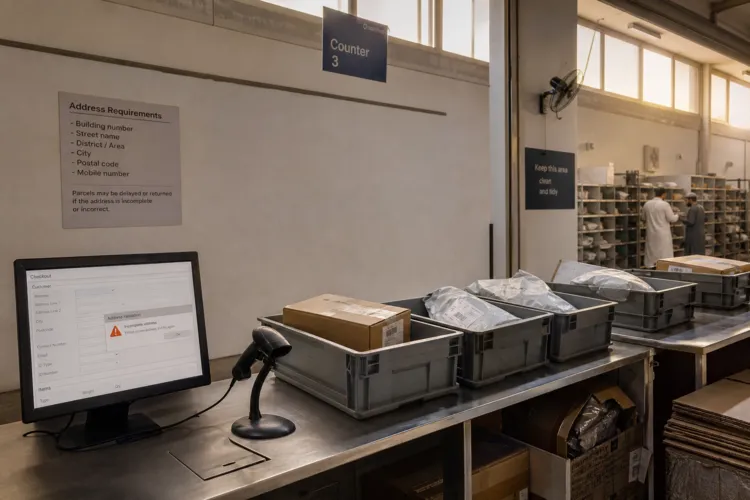
Customs simplification is one of the key signals for cross-border sellers. Ken Research notes that the Ministry of Commerce’s E-Commerce Law (2023) requires platforms to obtain a commercial register, adhere to data protection standards under the Personal Data Protection Law, and comply with customs thresholds up to SAR 6,000 per shipment for simplified clearance. That shipment-value threshold shapes catalog strategy, basket sizing, and shipping options for marketplaces that serve Saudi customers. The same source values the Saudi Arabia cross-border import e-commerce market at USD 5 billion and links growth to approximately 99% internet penetration and around 38 million active internet users, reinforcing why cross-border delivery performance is now central to customer experience.
What Changes Next: Bonded Hubs, Faster Release, and More Competition
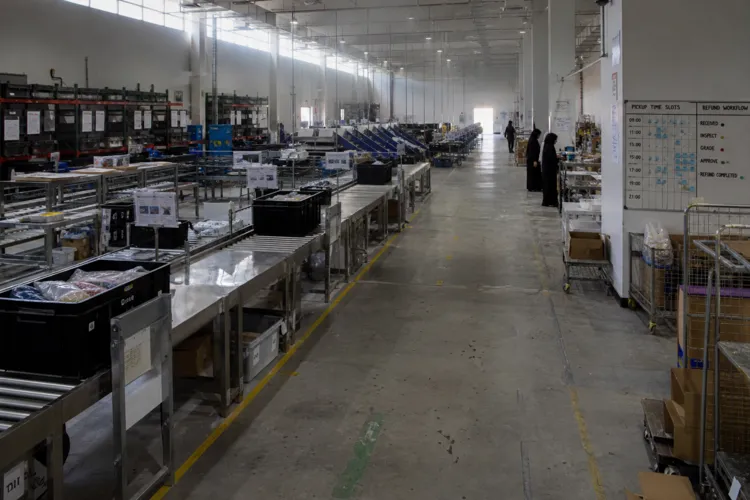
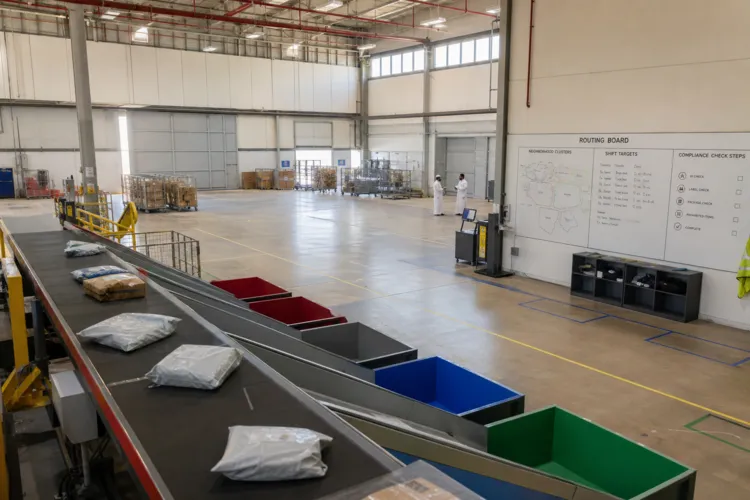
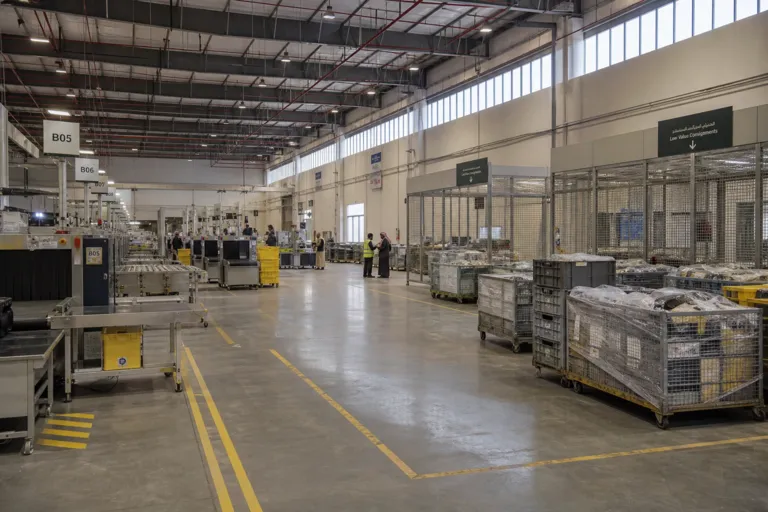
Logistics infrastructure is being positioned as a clearance and speed advantage, not just a transport function. Mordor Intelligence describes rapid scale-up of bonded-zone e-commerce fulfillment centers, including the Special Integrated Logistics Zone at King Khalid International Airport, spanning 32 million ft², offering duty-deferred storage and automated clearance. The same source says average e-parcel customs release times have been reduced to below two hours. It also notes similar bonded nodes near King Salman International Airport that create a China–KSA gateway channeling 20.9% of Saudi inbound trade. These models can support tighter delivery promises while keeping duty exposure aligned with actual fulfilled quantities.
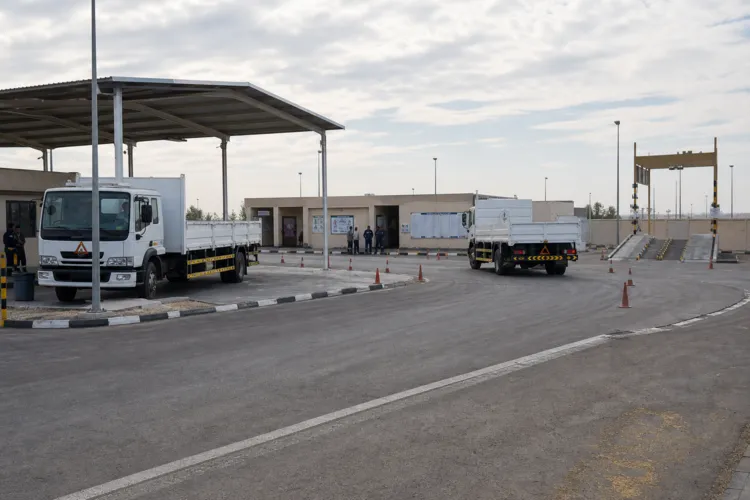
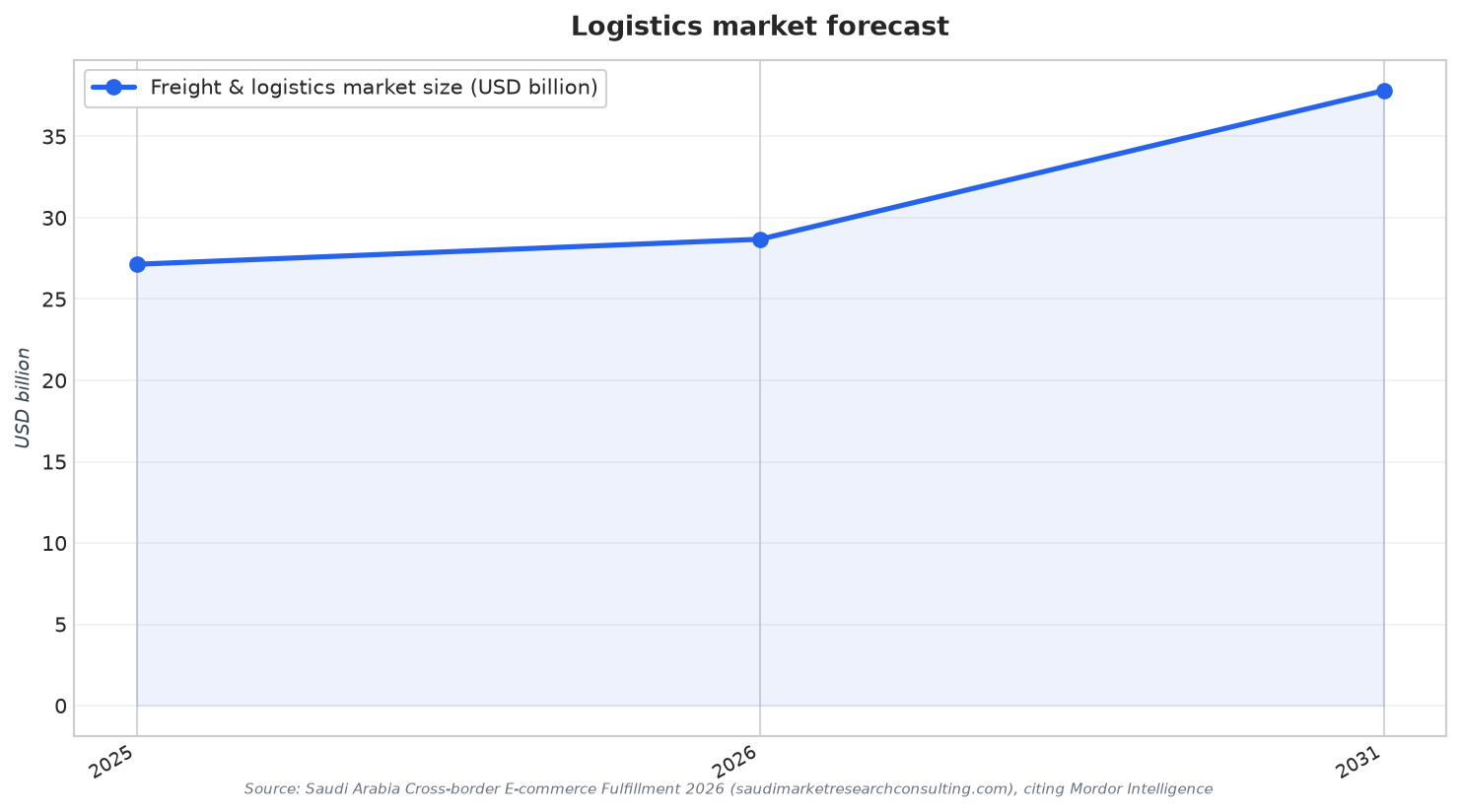
Freight and parcel networks are also evolving in ways that affect cross-border reliability. Mordor Intelligence values the Saudi Arabia freight and logistics market at USD 27.14 billion in 2025, estimating USD 28.68 billion in 2026 and forecasting USD 37.82 billion by 2031, with a 2026–2031 CAGR of 5.69%. In 2025, freight transport held 58.92% share, while Courier, Express, and Parcel (CEP) services are forecast to advance at a 6.45% CAGR from 2026 to 2031. On the competitive side, regulatory liberalization permitting international operators to serve domestic line-haul lanes is highlighted, and DSV’s 29-facility network is cited as handling 6% of Saudi import volumes, indicating how scale and visibility can win time-sensitive flows.
For sellers planning the next phase of cross-border e-commerce into Saudi Arabia, the direction is clear: more volume, more automation, and more rule-driven execution. In the Saudi Arabia e-commerce logistics market, domestic flows represented 81.14% of revenue in 2025, yet cross-border shipments are expected to grow at a 13.90% CAGR from 2026 to 2031. Transportation captured 62.75% share in 2025, supported by a 50,000-km highway grid and rising air-cargo frequencies; FedEx introduced six weekly Boeing 777 freighters to Riyadh in September 2025 to accelerate cross-border parcel flows. Globally, the World Trade Organization notes that over 120 countries apply different de minimis thresholds, varying from $200 in the U.S. to €22 in the EU, so Saudi-specific thresholds and documentation discipline will remain a practical differentiator for international brands and platforms.
What shipment value can qualify for simplified customs clearance in Saudi Arabia?
How do bonded zones change cross-border parcel performance into Saudi Arabia?
How fast are cross-border shipments expected to grow in Saudi Arabia’s e-commerce logistics market?
What should sellers watch most closely in Saudi low-value shipments customs compliance?
Why is CEP capacity becoming more important for cross-border e-commerce in Saudi Arabia?
Talk to us for your needs in:
- Identifying Suitable Warehouse Sites in Saudi Arabia
- Customized Logistics and Supply Chain Analytics
- Logistics Network Design and Optimization
- Green Supply Chain and Sustainable Logistics Solutions
- Supply Chain Risk Management and Compliance
- Advanced Supply Chain Resilience and Agility
- Logistics Market Research and Strategic Analysis
- In-Depth Market Survey for Logistics
- Market Intelligence and Insights in Logistics
- Feasibility Study and Assessment in Logistics
- Integrated Warehousing Management Solutions
- Smart Warehousing and Automation Systems
- Sustainable and Green Warehousing Practices
- Port and Airport Logistics Optimization
- Digital Logistics Solutions
- Saudi Logistics Benchmarking