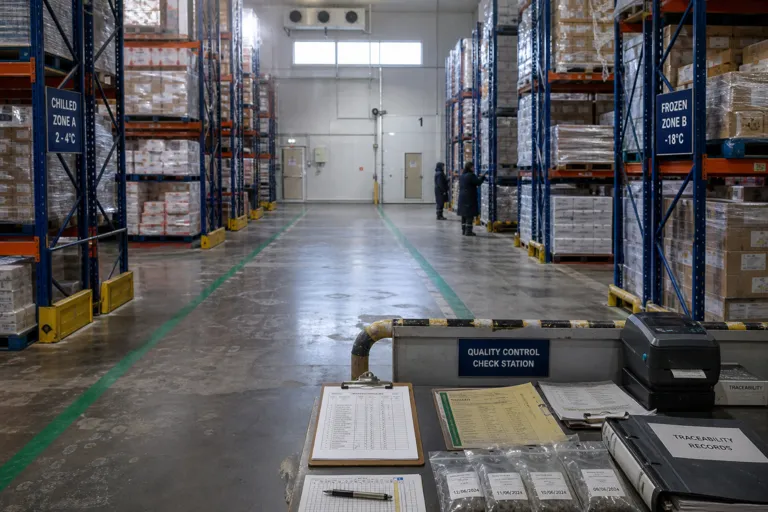
Saudi halal logistics certification starts with a simple operational truth: halal logistics is supply chain management aligned with Shariah, and it imposes stricter requirements than conventional logistics. The core expectation is segregation from haram substances at every stage to prevent cross-contamination. That means halal food cannot share facilities or equipment with pork, alcohol, or other haram items. In practice, companies may need dedicated storage areas, exclusive utensils and handling equipment, and sanitation protocols that go beyond basic cleaning routines. For importers, the risk is not theoretical. If a halal product is stored or transported alongside haram goods without proper barriers, a break in the chain can cause the product to lose its halal status.
In Saudi Arabia, halal requirements are tied to broader import controls. SFDA oversees the registration, inspection, and clearance of imported food products and coordinates with other government agencies to ensure compliance with applicable Saudi and GCC regulations. Imported food products must comply with relevant GSO standards, including requirements related to food safety and halal certification. For businesses entering Saudi Arabia, GSO 2055-2 is framed as a key standard that establishes requirements for halal certification bodies and halal conformity assessment processes across GCC countries. It also reflects how certification bodies may evaluate more than prohibited ingredients, including ingredient sourcing, supplier controls, traceability systems, production practices, documentation accuracy, and overall compliance management.
Segregation Controls Importers Must Prove Across Logistics
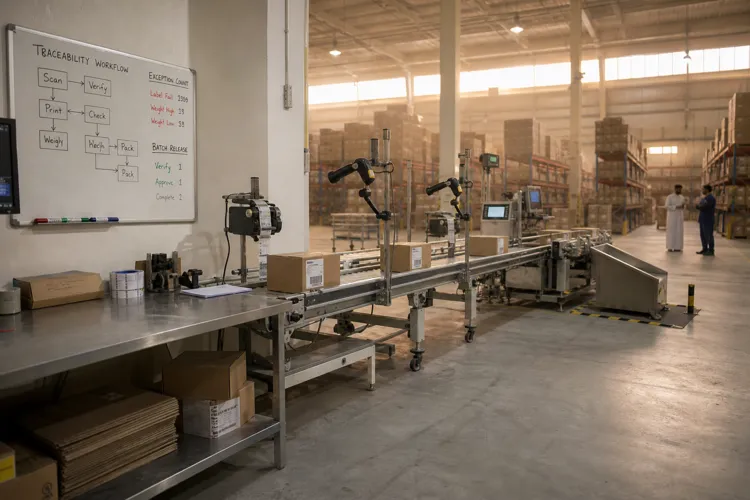
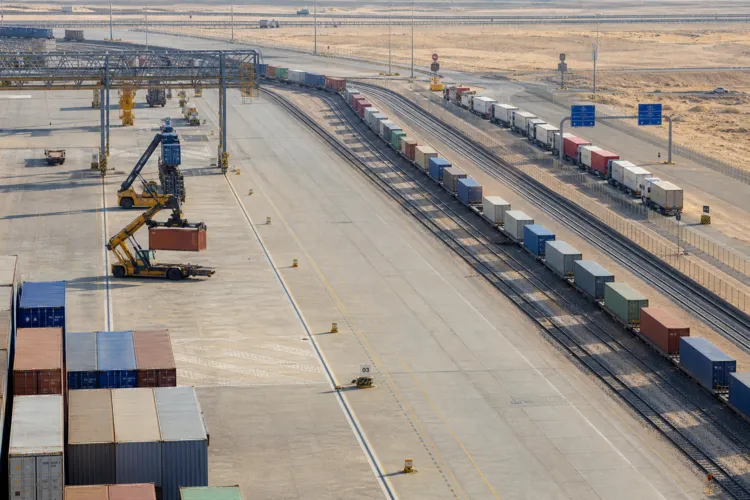
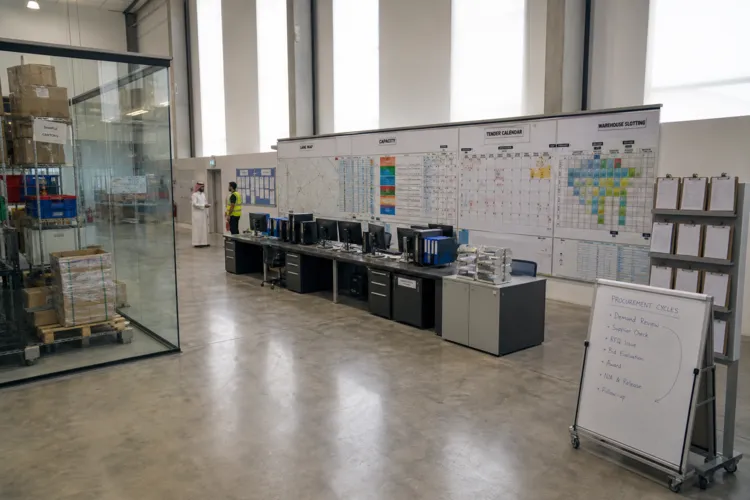
Segregation is not only a warehouse issue. Sources describe halal supply chains as tracking the entire journey from the manufacturer to the end consumer, generating halal certification papers and labels at each stage. This is where logistics discipline matters most for food importers that rely on third-party warehouses, consolidators, and carriers. Companies seeking halal logistics certification are expected to demonstrate end-to-end compliance across warehousing, transportation, and distribution networks. Protocols include dedicated halal storage zones, clear product segregation, and documented handling rules. Regular audits are used to confirm continued adherence, with inspections covering the cleanliness and condition of warehouses and shipping containers.
Audit readiness in Saudi Arabia also sits alongside other market entry workstreams. One source stresses that halal certification and SFDA compliance are separate but interconnected processes, and that products may face delays due to labeling issues, product classification concerns, shelf-life compliance problems, documentation inconsistencies, and customs clearance requirements. Another notes that the Saudi Halal Center operates under the SFDA, provides certification services, and maintains information about recognized external halal certification bodies. Requirements depend on product category, and halal slaughter certification is identified as currently mandatory for imported shipments of meat, poultry, and their products entering Saudi Arabia.
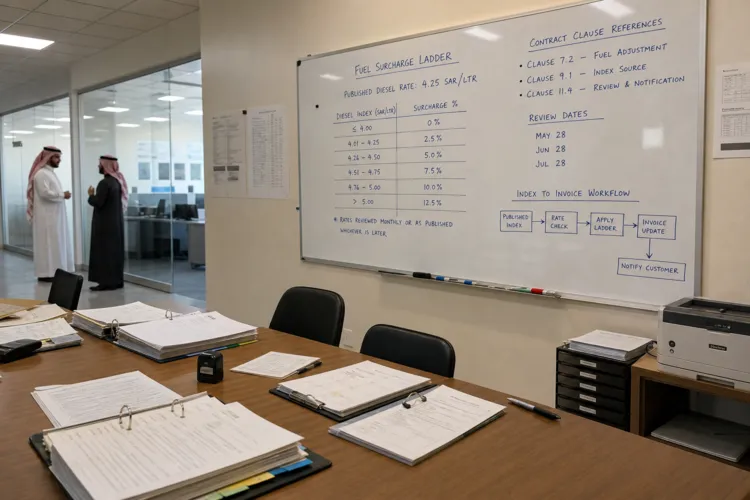
Documentation is the control surface that ties segregation and audits together. Halal logistics requires maintaining detailed records and halal certificates for products, ingredients, and processes to prove compliance at every step. Compared with conventional batch tracking for quality or recall, halal supply chains are described as documenting the full chain-of-custody from manufacturer to consumer. Importers should treat this as a continuous system, not a one-time submission. The scale of the compliance opportunity is also significant: one source reports Saudi Arabia’s halal food imports reached $18.7 billion in 2023 and states that over 85% of food products sold in the UAE and Saudi Arabia require halal certification. Documentation requirements still vary by product category, so planning should be specific to each SKU and its supply chain.
What does Saudi halal logistics certification focus on beyond ingredients?
What segregation is expected in halal logistics handling?
Who oversees imported food registration and clearance in Saudi Arabia?
When is halal slaughter certification mandatory for imports into Saudi Arabia?
Why can documentation issues delay Saudi market entry even with halal papers?
Talk to us for your needs in:
- Identifying Suitable Warehouse Sites in Saudi Arabia
- Customized Logistics and Supply Chain Analytics
- Logistics Network Design and Optimization
- Green Supply Chain and Sustainable Logistics Solutions
- Supply Chain Risk Management and Compliance
- Advanced Supply Chain Resilience and Agility
- Logistics Market Research and Strategic Analysis
- In-Depth Market Survey for Logistics
- Market Intelligence and Insights in Logistics
- Feasibility Study and Assessment in Logistics
- Integrated Warehousing Management Solutions
- Smart Warehousing and Automation Systems
- Sustainable and Green Warehousing Practices
- Port and Airport Logistics Optimization
- Digital Logistics Solutions
- Saudi Logistics Benchmarking