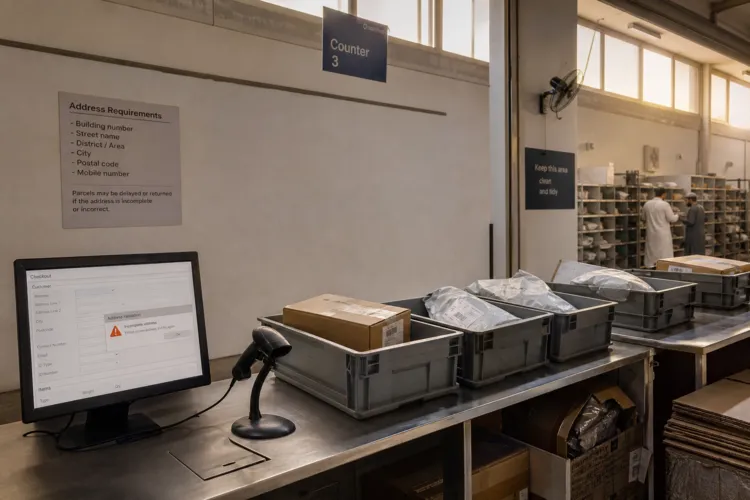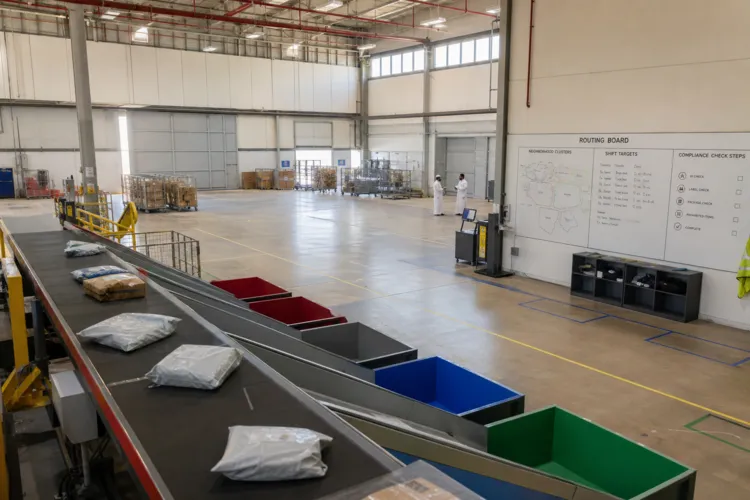
In Saudi Arabia, the returns journey is moving from an operational afterthought to a core promise that shoppers judge brands by. That is why Saudi e-commerce returns reverse logistics is increasingly treated as a strategic system that must connect customer communications, pickup orchestration, warehousing, and refund initiation. In parallel, the broader Saudi Arabia reverse logistics market is projected to rise from USD 12,074.64 billion in 2024 to USD 16,991.78 billion by 2032, with a 5.93% CAGR over 2025–2032. Those projections highlight why investment is shifting toward processes that can recover value through refunds, repairs, refurbishment, recycling, or resale while protecting customer satisfaction.
The commercial pressure is also visible in forward logistics growth, because returns ride on the same networks. Saudi Arabia’s e-commerce logistics market is expected to grow from USD 2.20 billion in 2025 to USD 2.38 billion in 2026, and reach USD 3.66 billion by 2031, with an 8.96% CAGR over 2026–2031. Transportation led that market with 62.75% share in 2025, while domestic flows accounted for 81.14% in the same year. As operators add speed and coverage, returns costs remain a stated constraint, making it harder for brands to offer easy policies without a disciplined reverse flow that controls handling time, route density, and processing accuracy.
Why Return Policies and Pickup Speed Now Decide Winners
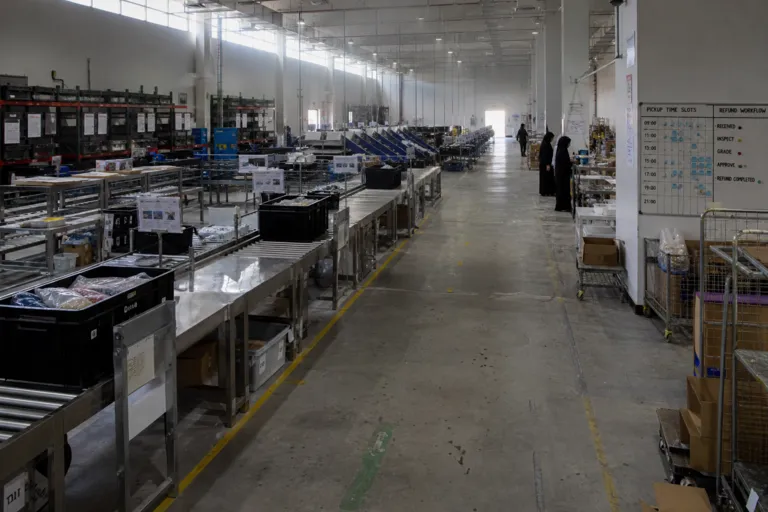
Policy design is becoming as important as last-mile execution. In the Saudi Arabia reverse logistics market, the “Return Policy And Procedure (RPP)” component was the largest segment in 2024, with revenue of USD 7,256.19 billion. That aligns with what shoppers demand: easy authorization, clear instructions, and faster money-back decisions. In practical terms, a structured process in 2026 is described as customer-initiated return requests via app or WhatsApp, scheduled pickup from the customer’s door within 24–48 hours, and immediate digital confirmation and refund initiation. This approach reframes returns from “friction” into a service feature that can retain customers even when the original purchase does not work out.
E-commerce is also singled out as a growth engine inside the reverse logistics ecosystem. In Saudi Arabia’s reverse logistics market segmentation, the E-Commerce end-user segment is described as the fastest growing, with a 7.21% CAGR from 2024 to 2032. Globally, rising return rates intensify the stakes: one analysis notes e-commerce return rates of 20–40%, creating reverse logistics volumes proportional to forward fulfilment at the same facilities. While that 20–40% range is not stated as Saudi-specific, it illustrates why Saudi operators are investing in capabilities such as real-time tracking dashboards, AI-powered analytics, and automated sorting systems to reduce handling errors and shorten return cycles.
The battleground is ultimately about orchestration across the customer experience and the physical network. Mordor Intelligence points to momentum from Vision 2030 reforms and SAR 280 billion (USD 74.6 billion) of logistics infrastructure commitments, alongside a National Transport and Logistics Strategy positioning the Kingdom as a tri-continental trade bridge. At the same time, the report flags reverse-logistics costs as a tempering factor even as innovation expands, including value-added services projected to grow at a 10.80% CAGR from 2026–2031. For e-commerce brands, the message is clear: winning returns means tightening return authorization rules, improving pickup reliability, and turning reverse flows into a measurable capability, not a reactive clean-up task.
How is Saudi e-commerce returns reverse logistics becoming a competitive battleground?
What is the projected growth of Saudi Arabia’s reverse logistics market?
Which reverse logistics component was largest in Saudi Arabia in 2024?
What pickup and refund timeline is described for a structured returns process in 2026?
How fast is Saudi Arabia’s e-commerce logistics market expected to expand?
Talk to us for your needs in:
- Identifying Suitable Warehouse Sites in Saudi Arabia
- Customized Logistics and Supply Chain Analytics
- Logistics Network Design and Optimization
- Green Supply Chain and Sustainable Logistics Solutions
- Supply Chain Risk Management and Compliance
- Advanced Supply Chain Resilience and Agility
- Logistics Market Research and Strategic Analysis
- In-Depth Market Survey for Logistics
- Market Intelligence and Insights in Logistics
- Feasibility Study and Assessment in Logistics
- Integrated Warehousing Management Solutions
- Smart Warehousing and Automation Systems
- Sustainable and Green Warehousing Practices
- Port and Airport Logistics Optimization
- Digital Logistics Solutions
- Saudi Logistics Benchmarking