The 2026 shift toward a Red Sea restart is less a clean “back to normal” and more a messy reset that will ripple into Saudi inbound and re-export flows. One major carrier alliance announced a full return to Suez Canal transits on May 1, 2026 for Asia-Europe and US East Coast strings, but the transition creates new synchronization problems after two years of Cape of Good Hope diversions. Zencargo notes that the Cape diversion added roughly 10 to 15 days to Asia-Europe voyages, and that going back through Suez can cut between 14 and 21 days off transit time for Asia cargo into Europe. Those big timetable shifts matter for Saudi-linked supply chains because sailing patterns and equipment repositioning can change the timing of feeder connections, storage needs, and peak-day pressure at regional transshipment nodes.
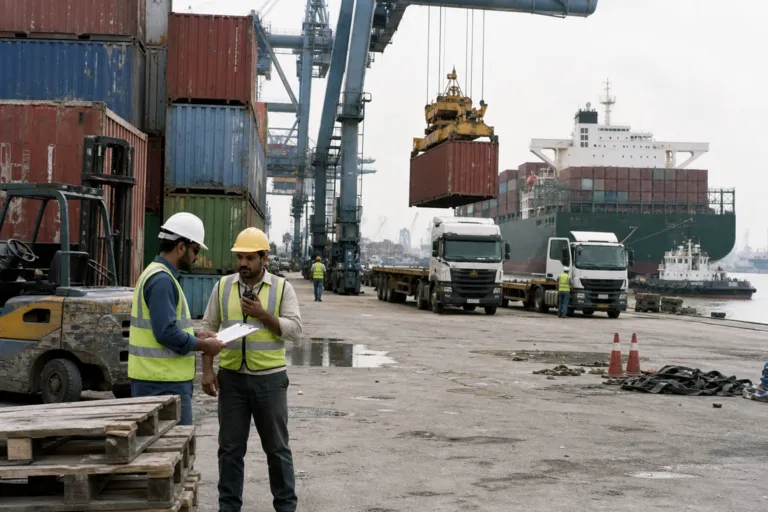
For Saudi transshipment and Saudi-bound hardware, the hub reality in the sources stays clear: Jebel Ali remains the primary transshipment point for IT hardware across the Middle East, East Africa, and South Asia, and most hardware entering the UAE, Saudi Arabia, and surrounding markets moves through Jebel Ali. Carra Globe also reports that Jebel Ali Port is experiencing congestion from vessels that diverted after the Strait of Hormuz closure. In other words, even if the Red Sea is “working most days,” Saudi importers can still feel knock-on delays through the Gulf’s dominant relay port. This is where the “Suez Canal reopening Saudi transshipment” story becomes practical: routing decisions upstream can still translate into dwell time and missed connections downstream if the primary regional hub is constrained.
Why 2026 Reopening Signals Can Still Create New Bottlenecks
Shorter routes can paradoxically trigger congestion shocks. Import Intelligence | Cubic describes a “Big Bang” congestion effect at North Europe ports, driven by schedule synchronization failures as vessels converge. It reports a surge of 2.5 million TEU hitting North Europe gateways in the same 14-day window, with Rotterdam berth waiting times spiking from 18 hours to 92 hours in the first two weeks of May, and Antwerp reporting a 400% increase in yard density. While those figures are Europe-specific, the mechanism matters for Saudi-linked transshipment because global liner networks are connected: if mainline services bunch up at destination ports, carriers can adjust rotations, blank sailings, and equipment availability, which can change feeder reliability into the Gulf and the timing of cargo rolling through regional hubs.
Risk also remains uneven across corridors, which affects how confident carriers and insurers will be in sustaining Red Sea routings. The Middle East Insider says the Suez Canal is moving traffic again as of April 2026 and container rates have normalised, even if not fully, but war-risk insurance is still priced higher than it should be and the Red Sea works most days, never quite the way it did in 2022. Carra Globe adds that Houthi forces resumed attacks on commercial vessels in the Red Sea on February 28, 2026, and that Suez Canal transits that were recovering toward 120 vessel passages per month dropped sharply again. It also notes the Suez Canal Authority confirmed passage of an ultra-large containership through the Red Sea as a cautious normalisation signal. For Saudi shippers, that mix of “movement” plus residual risk supports a planning posture built for false starts, not a single flip back to stability.
Saudi transshipment planning in 2026 should be anchored in flexibility rather than a single-route assumption. Trans.info, citing Xeneta, warns a return of container ships to the Red Sea in 2026 could release huge capacity and push rates down, and references analysis on how up to 2.1 million TEU could flood Europe if the Suez route re-opens. Zencargo also notes a phased approach is likely, with carriers testing eastbound sailings first and pointing to tentative moves by CMA CGM. Meanwhile, Discovery Alert states Suez Canal throughput remains structurally below pre-crisis levels and that transit fee discounts have failed to reverse traffic migration. Put together, the best implication for Saudi-linked cargo is to expect a fragmented market: some strings shorten, some stay long, and transshipment nodes like Jebel Ali can see volatile surges as networks try to rebalance.
What does the 2026 Suez Canal reopening mean for Saudi transshipment planning?
How much time can Suez routing save versus the Cape of Good Hope detour?
Which hub handles most IT hardware transshipment for Saudi Arabia in the sources?
What kind of congestion risk can a rapid route shift create?
Are Red Sea conditions described as fully normal in 2026?
Talk to us for your needs in:
- Identifying Suitable Warehouse Sites in Saudi Arabia
- Customized Logistics and Supply Chain Analytics
- Logistics Network Design and Optimization
- Green Supply Chain and Sustainable Logistics Solutions
- Supply Chain Risk Management and Compliance
- Advanced Supply Chain Resilience and Agility
- Logistics Market Research and Strategic Analysis
- In-Depth Market Survey for Logistics
- Market Intelligence and Insights in Logistics
- Feasibility Study and Assessment in Logistics
- Integrated Warehousing Management Solutions
- Smart Warehousing and Automation Systems
- Sustainable and Green Warehousing Practices
- Port and Airport Logistics Optimization
- Digital Logistics Solutions
- Saudi Logistics Benchmarking