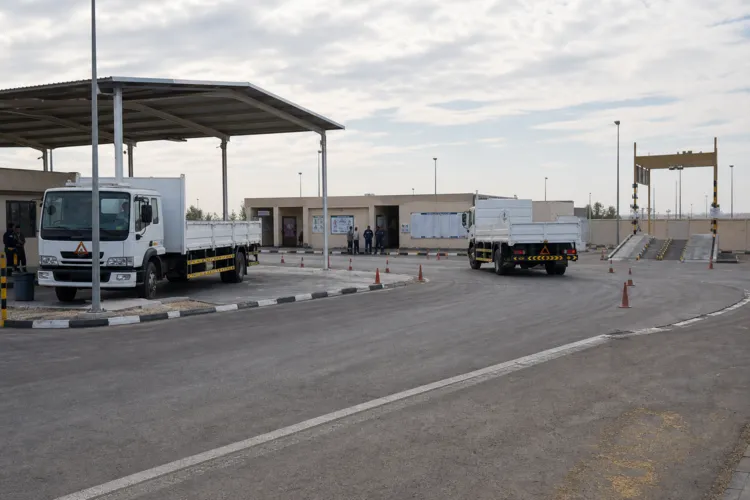
Saudi Arabia Railways (SAR) has launched five new freight logistics corridors to boost supply chain efficiency and raise integration across transport modes. Arab News reports the move is designed to support regional and international trade, align with the National Transport and Logistics Strategy, and advance Saudi Vision 2030’s goal of positioning the Kingdom as a global logistics hub amid rapid changes in global supply chains. SAR’s CEO Bashar Al-Malik described the corridors as an integrated package of logistics solutions that enhance reliability under varying conditions, built on coordination between transport modes and relevant authorities to improve cargo flow fluidity and logistics operations efficiency.
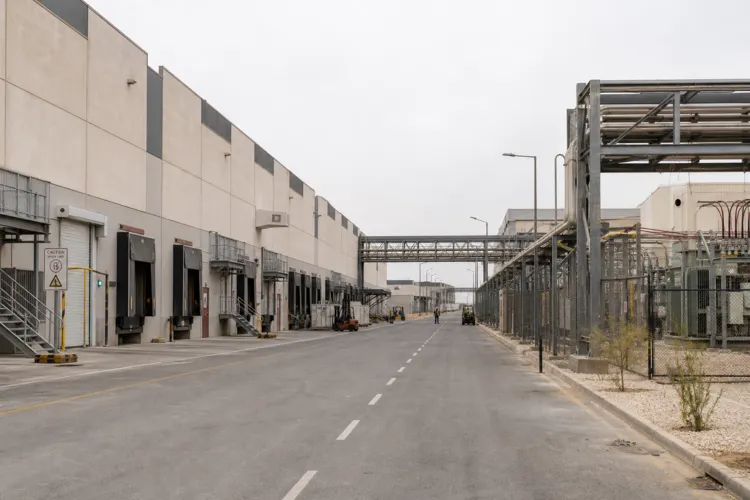
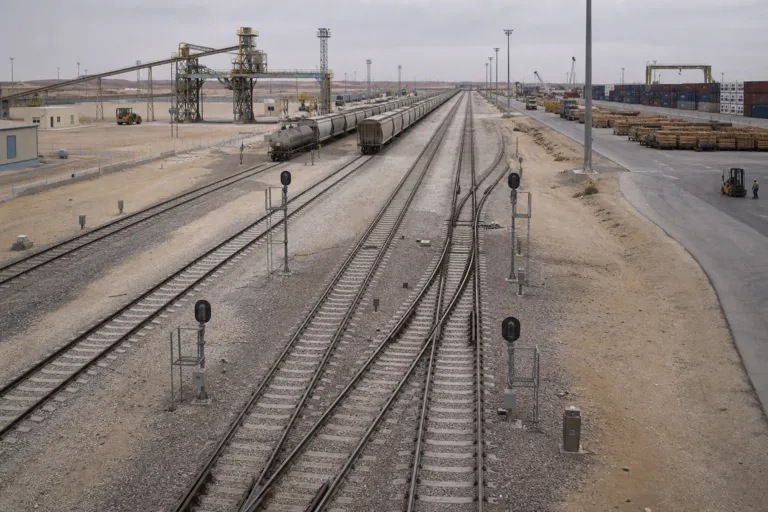
Operationally, the corridors are managed through an integrated system anchored by the Riyadh Dry Port and multiple SAR freight yards and stations. Arab News and a separate corridor overview cite Dammam and Jubail, plus Ras Al-Khair, Al-Kharj, Hail, and Qurayyat (also referenced as Al Qurayyat), as key nodes in the network. The goal is connectivity: linking Arabian Gulf ports with central and northern Saudi Arabia, extending to Red Sea ports and the Kingdom’s northern regions via a multi-modal road-and-rail network. This design is positioned to improve cargo flow efficiency across routes while strengthening links between ports and domestic and international industrial and economic hubs.
Five Corridors, One Network for Mining and Petrochemicals
The corridor structure highlights where the freight reshuffle is expected to matter most for minerals and petrochemicals. The Eastern Corridor links Dammam with Riyadh, described as a dedicated lane for petrochemicals and containerised goods central to the Kingdom’s export economy. A Red Sea Corridor connects Jeddah directly to Riyadh to provide a more reliable option for western-coast trade flows. A Southern Corridor extends to Jazan Economic City, channelling agricultural produce, minerals, and manufactured goods toward central Saudi Arabia. A Northern Corridor runs from Tabuk to Riyadh to facilitate movement of minerals and raw materials from the north and support trade with markets across the Middle East. A Western Corridor connects Mecca and Jeddah to improve goods movement between two commercially significant cities.
Beyond domestic links, the new routes are framed as corridors that connect Gulf gateways to inland logistics spines, then onward to Red Sea ports and northern neighboring markets. Enterprise AM notes these routes are expected to cut transit times, reduce truck traffic on Saudi roads, and support national supply chains across sectors including petrochemicals and mining. It also links the rollout to the Logistics Corridors Initiative launched in mid-March, which connects Red Sea ports to overland routes serving GCC markets, and describes the setup as enabling Asia-Europe cargo to move via inland corridors. In this context, references to the SAR five new logistics routes underline a push for rail-enabled, multi-modal options that keep cargo moving across shifting regional conditions.
Several published figures add detail on the scale and supporting infrastructure around the corridor strategy. A June 2026 press release states private-sector transport and logistics investments have surpassed SAR 280 billion (USD 74.6 billion) and that the sector’s contribution to national GDP has reached approximately 6.2%. The same source says that in April 2026 SAR launched five new freight logistics corridors spanning more than 2,500 kilometers, connecting major gateways including Jeddah Islamic Port, King Abdulaziz Port in Dammam, and King Abdullah Port with inland dry ports, industrial cities, logistics hubs, and neighboring GCC markets. Separately, Mordor Intelligence notes Riyadh’s inland clearance complex has 950,000 TEUs capacity, positioning inventory closer to the Kingdom’s largest consumption cluster and shifting container flow off congested quays.
What are SAR’s five new freight logistics corridors designed to improve?
Which sectors are explicitly highlighted as key beneficiaries of the new corridors?
How do the new corridors connect Saudi ports and inland hubs?
What corridor length is reported for the five new routes, and which gateways are named?
How are the SAR five new logistics routes expected to affect road freight?
Talk to us for your needs in:
- Identifying Suitable Warehouse Sites in Saudi Arabia
- Customized Logistics and Supply Chain Analytics
- Logistics Network Design and Optimization
- Green Supply Chain and Sustainable Logistics Solutions
- Supply Chain Risk Management and Compliance
- Advanced Supply Chain Resilience and Agility
- Logistics Market Research and Strategic Analysis
- In-Depth Market Survey for Logistics
- Market Intelligence and Insights in Logistics
- Feasibility Study and Assessment in Logistics
- Integrated Warehousing Management Solutions
- Smart Warehousing and Automation Systems
- Sustainable and Green Warehousing Practices
- Port and Airport Logistics Optimization
- Digital Logistics Solutions
- Saudi Logistics Benchmarking