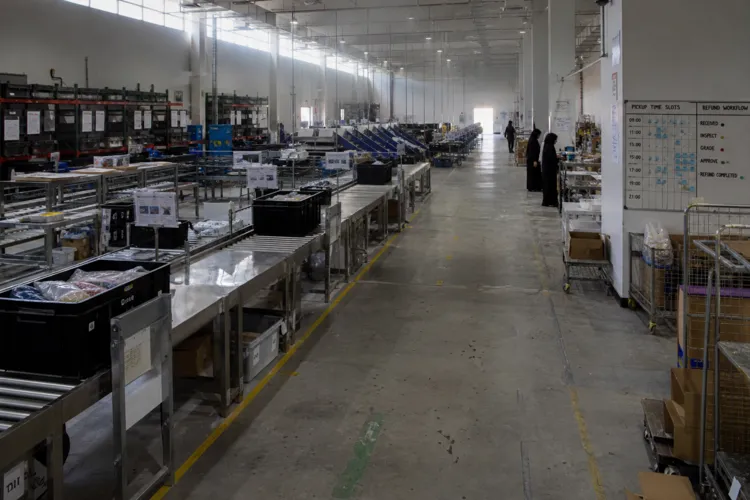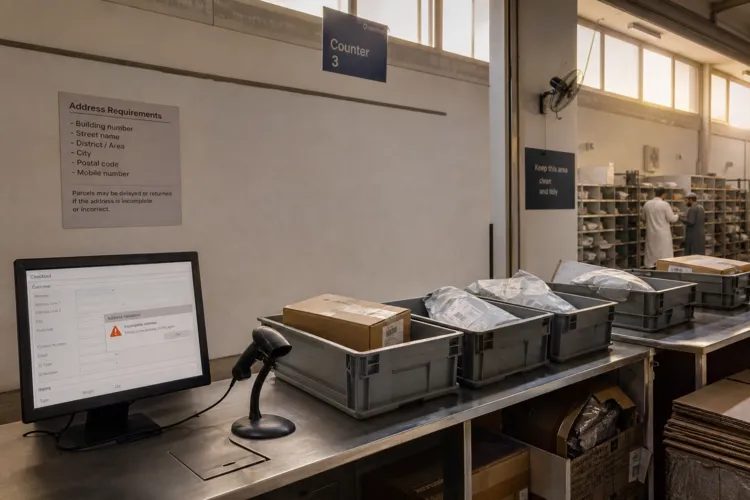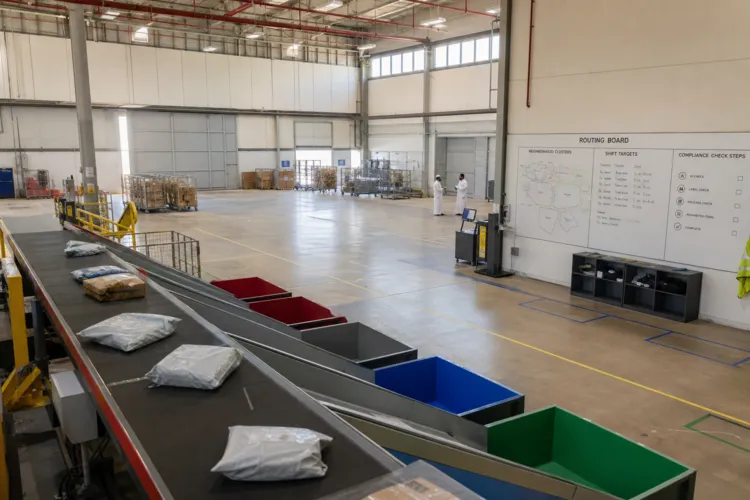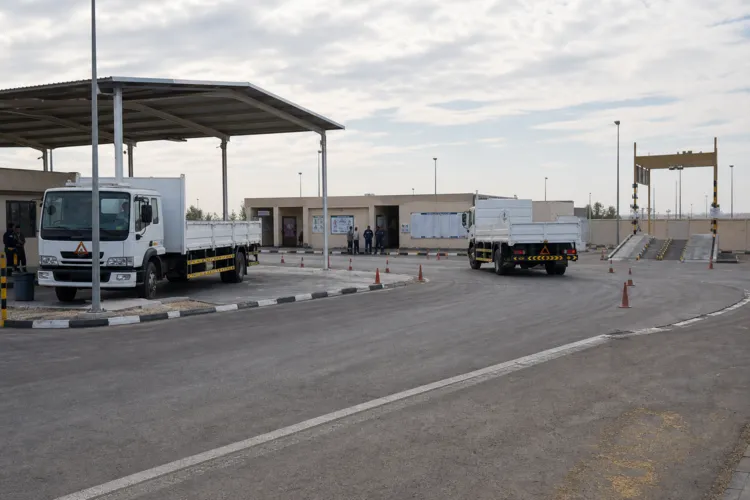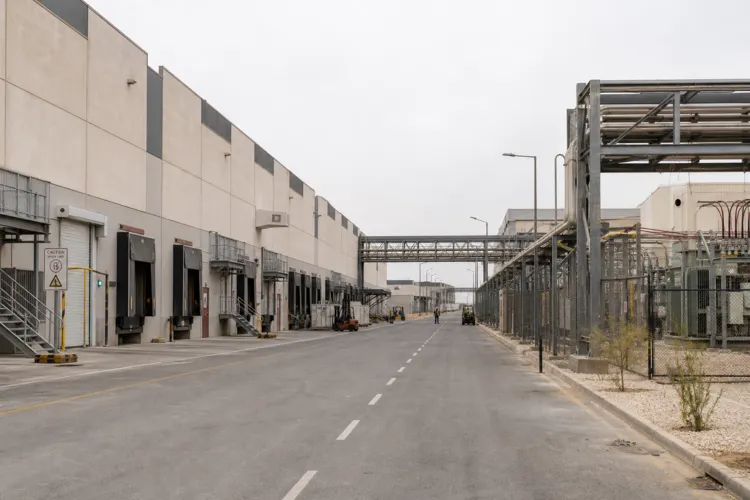
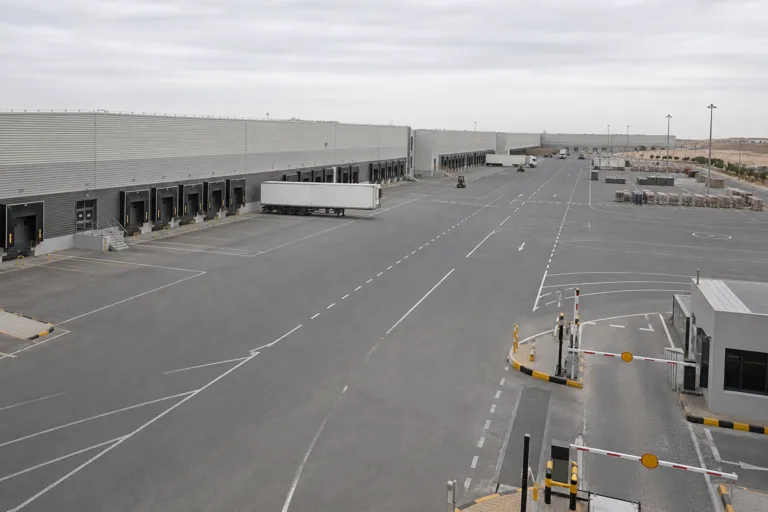
Saudi Arabia’s logistics buildout is increasingly visible in the Dammam Metropolitan Area (DMA). One of the clearest signals is the 30-year PPP linked to an 850,000 m² logistics zone, positioned as a template that is also earmarked for rollout in Riyadh and Jubail. In a market where Grade A scarcity is already shaping behavior, JLL reporting cited occupancy above 90% across Riyadh, Jeddah, and the DMA during Q2 2026. That same update noted that rental values kept climbing in these regions, supported by fundamental demand growth that outweighed regional geopolitical tension effects.
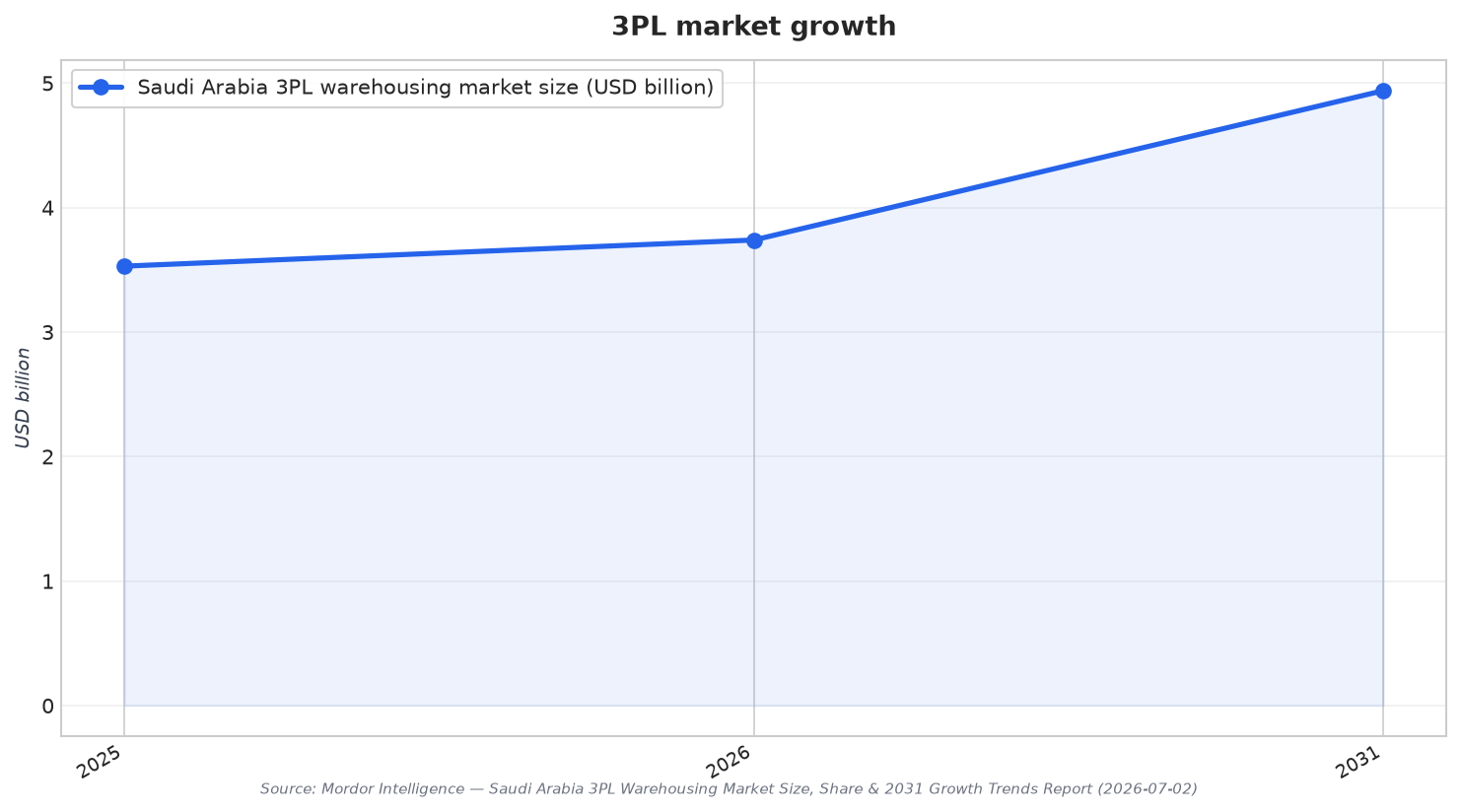
The warehouse and 3PL backdrop helps explain why a Dammam-focused zone can attract attention. Mordor Intelligence valued the Saudi Arabia 3PL warehousing market at USD 3.53 billion in 2025, with estimates rising from USD 3.74 billion in 2026 to USD 4.94 billion by 2031, at a 5.71% CAGR for 2026–2031. Storage led with 60.21% of market size in 2025. General shared (multi-client) warehousing held 53.09% share. Manual warehousing captured 63.83% share, while fully automated warehousing was forecast to expand at an 11.39% CAGR through 2031. These splits frame why new zones often target modern specifications and services, not just more floor area.
Why Dammam’s Logistics Bet Fits the National Playbook
The Dammam Integrated Logistics Zone story also connects to a national planning cadence. Mordor Intelligence cited that the National Industrial Development and Logistics Program activated 24 logistics centers by 2025 within a master plan of 60. In the same source, the logistics sector contributed SAR 82 billion (USD 21.84 billion) to GDP in 2025 and employed 421,000 professionals, with national policy targeting SAR 115 billion (USD 30.64 billion) in GDP contribution and 600,000 jobs by 2030. The pull on operators is reinforced by SAR 280 billion (USD 74.60 billion) in transport and logistics investment contracts, with 80% of the logistics project pipeline open to private participation.
Demand is also evolving in the direction of specialized operations. Bonded warehousing was identified as the fastest projected category at a 7.72% CAGR through 2031, while temperature-controlled warehousing was forecast to advance at a 9.43% CAGR. On the end-user side, retail and e-commerce accounted for 32.67% of 3PL warehousing market size in 2025, and healthcare and pharma recorded the highest projected CAGR at 8.85% through 2031. These dynamics matter for Dammam-area development, because they shift requirements toward compliance-ready layouts, faster processing, and value-added services, which were also projected to grow at an 8.55% CAGR through 2031.
Real estate momentum in the east is being described as structural, not incremental. Mordor Intelligence forecast an 8.41% CAGR for the Dammam Metropolitan Area, citing the 850,000 m² PPP logistics zone and petrochemical expansions as key underpinnings. The same overview referenced a 59-hub logistics mandate that calls for 5 million m² of warehouses by 2030, providing another yardstick for how much new capacity the system is aiming to absorb. Put together, the Dammam zone becomes less of a standalone project and more of a test case: whether private-capital delivery, high-occupancy conditions, and modern warehouse demand can align at scale in the DMA.
What is the Dammam Integrated Logistics Zone in Saudi Arabia tied to?
How tight is logistics space demand in Dammam and other major Saudi hubs?
How big is the Saudi Arabia 3PL warehousing market, and how fast is it forecast to grow?
Which warehousing segments are projected to grow fastest in Saudi Arabia?
What national targets and investments are cited as supporting logistics expansion?
Talk to us for your needs in:
- Identifying Suitable Warehouse Sites in Saudi Arabia
- Customized Logistics and Supply Chain Analytics
- Logistics Network Design and Optimization
- Green Supply Chain and Sustainable Logistics Solutions
- Supply Chain Risk Management and Compliance
- Advanced Supply Chain Resilience and Agility
- Logistics Market Research and Strategic Analysis
- In-Depth Market Survey for Logistics
- Market Intelligence and Insights in Logistics
- Feasibility Study and Assessment in Logistics
- Integrated Warehousing Management Solutions
- Smart Warehousing and Automation Systems
- Sustainable and Green Warehousing Practices
- Port and Airport Logistics Optimization
- Digital Logistics Solutions
- Saudi Logistics Benchmarking