Riyadh’s five-year rent freeze is a citywide intervention with direct implications for how companies budget space and negotiate leases. Effective September 25, 2025, the freeze applies to all residential and commercial properties within Riyadh’s defined urban boundaries. It caps rents for both existing contracts and new contracts for previously vacant properties, where the new rent is fixed based on the last recorded rent in the Ejar platform. The restriction runs through September 2030, and it is expected to anchor rental values in the short term and reduce upward pressure on occupier costs. For firms making distribution decisions, this changes the risk profile of locating in Riyadh versus other Saudi markets where no equivalent rent controls are described.
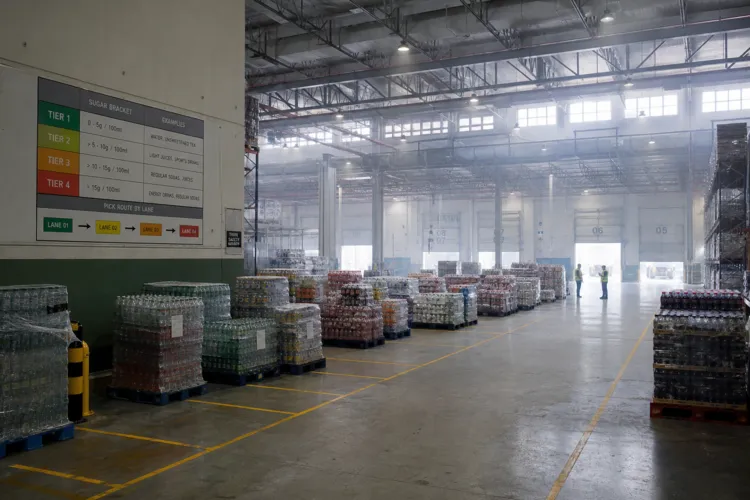
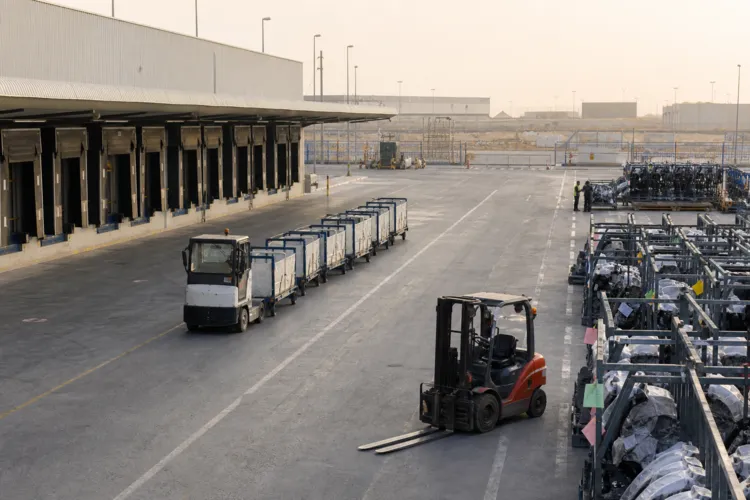
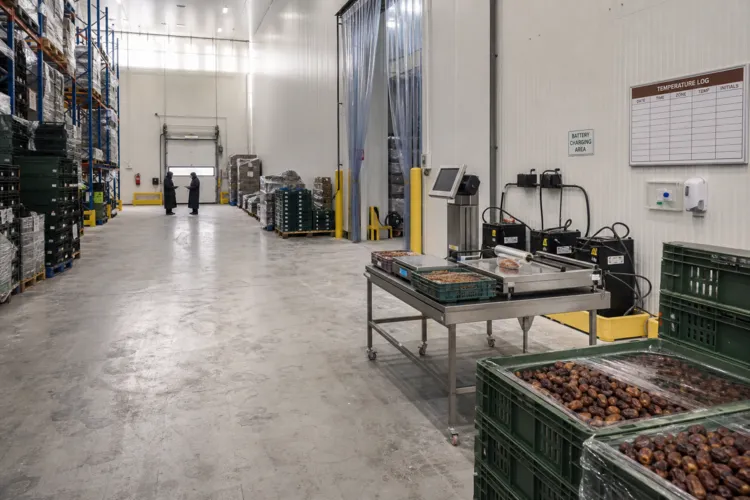
For warehouse leasing and logistics sites, the freeze arrives after a period of rent pressure in the sector. Warehouse and logistics rents rose 9% to 16% year on year over the same period cited by JLL Q2 2025 and Arab News (October 2025), with commentary linking absorption to Vision 2030 infrastructure contracts and e-commerce growth. Industrial and warehouse leases often run longer than office and retail leases, and rent is typically paid annually or semi-annually in advance. That mix of longer commitments and prepayment norms makes the legal definition of “rent level” and the Ejar-recorded baseline more consequential, because cost certainty can extend for multiple years once a tenant is locked into a structure.
Lease Renewals, Landlord Flexibility, and What Changes in Negotiations
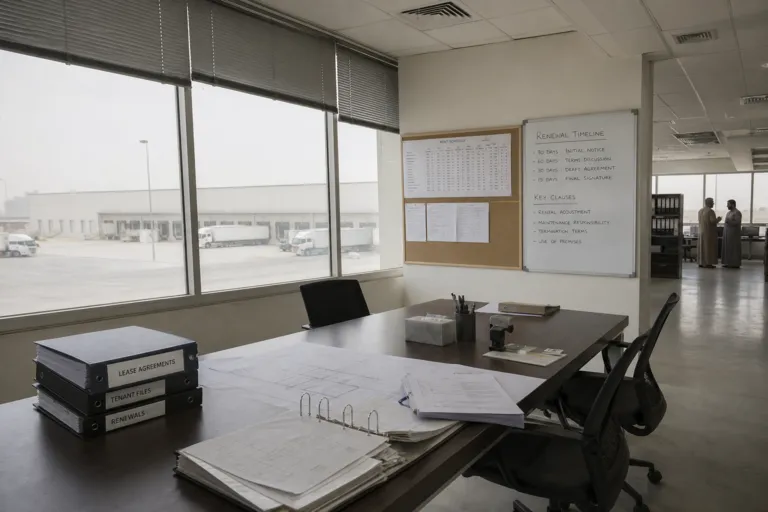
Deal mechanics matter as much as the headline rent. Across Saudi Arabia, leases renew automatically unless either party gives written notice at least 60 days before expiry. In Riyadh specifically, landlords can only refuse renewal for non-payment, structural safety issues, or genuine personal use. Combined with a freeze that prevents rental increases during the five-year period, renewal rules can strengthen tenant planning for essential logistics footprints where relocation is expensive. At the same time, SAT notes that tenant improvements are typically tenant-funded and that leases may include turnover clauses or fixed escalations. Within a frozen-rent framework, parties may focus more heavily on non-rent terms, specification, and obligations that affect total occupancy cost.
The freeze also sharpens comparisons across regions inside the Kingdom. Bayut describes a “two-track reality” forming, as Jeddah and the Eastern Province have no rent controls and remain open to market-driven pricing, while Riyadh is regulated within its urban boundary. For occupiers, that comparison intersects with broader demand drivers: Saudi Arabia’s logistics and distribution sector is described as expanding rapidly, driven by e-commerce growth, supply chain localization, and regional trade dynamics. For investors, separate sources frame expected outcomes differently: one notes Riyadh’s average gross rental yield sits around 5.8% in early 2026, while another cites an earlier index report showing average gross rental yield at 8.89% in Riyadh and around 7.89% in Jeddah. Regardless of the benchmark used, a multi-year cap on rent growth can shift underwriting toward occupancy stability and lease quality.
In practice, “Riyadh rent freeze logistics real estate” is less about a single rent number and more about how compliance and documentation shape warehouse outcomes. New leases for previously vacant properties are tied to the last recorded Ejar rent, so tenants and landlords both have an incentive to confirm what is recorded and how it maps to the specific unit, specification, and permissible use. With industrial zones offering everything from basic storage to modern distribution centers with cross-docking and automation capabilities, specification differences can be material even when rent movement is capped. The net effect is a market where long-term logistics planning may become easier on headline rent volatility, but harder on structuring the right contract for the right facility.
When did the Riyadh rent freeze start, and when does it end?
Does the rent freeze cover warehouses and other commercial properties in Riyadh?
How are rents set for new leases on previously vacant properties during the freeze?
What does the Riyadh rent freeze mean for logistics real estate and warehouse leasing strategy?
What happened to warehouse and logistics rents before the freeze period described in the sources?
Talk to us for your needs in:
- Identifying Suitable Warehouse Sites in Saudi Arabia
- Customized Logistics and Supply Chain Analytics
- Logistics Network Design and Optimization
- Green Supply Chain and Sustainable Logistics Solutions
- Supply Chain Risk Management and Compliance
- Advanced Supply Chain Resilience and Agility
- Logistics Market Research and Strategic Analysis
- In-Depth Market Survey for Logistics
- Market Intelligence and Insights in Logistics
- Feasibility Study and Assessment in Logistics
- Integrated Warehousing Management Solutions
- Smart Warehousing and Automation Systems
- Sustainable and Green Warehousing Practices
- Port and Airport Logistics Optimization
- Digital Logistics Solutions
- Saudi Logistics Benchmarking