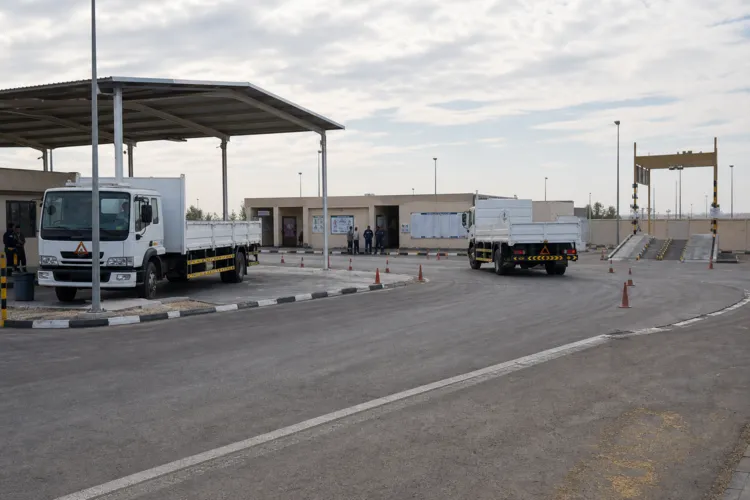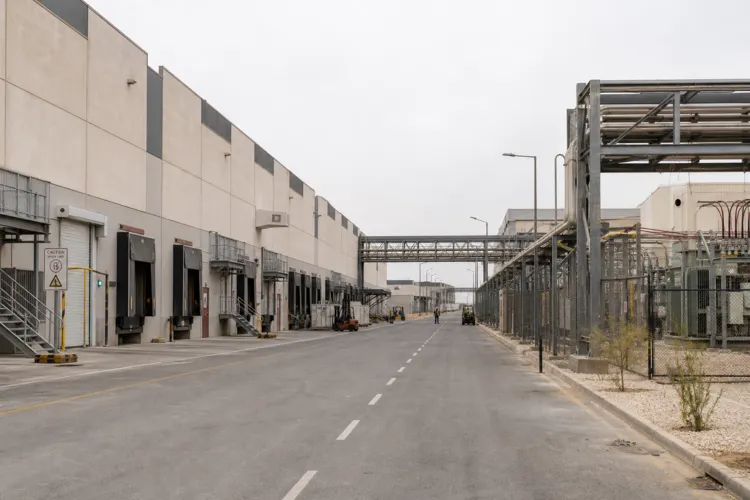
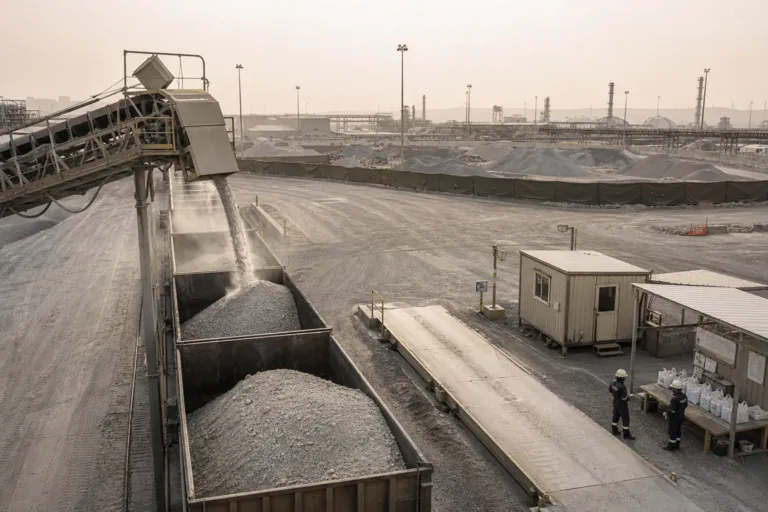
Saudi Arabia is trying to convert geology and partnerships into a durable role in critical minerals supply chains. In January 2025, Aramco and Ma’aden signed Heads of Terms for a minerals exploration and mining joint venture focused on energy transition minerals. Later, in November 2025, Ma’aden signed a binding term sheet with MP Materials and the US Department of War to build and operate a rare earth refining and separation facility in the Kingdom. A Saudi government and CSIS assessment ties this industrial push to a rare earth endowment: the Jabal Sayid deposit, around 350 kilometers northeast of Jeddah, is believed to hold the fourth most valuable reserves of rare earth elements globally, including an estimated 552,000 tons of heavy rare earths and 355,000 tons of light rare earths.
The November 2025 arrangement also clarifies ownership and financing structure. MP Materials and the Pentagon will hold a 49% stake in the joint venture, while Ma’aden’s position will be no less than 51%, according to CNBC. The Defense Department will finance the US portion of the venture, with MP providing technical and marketing expertise. CSIS frames the same initiative as a strategic step to reduce dependence on China, after a year of pronounced volatility in global access to heavy rare earths. The CSIS analysis also describes a broader Strategic Framework for Cooperation on securing uranium, metals, permanent magnets, and critical mineral supply chains, designed to facilitate two-way investment.
What Changes in the Operating Base for Export-Ready Supply
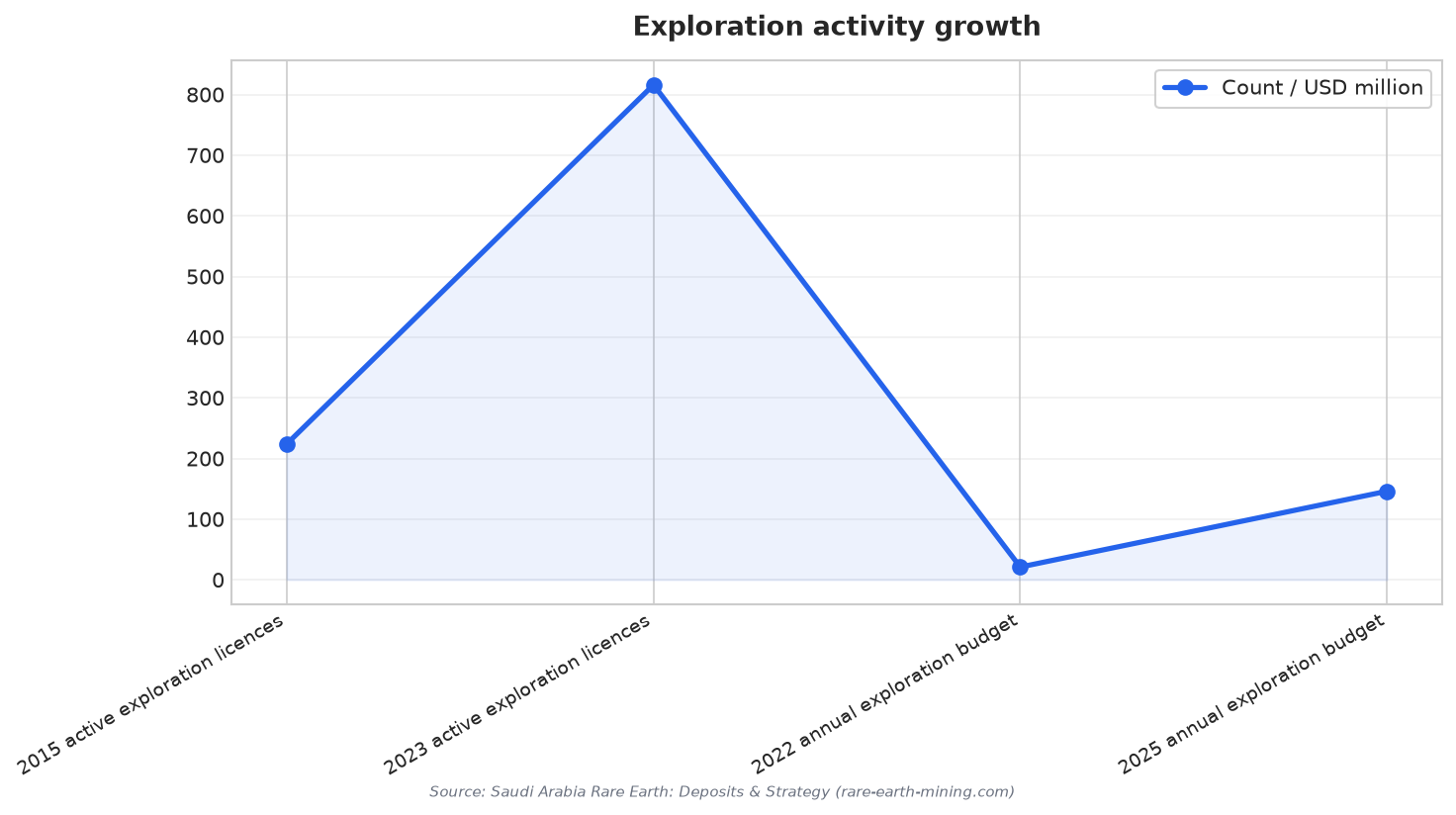
Export readiness starts with throughput in exploration and project pipelines, and the sources show a rapid ramp. The number of active exploration licences grew from 224 in 2015 to 816 in 2023, while the annual exploration budget rose from $21 million in 2022 to $146 million in 2025, described as a 600% increase in three years. CNN separately reports that Saudi Arabia’s budget for exploratory mining increased 595% between 2021 and 2025, citing S&P Global, while noting it remains modest by the standards of advanced mining nations like Canada and Australia. This matters for Saudi rare earths export logistics because a refining-and-separation facility only becomes a regional node if feedstock, permitting, and offtake scale in step.
The Kingdom is also trying to widen its mineral platform beyond rare earths while keeping rare earths central to strategic positioning. The NIDLP summary says the January 2025 Aramco-Ma’aden minerals JV and the November 2025 rare earths agreement positioned the Kingdom as a Western-aligned critical mineral supply node. It also cautions that the shift from a USD 1.3 trillion to a USD 2.5 trillion mineral wealth estimate is geological, not commercial, and that converting in-ground value to revenue requires permitting throughput plus infrastructure such as rail, water, and power at remote sites. The same source flags that rare earth refining build-out carries technical complexity and geopolitical sensitivity, and that logistics competition is structurally challenging.
That competition is regional as well as global. NIDLP points to UAE ports (Jebel Ali, Khalifa Port), Oman (Duqm), and Egypt (Suez Canal Economic Zone) as credible logistics competitors with longer operating histories and deeper customer relationships. Saudi Arabia’s pitch therefore leans on political and partner alignment as much as location. Climate Home News cites an analyst describing Saudi Arabia as a “politically neutral player” in the US-China race over critical minerals, while also arguing that the Kingdom can offer the US diversification away from China-dominated supply chains and offer China a stable partnership outside Western investment restrictions. The practical question for a supply node is whether the new refining capacity, licensing growth, and bilateral frameworks translate into repeatable export pathways.
What did the 2025 Aramco-Ma’aden agreement actually cover?
What is the ownership split in the Saudi rare earth refinery joint venture announced in November 2025?
What rare earth volumes are attributed to the Jabal Sayid deposit in the sources?
How do the sources describe Saudi rare earths export logistics challenges and competition?
What signals show Saudi Arabia is scaling its exploration pipeline for a supply node strategy?
Talk to us for your needs in:
- Identifying Suitable Warehouse Sites in Saudi Arabia
- Customized Logistics and Supply Chain Analytics
- Logistics Network Design and Optimization
- Green Supply Chain and Sustainable Logistics Solutions
- Supply Chain Risk Management and Compliance
- Advanced Supply Chain Resilience and Agility
- Logistics Market Research and Strategic Analysis
- In-Depth Market Survey for Logistics
- Market Intelligence and Insights in Logistics
- Feasibility Study and Assessment in Logistics
- Integrated Warehousing Management Solutions
- Smart Warehousing and Automation Systems
- Sustainable and Green Warehousing Practices
- Port and Airport Logistics Optimization
- Digital Logistics Solutions
- Saudi Logistics Benchmarking