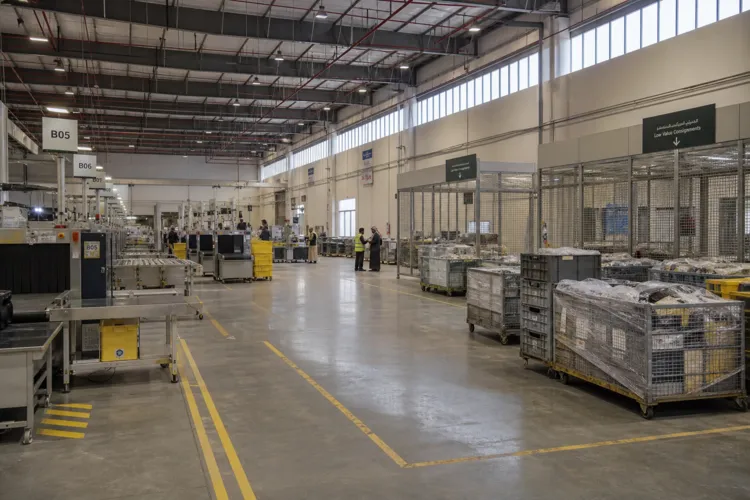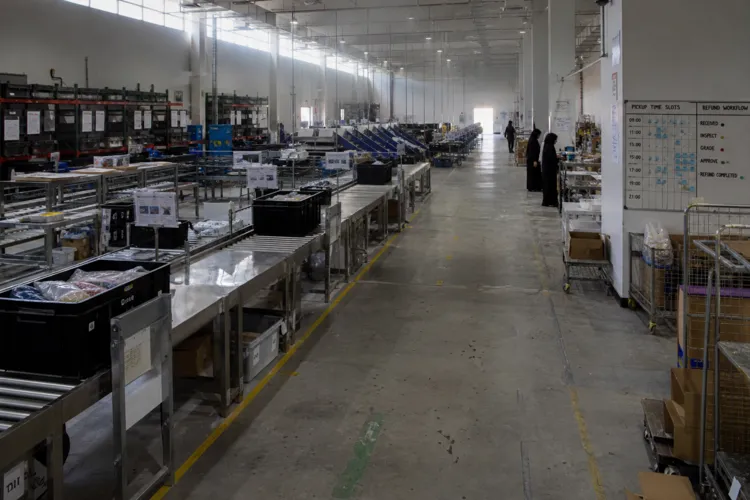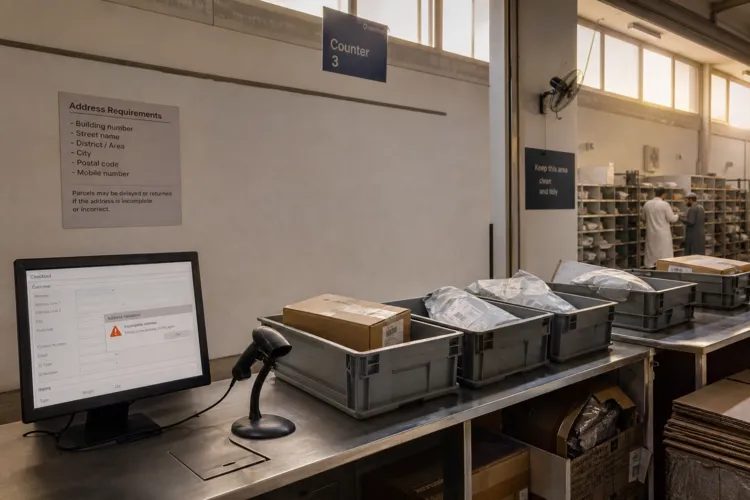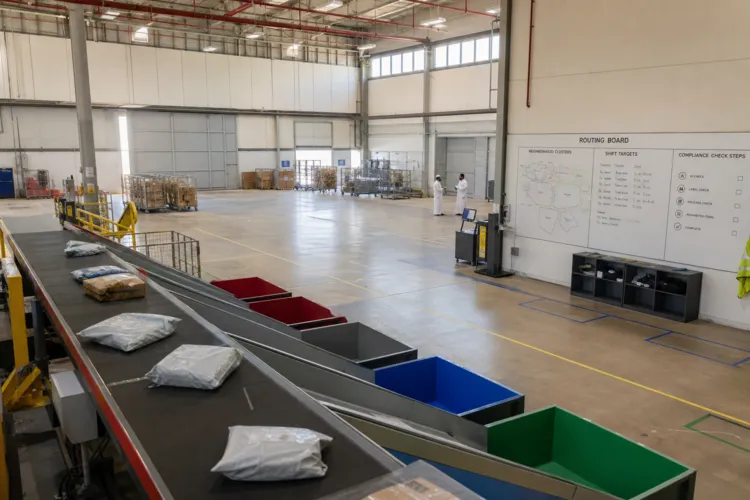
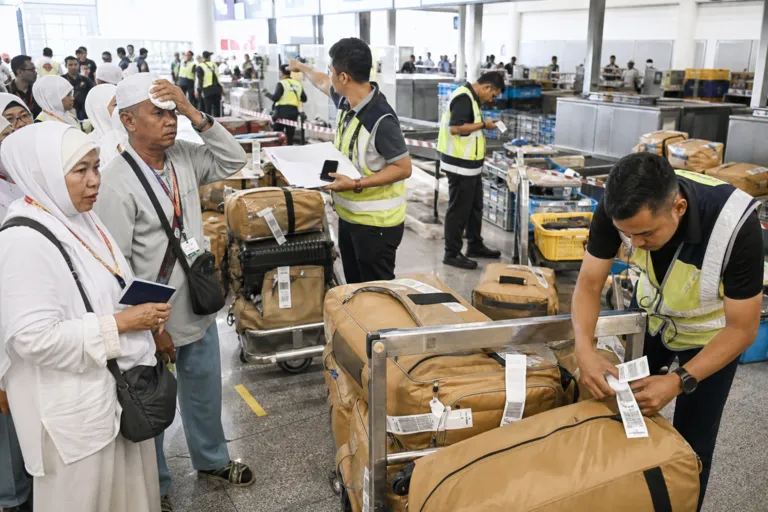
Hajj Without Luggage 2026 reframes baggage as a managed flow, not a personal burden. The idea forces supply chains to treat pilgrim items as time-sensitive freight that must move reliably across 145 cities. That shift matters because logistics conditions entering 2026 are described as full of stops and starts, and “uncertainty” remains intact. When programs depend on predictable execution, every handoff becomes a supply chain design problem, not just a customer service detail.
In early 2026, trade and operating conditions are still moving under policy pressure. A 10% Section 122 tariff took effect and is only valid for a 150-day period, creating a defined window followed by open-ended questions. In the same environment, supply chain stakeholders are watching inventory planning and positioning, the slow re-emergence of Red Sea shipping, and strategic initiatives underway at UPS and FedEx, alongside a recently-issued White House Maritime Action Plan. Hajj Without Luggage 2026 sits inside this volatility and must be engineered to absorb it.
Execution-First Logistics Becomes the Real Differentiator
Hajj Without Luggage 2026 also matches a wider shift in supply chain priorities: execution. The NextGen Supply Chain Conference is focusing on execution “more than ever in 2026,” and its awards are framed around deploying technology, scaling operations, and delivering measurable outcomes in real-world environments. Submissions for those awards are open with a deadline of May 15, 2026, and the conference itself will take place Oct. 21-23, 2026, in Nashville, Tennessee. For baggage supply chains, that framing reinforces that results come from disciplined operating models, not just promises.
Network design pressure is also rising because demand patterns keep reshaping freight flows. Logistics reporting notes how e-commerce is redefining service expectations and network design as shippers and carriers adapt to volatility, tariffs, and shifting capacity. For a concept like Hajj Without Luggage 2026, “without luggage” does not remove movement; it redistributes it into professional networks. That can increase dependence on parcel, air, and multimodal links, while raising the need for consistent scanning, custody controls, and exception management across city-level nodes.
Capacity and routing uncertainty adds another layer. Ocean freight commentary for 2026 highlights policy risk and volatility, along with a wave of new vessel capacity including ultra-large 25,000 TEU ships due to come online, and the possibility of a full reopening of Red Sea routings. That combination can change reliability and pricing signals that logistics teams use when planning lanes and buffers. Hajj Without Luggage 2026 would need routing plans that remain viable if schedules or costs swing, especially when baggage is treated as a consolidated, trackable stream.
Digital operating discipline is a final theme that supports the “no luggage” promise at scale. A digital-first warehousing view argues that the differentiator will be embedding digital intelligence across warehousing, transport, and compliance, to move goods more quickly and keep inventory under control. It also notes India’s logistics cost at 7.97 per cent of GDP (FY 2023–24), positioning efficiency as a measurable priority. For Hajj Without Luggage 2026 across 145 cities, the takeaway is straightforward: execution, visibility, and compliant processes must be built into every warehouse and transport touchpoint.
What is “Hajj Without Luggage 2026” in supply chain terms?
Why does uncertainty matter for Hajj Without Luggage 2026 operations?
Which 2026 policy detail could affect logistics planning?
What industry theme aligns with scaling a luggage-free baggage model?
How do shifting freight networks connect to pilgrim baggage flows?
Talk to us for your needs in:
- Identifying Suitable Warehouse Sites in Saudi Arabia
- Customized Logistics and Supply Chain Analytics
- Logistics Network Design and Optimization
- Green Supply Chain and Sustainable Logistics Solutions
- Supply Chain Risk Management and Compliance
- Advanced Supply Chain Resilience and Agility
- Logistics Market Research and Strategic Analysis
- In-Depth Market Survey for Logistics
- Market Intelligence and Insights in Logistics
- Feasibility Study and Assessment in Logistics
- Integrated Warehousing Management Solutions
- Smart Warehousing and Automation Systems
- Sustainable and Green Warehousing Practices
- Port and Airport Logistics Optimization
- Digital Logistics Solutions
- Saudi Logistics Benchmarking