Hajj 1448 logistics planning starts with accepting the constraint that does not move: the rituals run on a fixed schedule across specific locations, so supply chains must bend to time, heat, and controlled access. Hajj 1447 operations were described as a system designed to move, cool, and protect pilgrims, with Saudi authorities using visa issuance and regulated entry points as part of logistics control. Scale sets the baseline. In 2025 reporting, Saudi Arabia said 1,475,230 pilgrims from abroad had arrived since Sunday, while the BBC separately reported that more than 1.4 million Muslims had begun the pilgrimage. Those volumes turn procurement, staging, and last-mile distribution into crowd safety tools, not back-office tasks.
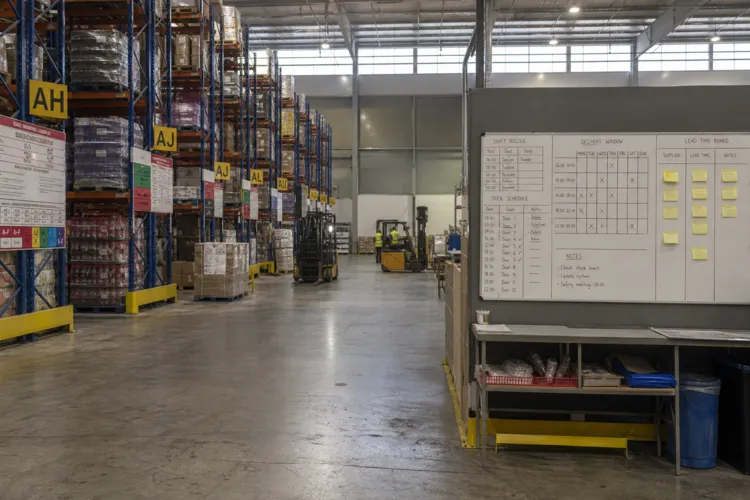
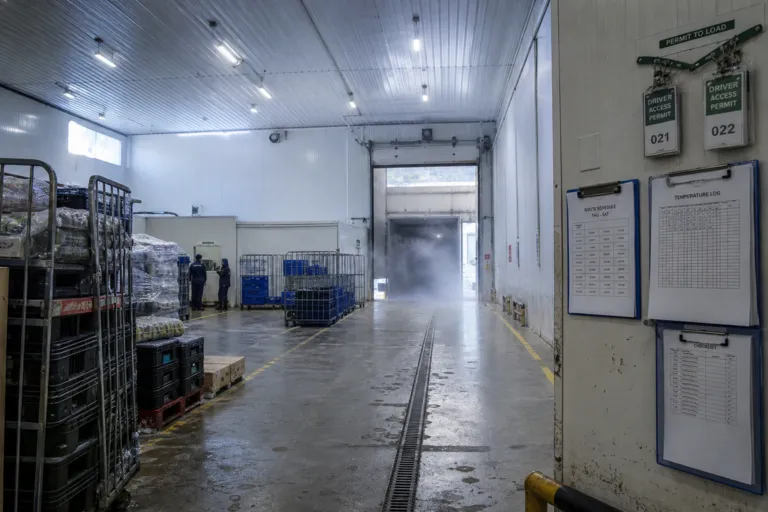
Early procurement is also a cold-chain decision, not only a purchasing one. A Saudi fruit and vegetable importer and distributor, Global Star, said preparations typically begin two to three months prior to Hajj, spanning demand forecasting, supplier agreements, and logistics coordination. The same source ties execution to a mix of sea and air freight, strict cold-chain management, and efficient distribution serving Makkah and Madinah. It also notes that fresh produce importers need several months to secure market supply for the Hajj period, and that resilience depends on consistent product quality, reliable logistics, and the ability to scale operations quickly. For 1448, that implies contracting lanes and cold storage capacity before peak booking and arrival waves compress options.
Warehousing and Access Control: Plan Inventory Around Permits and Peaks
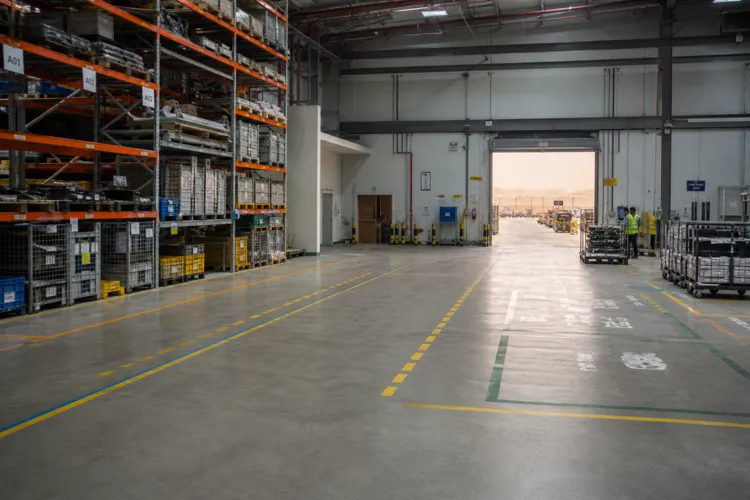
Warehousing strategy for Hajj 1448 should be built around controlled access and timed movement between sites. The BBC described pilgrims moving to Mecca’s Grand Mosque and then traveling to Mina, 5 km away, before heading to Mount Arafat, which forces inventory positioning to follow the same rhythm. Permit enforcement is framed as a safety tool as well. The New York Times reported that the Saudi government said more than 1,300 pilgrims died last year, many from Egypt, and that most of those who perished had been unregistered, meaning they lacked permits that gave them access to heat protections. When eligibility gates shape who can receive services, warehouses and last-mile dispatch need permit-aware allocation and clear handoff points.
Heat readiness is inseparable from logistics design because it changes when, where, and how goods and people can move. For Hajj 1447, the BBC reported temperatures forecast to reach 44C (111F) and said authorities planted thousands of trees and installed hundreds of cooling units. The Saudi health ministry urged pilgrims to avoid sun exposure between 10:00 and 16:00, use umbrellas, and drink water regularly. Those constraints concentrate movement into narrower windows and increase the value of pre-positioned stock, rapid replenishment, and cold-chain integrity when the day’s highest-risk hours reduce outdoor handling time. Transport readiness also matters at system level: SPA reported that the Ministry of Transport and Logistic Services completed integrated operational readiness for Hajj 1447 across air, land, rail, and sea.
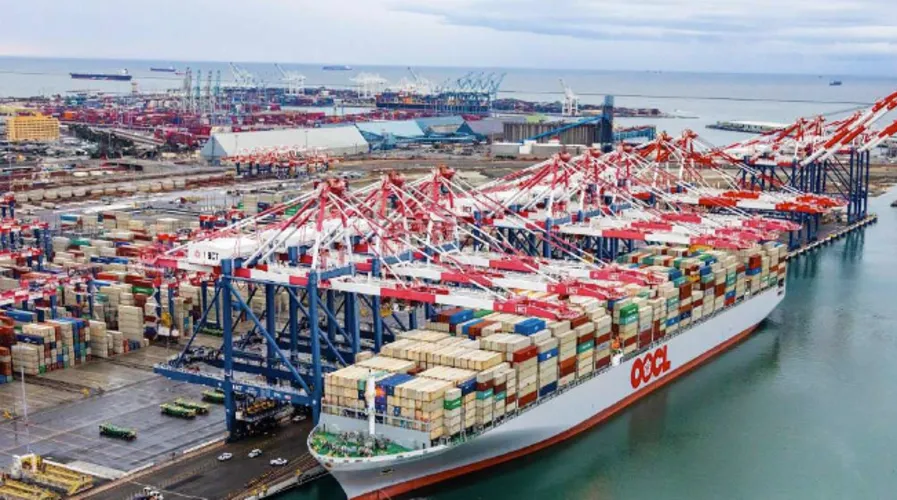
Finally, Hajj 1448 planning should be grounded in the broader logistics and hospitality context shaping western-region throughput. IMARC reports Saudi Arabia’s logistics market increased from USD 55.29 Billion in 2025 to USD 57.88 Billion in 2026, and projects USD 83.41 Billion by 2034, with the western region at 27.4% in 2025 and Jeddah Islamic Port handling over 65% of imports. On the demand side, 1445H (2024) recorded 1,833,164 total Hajj pilgrims, including 1,611,310 from abroad and 221,854 domestically, with 87.9% international participation. Catering and accommodation signals also point to volume pressure: Knight Frank reports Makkah ADR at SAR 775, RevPAR growth of 4.7% year-on-year, and more than 218,000 planned rooms across Makkah and Madinah developments, all of which raise the stakes for early procurement, scalable warehousing, and disciplined cold-chain execution.
Why should planning for Hajj 1448 start early rather than close to the season?
What did Hajj 1447 show about cold-chain logistics for food and perishables?
How do permits affect logistics and service access during Hajj operations?
What heat-related constraints should Hajj 1448 planners design around?
What does the operating context in western Saudi Arabia imply for Hajj 1448 logistics planning?
Talk to us for your needs in:
- Identifying Suitable Warehouse Sites in Saudi Arabia
- Customized Logistics and Supply Chain Analytics
- Logistics Network Design and Optimization
- Green Supply Chain and Sustainable Logistics Solutions
- Supply Chain Risk Management and Compliance
- Advanced Supply Chain Resilience and Agility
- Logistics Market Research and Strategic Analysis
- In-Depth Market Survey for Logistics
- Market Intelligence and Insights in Logistics
- Feasibility Study and Assessment in Logistics
- Integrated Warehousing Management Solutions
- Smart Warehousing and Automation Systems
- Sustainable and Green Warehousing Practices
- Port and Airport Logistics Optimization
- Digital Logistics Solutions
- Saudi Logistics Benchmarking