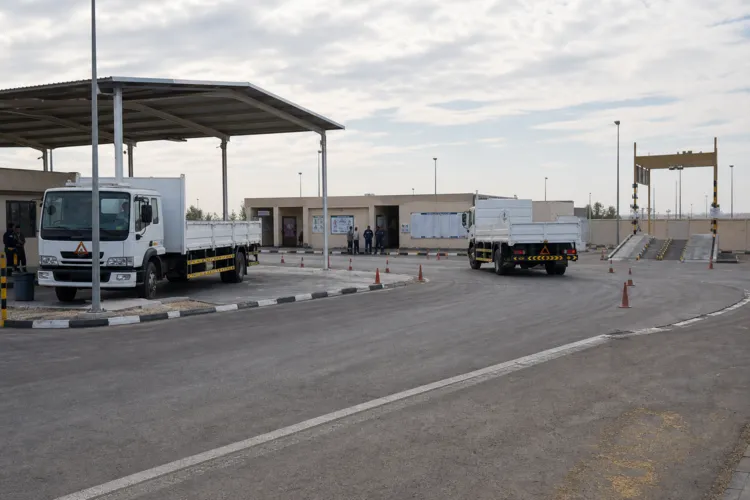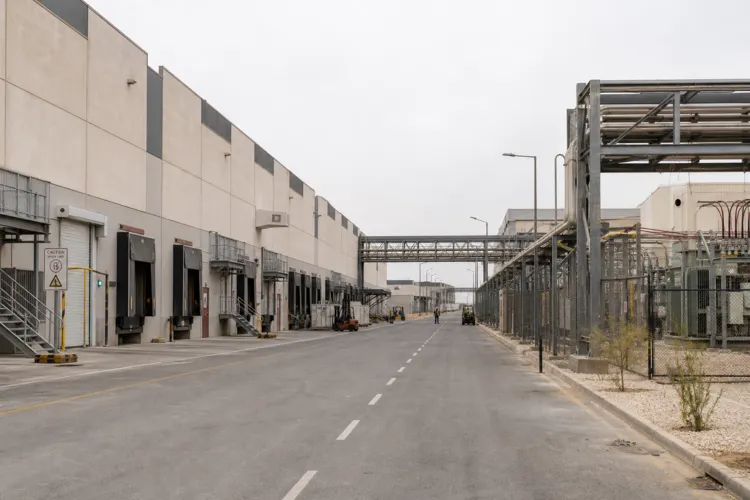
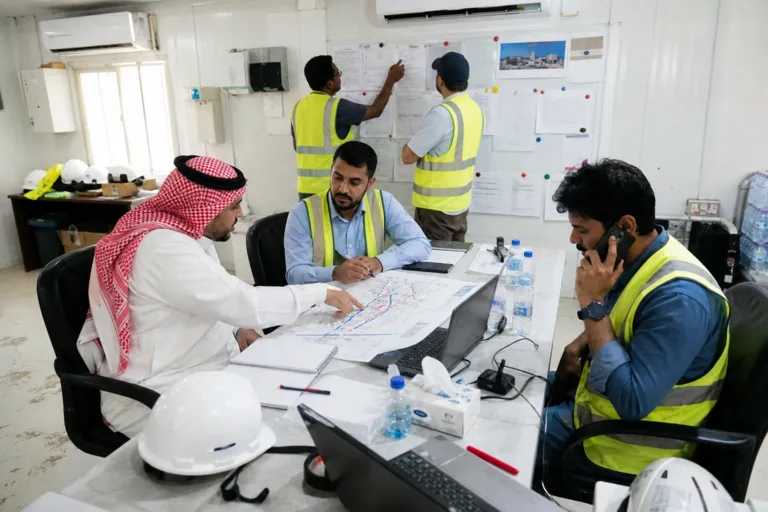
Engineering Saudization 2026 is landing in a period where Saudi Arabia is explicitly pivoting toward logistics, alongside AI and mining, according to Reuters. That shift changes what “project readiness” means for logistics programs. Teams now need reliable delivery, but also fast upskilling, compliance, and the ability to redeploy people as priorities move. Arab News described a broader move away from static, linear career paths and toward flexible trajectories in fast-growing sectors such as logistics. In that setting, engineering-heavy logistics teams are being rebuilt with mobility, training, and digital delivery skills closer to the core of project execution.
One operational impact is that staffing has to work inside regulatory frameworks, including Saudization policies under the Nitaqat program, sector-specific quotas, and compliance obligations set by the Ministry of Human Resources and Social Development, as cited in Arab News. Mobility providers are being used to reduce friction, because they can manage interactions with multiple government platforms such as Qiwa and GOSI while enabling faster transitions across functions and sectors. Arab News also noted that internal mobility is gaining ground to boost retention and responsiveness, even while external hiring remains necessary for certain critical roles. For logistics projects, that combination changes team design: leaders increasingly plan for cross-training and internal transfers, not just fresh recruitment.
Digital Logistics Work Is Becoming a Talent Strategy
Engineering Saudization 2026 also reshapes teams because the logistics agenda is tied to technology-enabled infrastructure. PropNewsTime reported an Ericsson Memorandum of Understanding with the Saudi Railway Company to introduce 5G and FRMCS technologies across the rail network, including applications such as real-time video, train control, and IoT connectivity. The same report said the collaboration focuses on training SAR’s workforce in advanced communication systems. That kind of work changes the engineering mix inside logistics teams. More roles sit at the intersection of infrastructure, communications, and digital systems, so training and capability-building become part of delivery rather than an add-on.
Digital delivery skills also show up in the construction workflows that feed logistics assets. Zawya reported that GBS trained and certified over 60 Saudi engineering professionals in advanced digital project delivery workflows, including Autodesk Construction Cloud, Revit, AutoCAD, and Navisworks. The same source listed outcomes enabled by these workflows: up to 30% reduction in design rework through integrated model coordination and clash detection, and 20% faster project delivery via real-time collaboration and digital review. For logistics programs, these capabilities influence how project teams are staffed. Digital coordinators, model managers, and engineers trained in collaborative workflows become key to maintaining speed while meeting localization expectations.
Cost and hiring dynamics are shifting at the same time. Reuters reported Saudi firms are scaling back salary premiums that once lured top foreign talent, and that the private sector salaries are now comparable to the UAE. Reuters also said Saudi project activity remained sluggish in 2025, with awards nearly halving in the first nine months, according to Kamco Invest. As giga-project timelines are reassessed or extended, CoStar also reported that some developments are being reevaluated or extended, and that Neom is undergoing revisions to its blueprint due to escalating costs and economic considerations. Together, these signals push logistics project leaders to be more deliberate about building stable, compliant, upskilled teams that can flex with schedule changes.
Capability-building efforts are not isolated to a single sector, and that matters for logistics because talent moves across industries. HRKatha reported that more than 30 localisation decisions in fields such as engineering, accounting, and pharmacy expanded opportunities for national professionals, with employment in some specialised roles increasing by as much as 300%. In parallel, Consultancy-me reported localization in the defense sector rose from 4% in 2018 to nearly 20% by the end of 2023, showing how localization can scale over time. Arab News emphasized that organizations should be proactive in building market skills, and that mobility helps through upskilling and cross-training existing employees. In practice, Engineering Saudization 2026 is pushing logistics project teams toward a repeatable model: train, certify, redeploy, and document compliance as rigorously as delivery itself.
What is Engineering Saudization 2026 changing for logistics project teams?
Why is logistics a priority area right now?
How do government platforms affect day-to-day staffing?
What kinds of skills are being trained for modern logistics infrastructure?
Are project timelines and hiring economics affecting team structures?
Talk to us for your needs in:
- Identifying Suitable Warehouse Sites in Saudi Arabia
- Customized Logistics and Supply Chain Analytics
- Logistics Network Design and Optimization
- Green Supply Chain and Sustainable Logistics Solutions
- Supply Chain Risk Management and Compliance
- Advanced Supply Chain Resilience and Agility
- Logistics Market Research and Strategic Analysis
- In-Depth Market Survey for Logistics
- Market Intelligence and Insights in Logistics
- Feasibility Study and Assessment in Logistics
- Integrated Warehousing Management Solutions
- Smart Warehousing and Automation Systems
- Sustainable and Green Warehousing Practices
- Port and Airport Logistics Optimization
- Digital Logistics Solutions
- Saudi Logistics Benchmarking