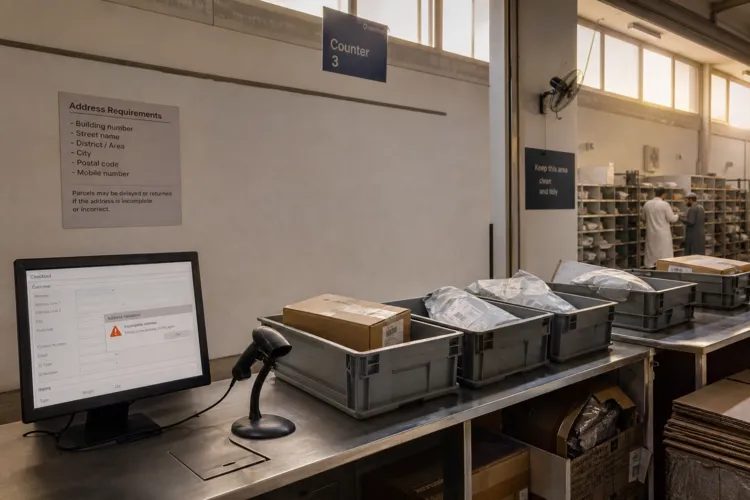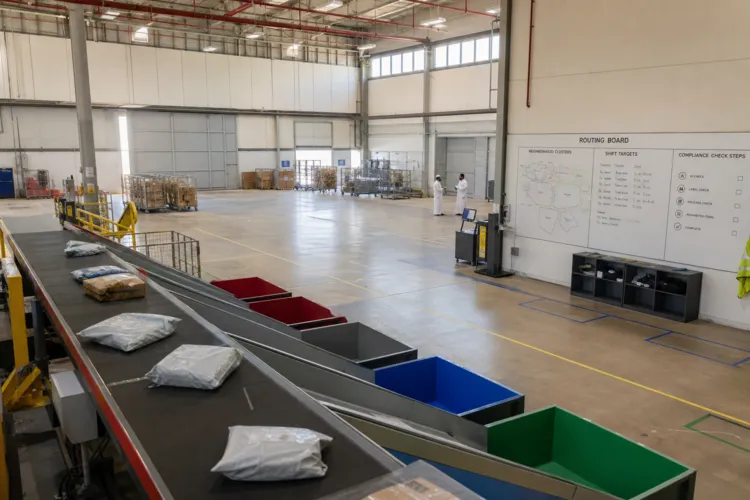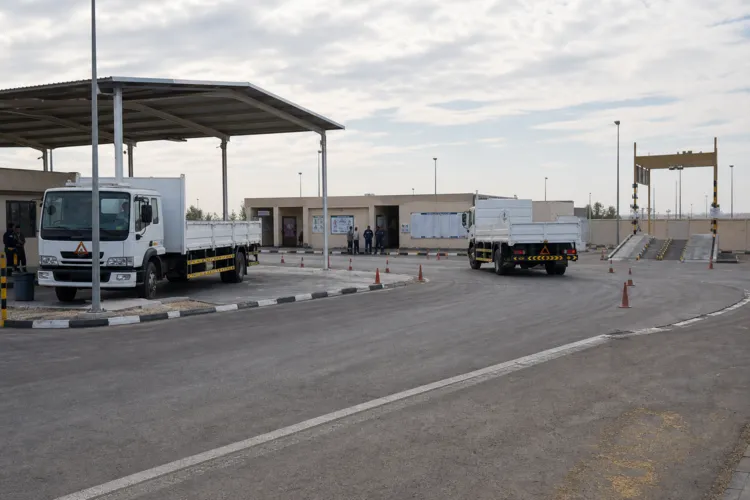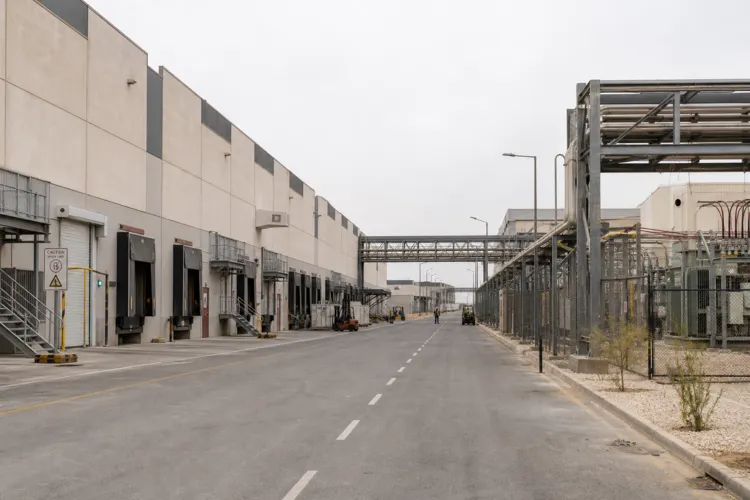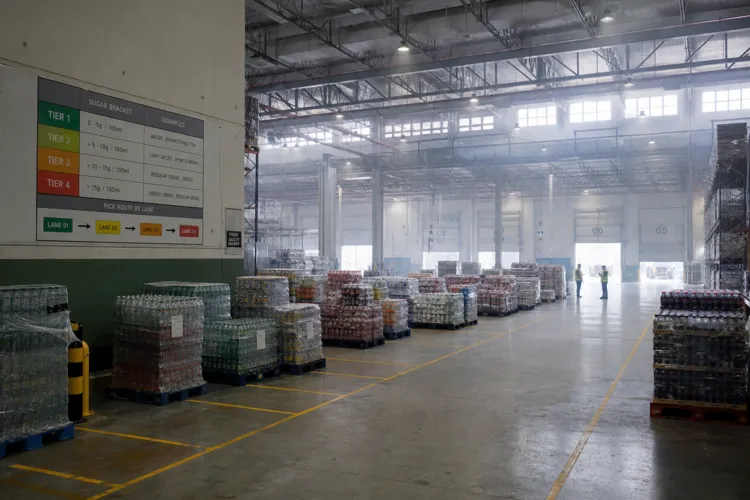
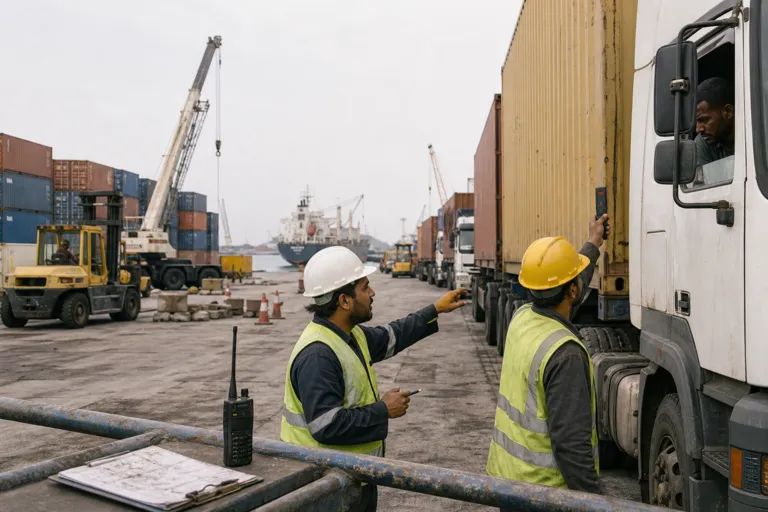
The Saudi logistics corridors initiative is an emergency plan to keep cargo moving when routes through the Persian Gulf are disrupted. On March 12, 2026, Minister of Transport and Logistics Services Eng. Saleh Al-Jasser launched the Western Coast Logistics Corridors Initiative during a field visit to Jeddah Islamic Port. It sets up dedicated operational corridors to receive containers and goods redirected from Saudi Arabia’s eastern ports and from ports across the six Gulf Cooperation Council (GCC) states to Saudi ports on the Red Sea coast, led by Jeddah Islamic Port.
The pressure behind this shift is not limited to oil. Since February 28, tanker traffic through Hormuz has plummeted by more than 90 percent. At the same time, the blockade has stranded 3,000 vessels and 20,000 seafarers across the region. Kpler maritime intelligence also reported about 170 containerships, with a combined capacity of around 450,000 twenty-foot equivalent units, trapped or restricted inside the Persian Gulf. Maersk, CMA CGM, and Hapag-Lloyd have suspended Hormuz transits indefinitely.
Saudi officials argue the Red Sea route can absorb this redirected flow. Al-Jasser said Saudi Red Sea ports can handle more than 17 million containers. Another report described western coast Saudi ports as having a collective capacity exceeding 18.6 million TEUs every year. These statements support the core message: Red Sea ports are positioned to connect Gulf cargo to regional and international markets without passing through the strait.
The launch event included Zakat, Tax and Customs Authority (ZATCA) Governor Eng. Suhail Abanmi and Saudi Ports Authority (Mawani) President Eng. Suliman Al-Mazroua, alongside other officials. During the visit, Al-Jasser met teams at the command and control center and reviewed vessel traffic, cargo handling, and loading procedures. He also inspected logistics zones, container terminals, and re-export centers at Jeddah Islamic Port.
Customs Fast-Tracking and Transit Tools
ZATCA describes the corridors as a step toward closer integration between customs and logistics procedures at Saudi and GCC ports. Abanmi said the authority is working with relevant entities to accelerate customs clearance and facilitate cargo movement. ZATCA also provides transit services across all customs ports in the Kingdom, allowing goods to move across Saudi territory to GCC countries through land, sea, and air ports.
Bonded warehouse zones are another tool linked to smoother movement. ZATCA said these zones allow importers and exporters to store goods while suspending duties and taxes until customs clearance or re-export. For shippers facing disrupted schedules, this flexibility matters. In plain terms, the Saudi logistics corridors initiative combines port readiness, rerouting routes to the Red Sea, and faster procedures so critical goods can keep flowing between regional and global markets.
What is the Saudi logistics corridors initiative?
Why is Saudi Arabia rerouting cargo to Red Sea ports?
How much capacity do Saudi Red Sea ports have for containers?
What role does ZATCA play in the corridors?
Talk to us for your needs in:
- Identifying Suitable Warehouse Sites in Saudi Arabia
- Customized Logistics and Supply Chain Analytics
- Logistics Network Design and Optimization
- Green Supply Chain and Sustainable Logistics Solutions
- Supply Chain Risk Management and Compliance
- Advanced Supply Chain Resilience and Agility
- Logistics Market Research and Strategic Analysis
- In-Depth Market Survey for Logistics
- Market Intelligence and Insights in Logistics
- Feasibility Study and Assessment in Logistics
- Integrated Warehousing Management Solutions
- Smart Warehousing and Automation Systems
- Sustainable and Green Warehousing Practices
- Port and Airport Logistics Optimization
- Digital Logistics Solutions
- Saudi Logistics Benchmarking