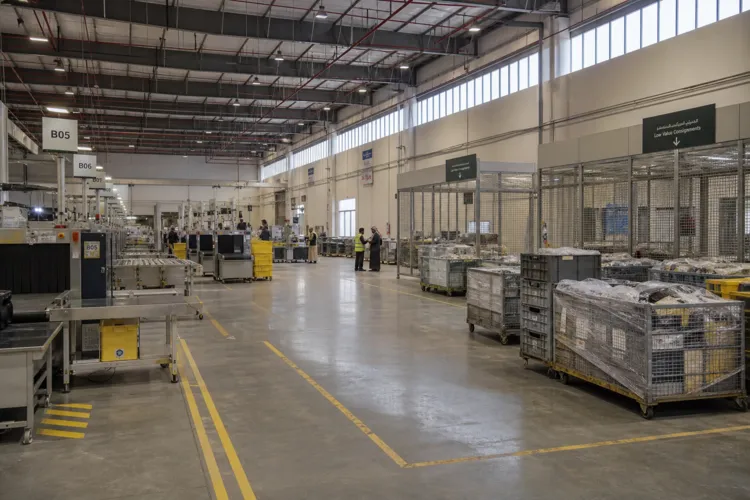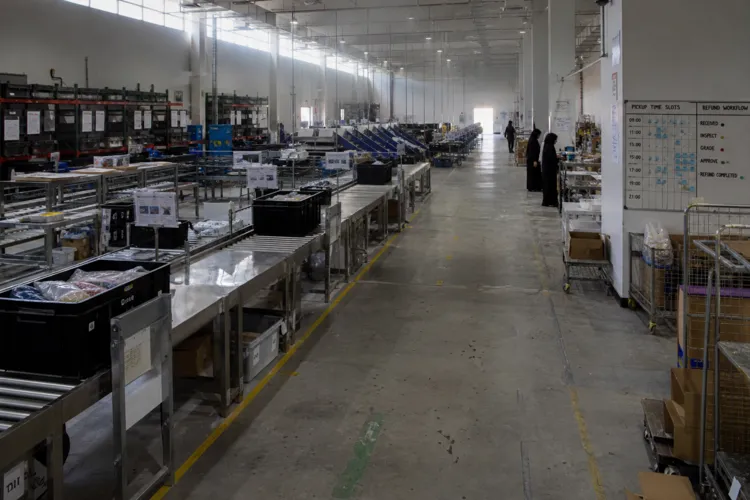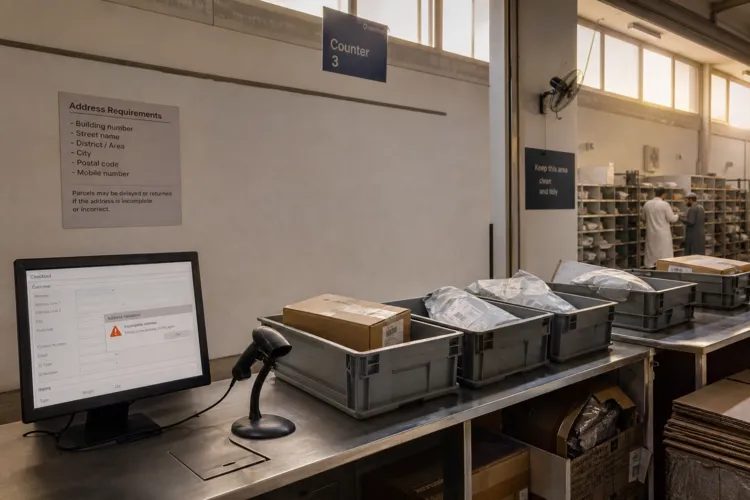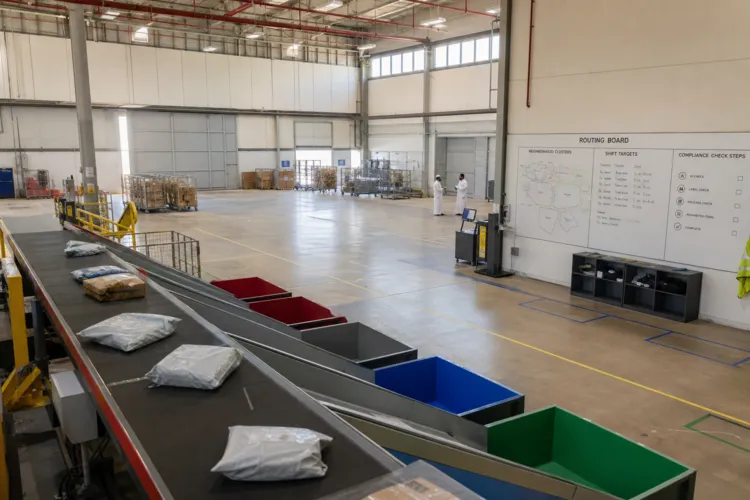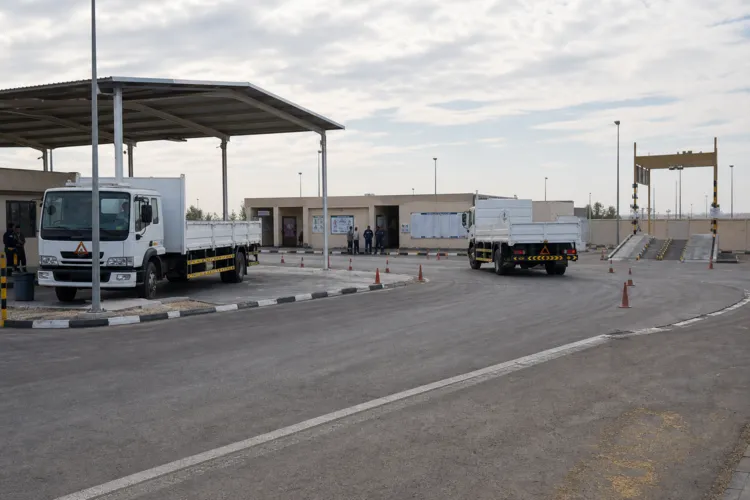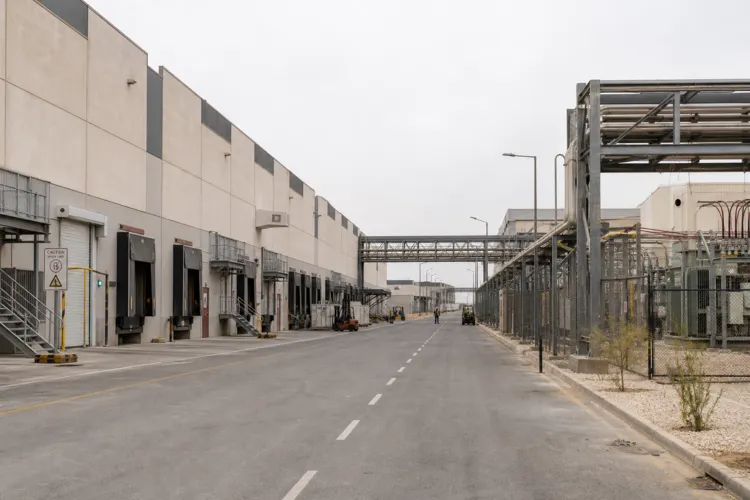
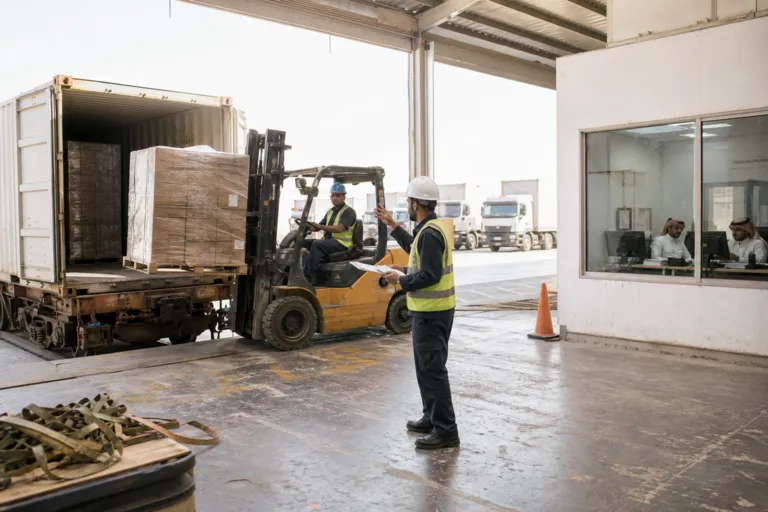
Saudi Arabia’s transport and logistics agenda is being designed as one connected national network, spanning airports, ports, rail, road freight, logistics zones, and dry ports. Vision2030.ai describes this integration challenge directly: customs, trucking, port throughput, air cargo, and last-mile delivery must perform together. In that context, dry ports are increasingly framed as inland nodes that reduce trade friction by shifting parts of the customs and release process away from crowded waterfronts and toward inland consumption and industrial centers such as Riyadh. This matters because road freight remains a major anchor for domestic distribution, where domestic movements represented 61.25% of the Saudi Arabia road freight transport market in 2025, according to Mordor Intelligence.
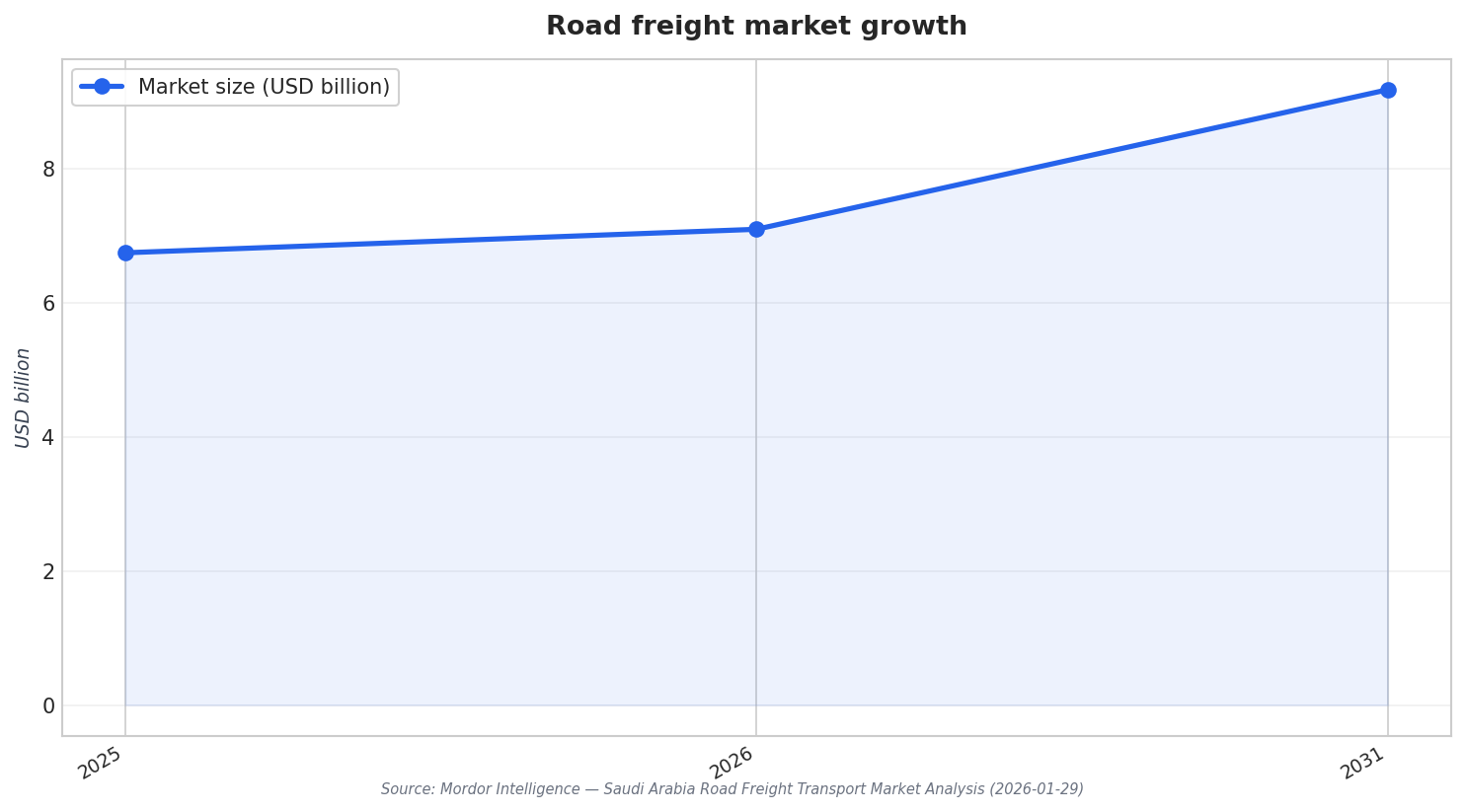
The underlying demand signal is that freight volumes, shipment fragmentation, and multimodal expectations are rising together. Mordor Intelligence forecasts the Saudi Arabia road freight transport market to grow from USD 6.74 billion in 2025 to USD 7.09 billion in 2026, reaching USD 9.17 billion by 2031 at a 5.27% CAGR (2026–2031). The same source notes that containerized revenues are projected to increase at a 5.45% CAGR between 2026 and 2031, supported by port automation and inland depots, a dynamic that aligns closely with the role of dry ports as inland customs and container-handling extensions. Meanwhile, Nexdigm reports that in 2023 the government allocated budget to expand freight railway capacity to 12.8 million tons and 800,000 TEU-equivalent units via railway upgrades and dry-port development.
What Is Driving Inland Customs Clearance in Practice?
Rail connectivity and bonded logistics infrastructure are two concrete enablers of inland customs clearance. In April 2026, Saudi Arabia Railways (SAR) launched five new freight logistics corridors spanning more than 2,500 kilometers, connecting gateways including Jeddah Islamic Port, King Abdulaziz Port in Dammam, and King Abdullah Port with inland dry ports, industrial cities, logistics hubs, and neighboring GCC markets, according to an EIN Presswire release. Separately, Mordor Intelligence highlights a bonded-zone scale-up: the Special Integrated Logistics Zone at King Khalid International Airport spans 32 million ft² and provides duty-deferred storage and automated clearance, with average e-parcel customs release times reported as below two hours. Together, these moves support a model where customs processes can be performed closer to inland demand and rail-linked distribution.
Planning signals also point to a broader inland-node buildout. Mordor Intelligence describes a Vision 2030-linked PPP pipeline for dry ports and inland container depots (ICDs), citing fifty-nine inland logistics centers covering 100 million m² under a Master Plan that encourages private investment via 30-year concessions, tax holidays, and utility rebates. This shift is not only about infrastructure quantity; it is about operational relief across the Riyadh–Dammam–Jeddah triangle, where Mordor Intelligence notes congestion and other constraints that elevate operating costs and intensify the need for technology-driven efficiency. Inland clearance nodes can also complement rail freight’s measurable base: Vision2030.ai cites GASTAT reporting 6,807 SAR freight trips and more than 15.6 million tons of goods moved by rail in 2024.
For shippers and logistics providers, the rise of Saudi dry ports inland customs capabilities sits inside a wider push to modernize trade flows and service levels. The GCC courier, express, and parcel (CEP) market offers a useful regional lens: Mordor Intelligence estimates the GCC CEP market at USD 4.15 billion in 2026, with Saudi Arabia leading at 34.92% revenue share in 2025. In the same report, international parcels are projected to expand at a 7.22% CAGR (2026–2031), alongside growth narratives tied to harmonized customs procedures and digital platforms. For Saudi Arabia specifically, the story is increasingly about turning multimodal corridors and inland nodes into a single operating system where rail-linked dry ports, bonded zones, and road distribution work together to reduce delay and improve release predictability.
What role do Saudi Arabia’s dry ports play as inland customs clearance nodes?
Which recent rail development connects seaports to inland dry ports?
What is one example of bonded-zone customs facilitation mentioned in the sources?
How large is the planned inland logistics center pipeline tied to dry ports and ICDs?
Talk to us for your needs in:
- Identifying Suitable Warehouse Sites in Saudi Arabia
- Customized Logistics and Supply Chain Analytics
- Logistics Network Design and Optimization
- Green Supply Chain and Sustainable Logistics Solutions
- Supply Chain Risk Management and Compliance
- Advanced Supply Chain Resilience and Agility
- Logistics Market Research and Strategic Analysis
- In-Depth Market Survey for Logistics
- Market Intelligence and Insights in Logistics
- Feasibility Study and Assessment in Logistics
- Integrated Warehousing Management Solutions
- Smart Warehousing and Automation Systems
- Sustainable and Green Warehousing Practices
- Port and Airport Logistics Optimization
- Digital Logistics Solutions
- Saudi Logistics Benchmarking