Interest in the “Saudi freight market 154 billion” topic reflects how fast logistics is changing in the Kingdom. Still, the market-size figures cited for 2026 are not consistent across sources. One forecast estimates Saudi Arabia freight and logistics at USD 63.70 billion in 2026, with expansion to USD 97.39 billion by 2035 at a 4.83% CAGR. Another source values the market at USD 48.7 billion in 2026 and projects USD 100.65 billion by 2035. A separate listing states the market size was USD 36.71 billion in 2025 and was estimated to grow to USD 38.59 billion (year not fully visible in the excerpt). These ranges show why readers should focus on underlying drivers, not only a single headline number.
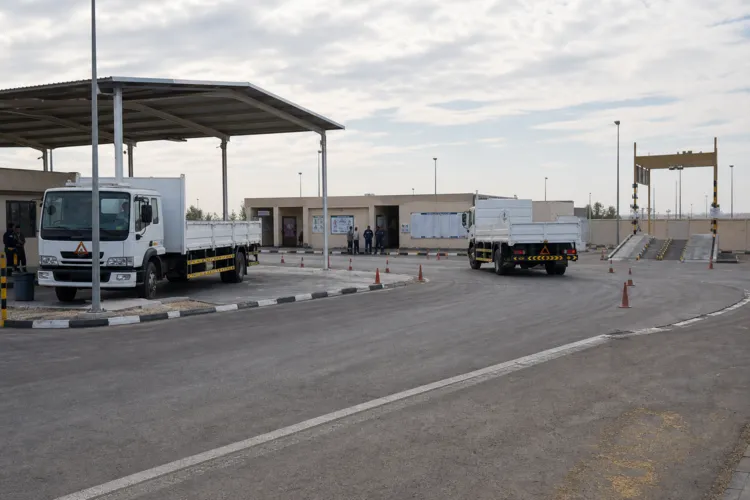
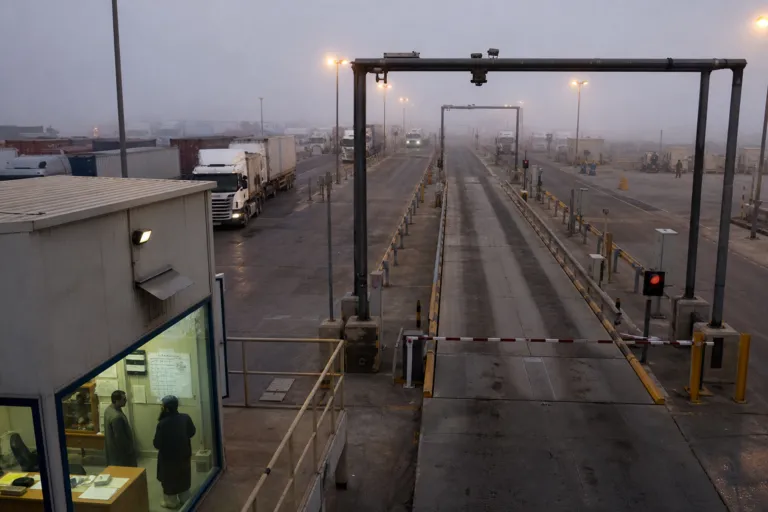
Freight mode mix and volume provide a more concrete view of demand. Road freight transport accounts for 65% of total freight volume in Saudi Arabia, with 1.2 billion tons annually (2022). Sea freight contributes 25% of total freight volume, with 500 million tons annually, primarily via Saudi ports. Air cargo volume reached 1.5 million tons in 2022, with an 8% CAGR since 2020. These figures point to a logistics system where road remains dominant, seaports anchor bulk movement, and air cargo grows quickly for time-sensitive shipments. For operators, this combination raises the value of intermodal planning and network resilience across road corridors, ports, and airports.
Infrastructure, Zones, and Mega-Projects Reshape Capacity
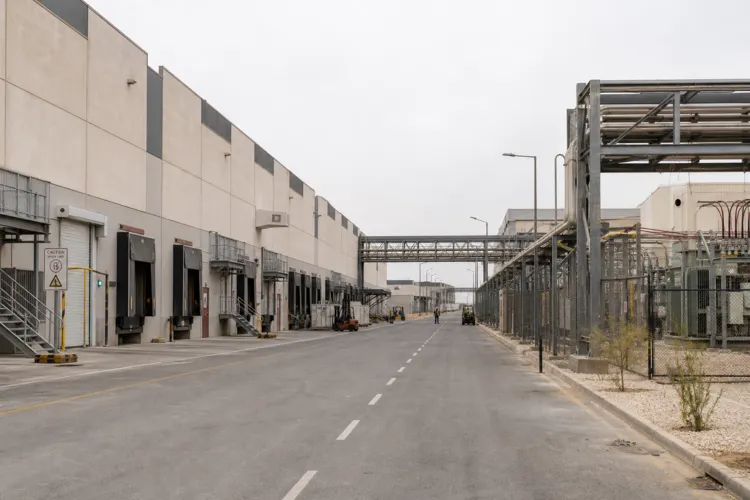
Several capacity and investment signals in the sources help explain why forward-looking projections remain upbeat. King Abdullah Port (KAP) has a design capacity of 30 million TEUs per annum, a scale that can support large container throughput as trade patterns evolve. Saudi Arabia also has 12 official logistics zones approved by the Saudi Logistics Zone Authority (SLZA) as of 2023, a structural push that can concentrate warehousing, value-added services, and customs processes. On the land-transport side, the Red Sea Rail project connecting Jeddah to Al Khobar is described as 1,800 km in total length with a USD 32 billion investment. Together, these data points highlight the role of ports, designated zones, and rail connectivity in enabling higher volumes and more reliable lead times.
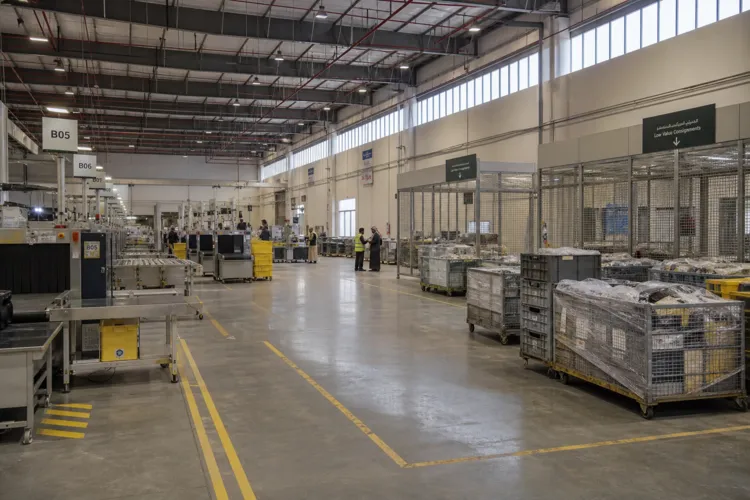
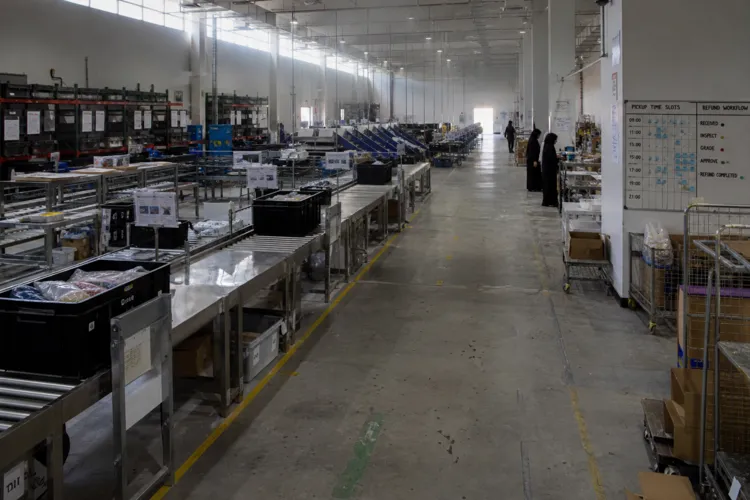
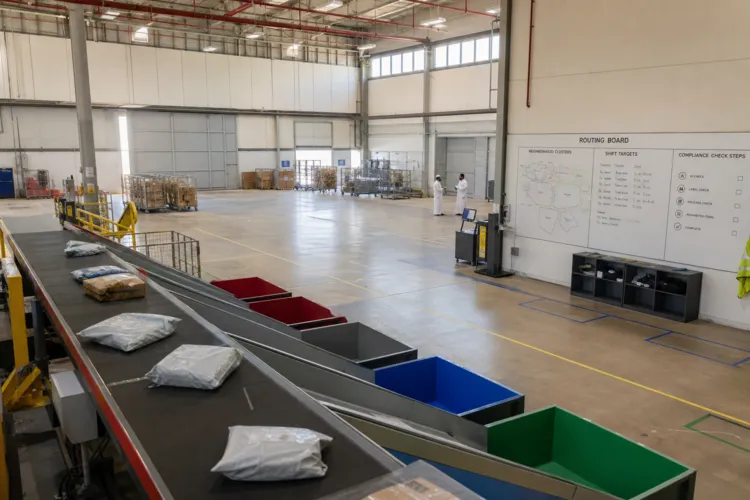
E-commerce and last-mile expectations also add pressure for speed and service quality. The Saudi e-commerce logistics market is projected to grow from USD 12 billion in 2023 to USD 22 billion by 2027 (CAGR 17%). Demand is reinforced by consumer expectations: 75% of Saudi online shoppers expect deliveries within 24 hours. In parallel, Saudi Post handles 80% of e-commerce deliveries in the country, with 250 million packages annually, underscoring how parcel networks can influence the broader freight ecosystem through line-haul, sorting, and last-mile capacity requirements. For logistics providers, these dynamics connect directly to fleet utilization, warehouse layout decisions, and the need for predictable delivery windows.
Operational modernization and sustainability targets are advancing at the same time. Deloitte data cited in the sources indicates 55% of Saudi logistics firms have implemented warehouse management systems (WMS) to improve efficiency, while McKinsey figures show IoT sensors are used in 40% of Saudi warehouses to track inventory and shipments in real time. AI adoption in logistics grew by 35% in 2022, and 20% of firms use AI for demand forecasting. On emissions, the logistics sector contributes approximately 8% to Saudi Arabia’s total carbon emissions (2022), and the Saudi Green Initiative (SGI) aims to reduce the logistics sector’s carbon footprint by 30% by 2030. The sources also note that 25% of logistics providers use electric vehicles, with 5,000+ EVs on the road, linking decarbonization to fleet strategy.
Is the Saudi freight market expected to reach 154 billion in 2026?
What freight mode carries the most volume in Saudi Arabia?
How large is King Abdullah Port’s container capacity?
What is the Red Sea Rail project’s scale and investment?
How fast is Saudi e-commerce logistics projected to grow?
Talk to us for your needs in:
- Identifying Suitable Warehouse Sites in Saudi Arabia
- Customized Logistics and Supply Chain Analytics
- Logistics Network Design and Optimization
- Green Supply Chain and Sustainable Logistics Solutions
- Supply Chain Risk Management and Compliance
- Advanced Supply Chain Resilience and Agility
- Logistics Market Research and Strategic Analysis
- In-Depth Market Survey for Logistics
- Market Intelligence and Insights in Logistics
- Feasibility Study and Assessment in Logistics
- Integrated Warehousing Management Solutions
- Smart Warehousing and Automation Systems
- Sustainable and Green Warehousing Practices
- Port and Airport Logistics Optimization
- Digital Logistics Solutions
- Saudi Logistics Benchmarking