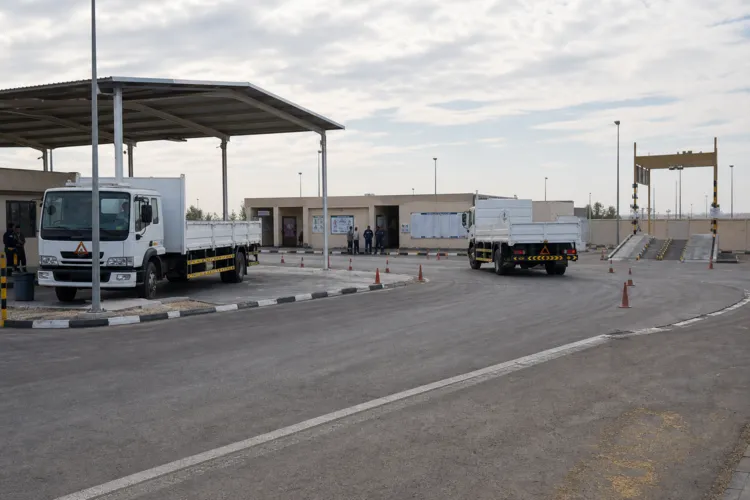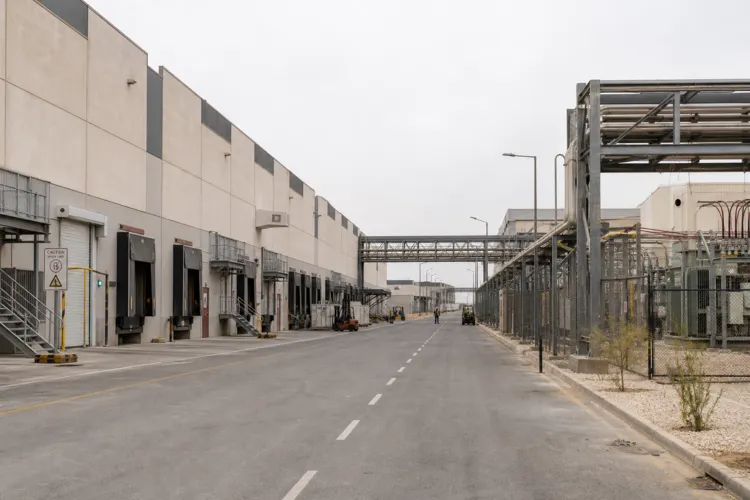
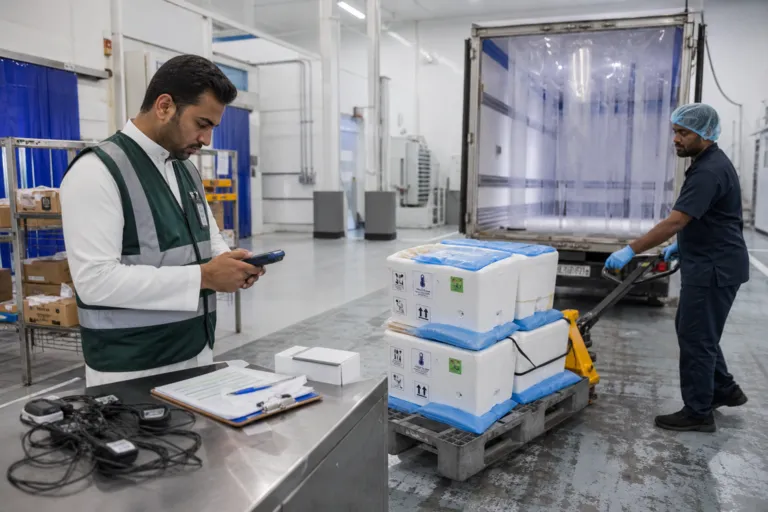
Saudi pharma cold chain imports are forcing faster upgrades in how medicines are stored, moved, and tracked. Many modern products can be damaged by even small temperature shifts. That makes cold chain capacity a core part of healthcare logistics, not a “nice to have.” Saudi Arabia’s cold chain market is also scaling fast, supported by logistics infrastructure investment and stricter expectations around product integrity.
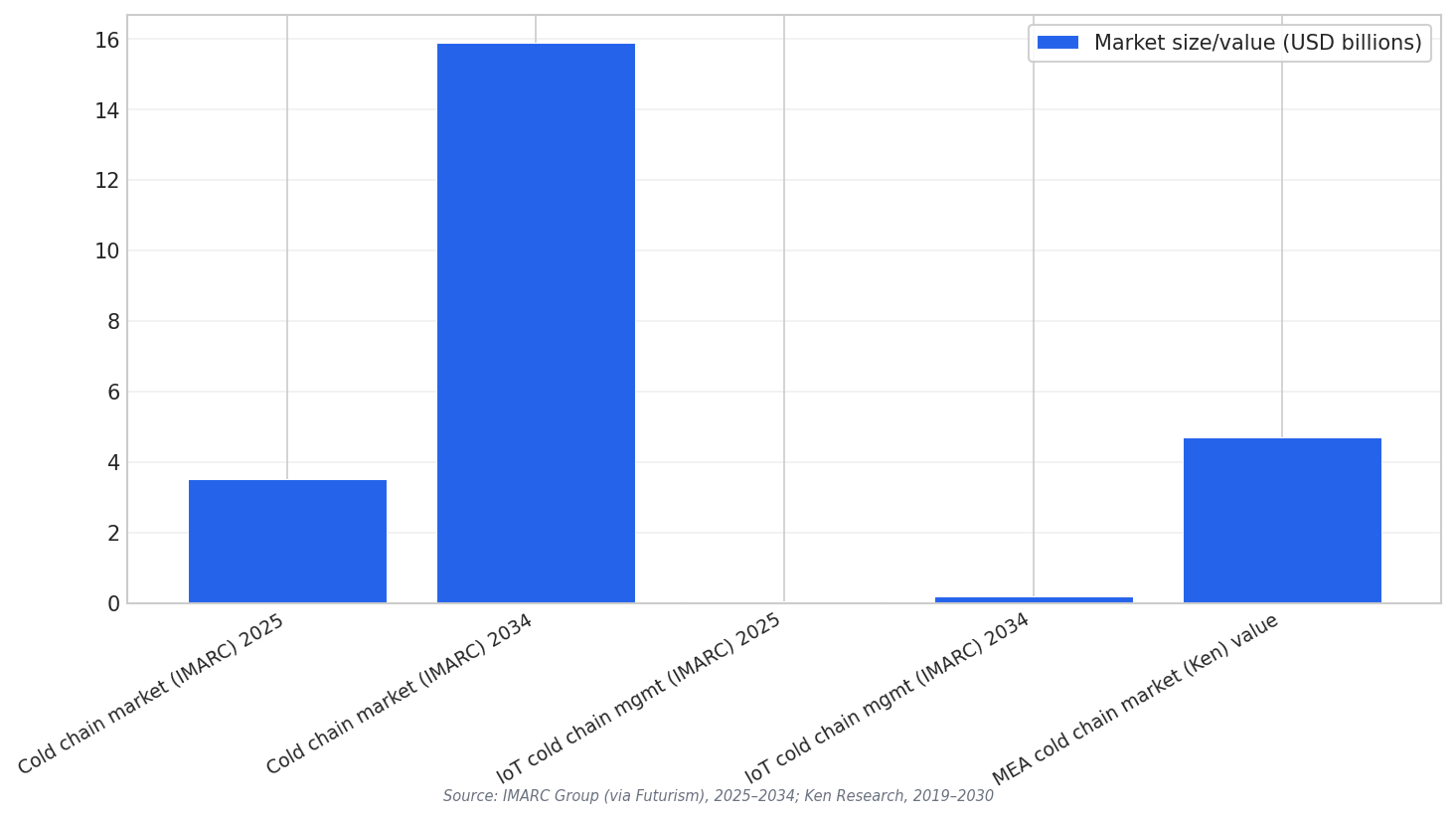
Multiple market indicators show why investment is accelerating now. IMARC Group valued the Saudi Arabia cold chain market at USD 3.5 billion in 2025 and projects it will reach USD 15.9 billion by 2034. A second IMARC dataset shows the Saudi Arabia IoT based cold chain management market at USD 56.1 million in 2025, with a projection of USD 174.4 million by 2034. Ken Research also values the Saudi Arabia MEA cold chain market at USD 4.7 billion.
Regulation is another major driver. A Saudi pharma logistics source notes that the Saudi Food and Drug Authority (SFDA) is mandating barcoded tracking for all pharmaceutical imports and enforcing cold chain certification. It also says the SFDA has ramped up investments in Good Distribution Practice (GDP)-compliant infrastructure, after the COVID-19 period stress-tested the network with freezers, GPS-monitored vans, and temperature sensors.
Why Visibility Tech Is Becoming Non-Negotiable
Cold chain investment is also moving toward real-time monitoring and smarter operations. One Saudi cold chain analysis says AI-powered IoT sensors can deliver real-time monitoring and cut product spoilage by up to 40% across pharmaceutical and food distribution networks. It also describes AI platforms achieving 20% reductions in cooling energy use through real-time monitoring and dynamic optimization. These gains make technology spending easier to justify, because it protects product quality while improving efficiency.
Vision 2030 is widening the scope. A cold chain market source describes logistics modernization that prioritizes temperature-controlled warehousing, refrigerated transportation, and advanced monitoring systems. It also cites the Saudi Logistics Hub initiative aiming to attract USD 10 billion in foreign investment. The same source points to major port expansions at King Abdullah Port and Jeddah Islamic Port and railway network expansion targeting 8,000 kilometers, all of which improve national distribution reach.
At the pharma level, cold chain readiness is still a constraint. A Saudi logistics consulting source says Saudi Arabia’s pharma logistics market reached USD 1.19 billion in 2023, but it also exposes a weakness in cold chain readiness. It adds that only a limited number of providers meet SFDA standards, and the gap is especially visible for advanced therapies that cannot tolerate even small deviations. With Public Investment Fund–backed initiatives like Lifera, launched in 2023 to localize biologics manufacturing, the pressure to expand high-standard cold chain capability keeps rising.
What is pushing Saudi pharma cold chain imports to grow faster?
How big is Saudi Arabia’s cold chain market, based on the sources?
What technologies are being adopted in Saudi cold chain logistics?
What is the role of SFDA in pharma cold chain compliance?
Talk to us for your needs in:
- Identifying Suitable Warehouse Sites in Saudi Arabia
- Customized Logistics and Supply Chain Analytics
- Logistics Network Design and Optimization
- Green Supply Chain and Sustainable Logistics Solutions
- Supply Chain Risk Management and Compliance
- Advanced Supply Chain Resilience and Agility
- Logistics Market Research and Strategic Analysis
- In-Depth Market Survey for Logistics
- Market Intelligence and Insights in Logistics
- Feasibility Study and Assessment in Logistics
- Integrated Warehousing Management Solutions
- Smart Warehousing and Automation Systems
- Sustainable and Green Warehousing Practices
- Port and Airport Logistics Optimization
- Digital Logistics Solutions
- Saudi Logistics Benchmarking