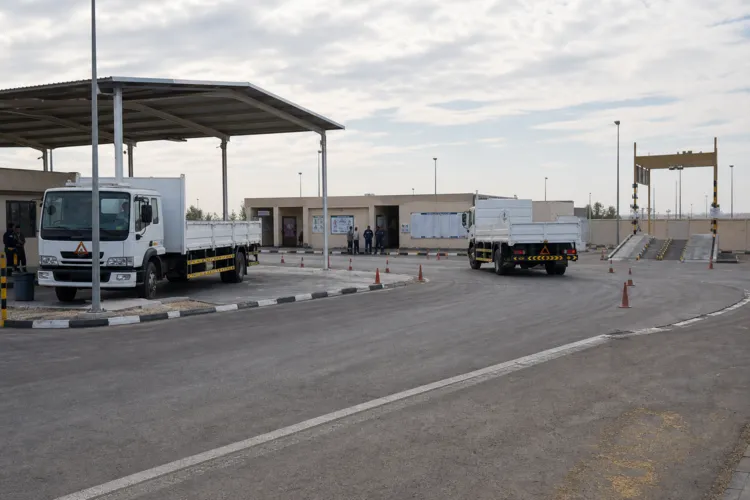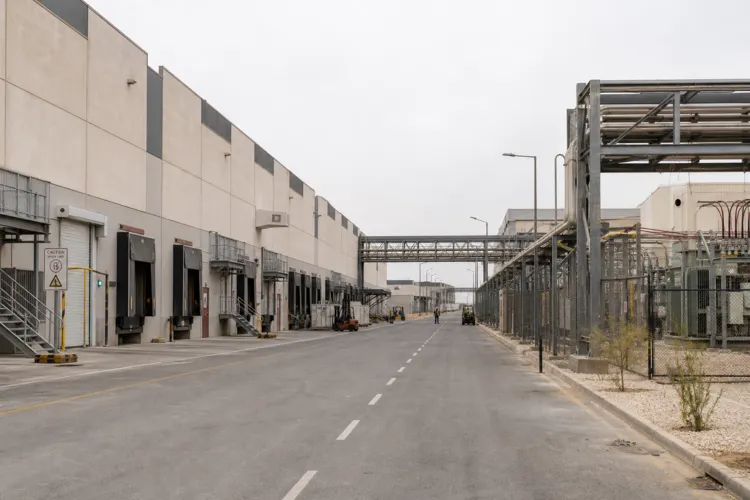
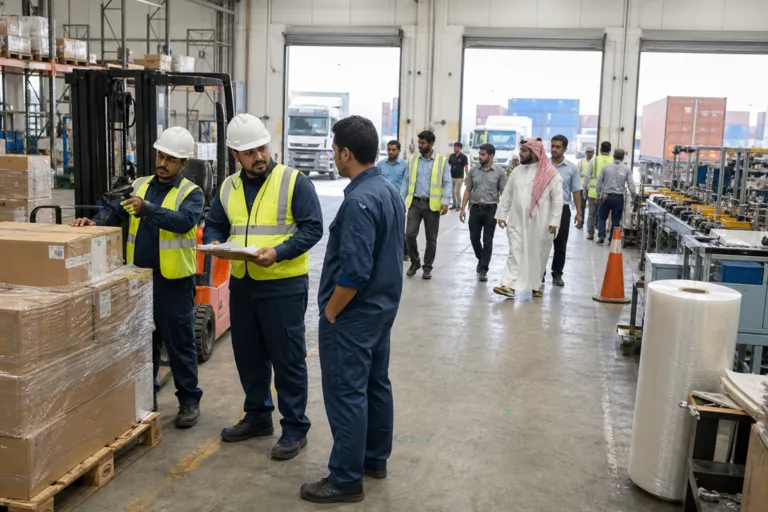
These NIDLP Vision 2030 updates 2026 show a program that is moving from plans to measurable outputs. The National Industrial Development and Logistics Program (NIDLP) launched in January 2019. It focuses on four pillars: industry, mining, energy, and logistics. Its stated purpose is to help transform Saudi Arabia into a leading industrial powerhouse and a global logistics hub by developing these sectors and strengthening integration.
By the end of 2025, NIDLP sectors recorded a real GDP of SR790 billion, reflecting 5% growth. In the same reporting, non-oil merchandise exports exceeded SR265 billion, an 18% increase compared to the previous period. Non-governmental investments under the program reached SR719 billion. The number of licensed industrial facilities surpassed 12,500. The localization rate of military spending increased to 24.89%.
It also helps to look at the delivery structure. NIDLP is tracked as a Vision 2030 delivery question with a focus on target, current data, gap, and the institutions that must move for the number to improve. The program brings together key entities tied to industrial transformation, including MODON, the Saudi Industrial Development Fund (SIDF), and the Ministry of Industry and Mineral Resources. This coordination links financing, industrial land development, and sector growth.
What 2026 Signals: Bigger Factories, Faster Incentives
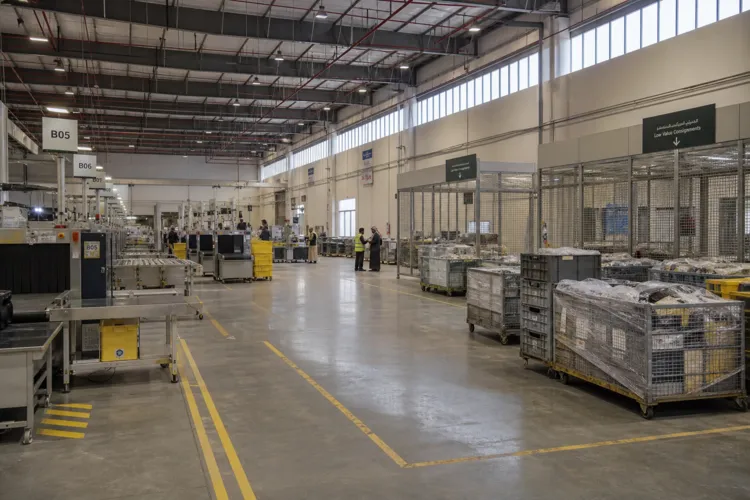
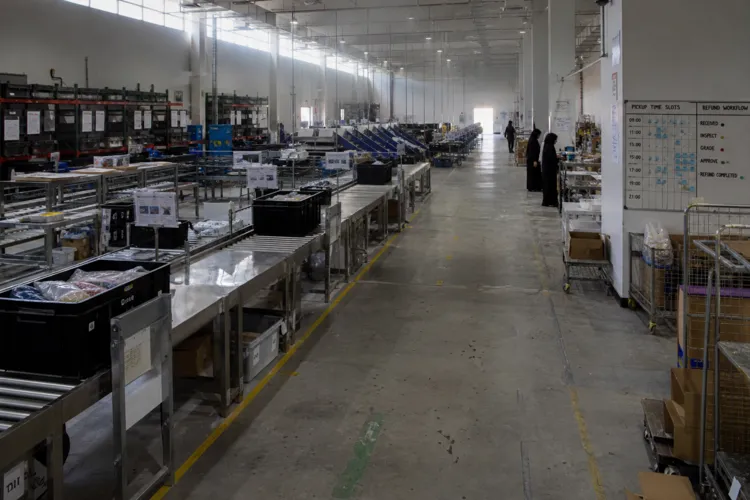
In 2026, “Made in Saudi” is described as a strategic necessity to reduce overdependence on imports and improve resilience against supply chain disruption. The same source links this push to a Vision 2030 goal: increase non-oil exports to 50% of non-oil GDP by 2030. It also gives clear examples of scale. On May 12, Schneider Electric confirmed it will nearly triple manufacturing capacity to 32 production lines to meet demand tied to data centers and AI compute.
Industrial expansion is not only about equipment. The Ministry of Industry and Mineral Resources launched an updated “Industrial Enablers and Incentives Guide.” It is described as a tool that streamlines the investor journey, with digital maturity assessments and concessional financing through the Future Factories Program. The goal is to transform traditional factories into smart, AI-driven hubs so products stay globally competitive in quality and price.
Other 2026 reporting shows how industrial cities support NIDLP delivery. The Royal Commission for Jubail and Yanbu said total investments in its industrial cities exceeded SR1.5 trillion ($400 billion) by the end of 2025. Separate NIDLP documentation describes a budget envelope exceeding SAR 1.3 trillion across its delivery horizon. In manufacturing, NIDLP aims to increase manufacturing’s GDP contribution to 20% and supports supply chain localization through the IKTVA framework, plus new industrial and special economic zones.
What do NIDLP Vision 2030 updates 2026 show in simple terms?
What are the four pillars of NIDLP?
Which institutions help deliver NIDLP on the ground?
How is “Made in Saudi” connected to NIDLP progress in 2026?
What concrete signs of industrial expansion were reported in 2026?
Talk to us for your needs in:
- Identifying Suitable Warehouse Sites in Saudi Arabia
- Customized Logistics and Supply Chain Analytics
- Logistics Network Design and Optimization
- Green Supply Chain and Sustainable Logistics Solutions
- Supply Chain Risk Management and Compliance
- Advanced Supply Chain Resilience and Agility
- Logistics Market Research and Strategic Analysis
- In-Depth Market Survey for Logistics
- Market Intelligence and Insights in Logistics
- Feasibility Study and Assessment in Logistics
- Integrated Warehousing Management Solutions
- Smart Warehousing and Automation Systems
- Sustainable and Green Warehousing Practices
- Port and Airport Logistics Optimization
- Digital Logistics Solutions
- Saudi Logistics Benchmarking