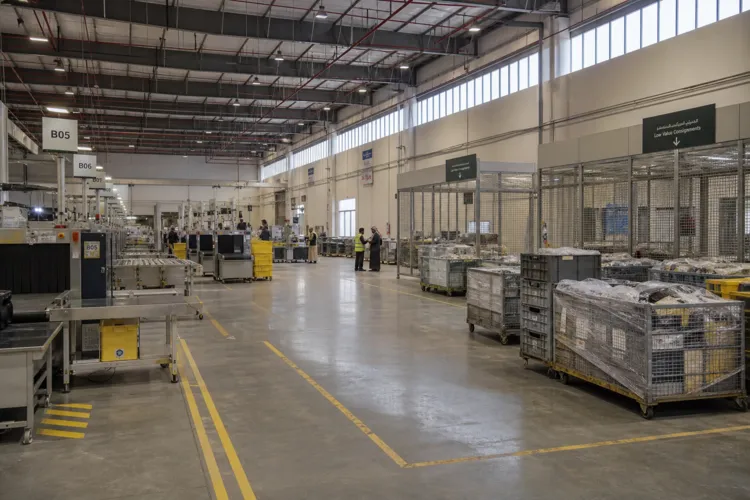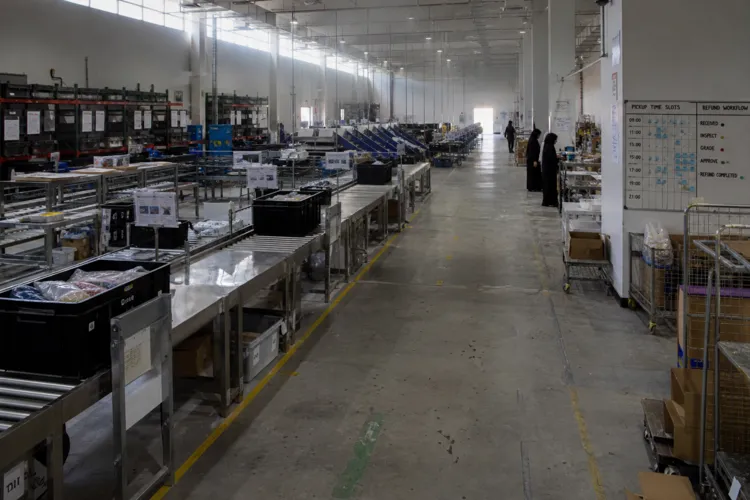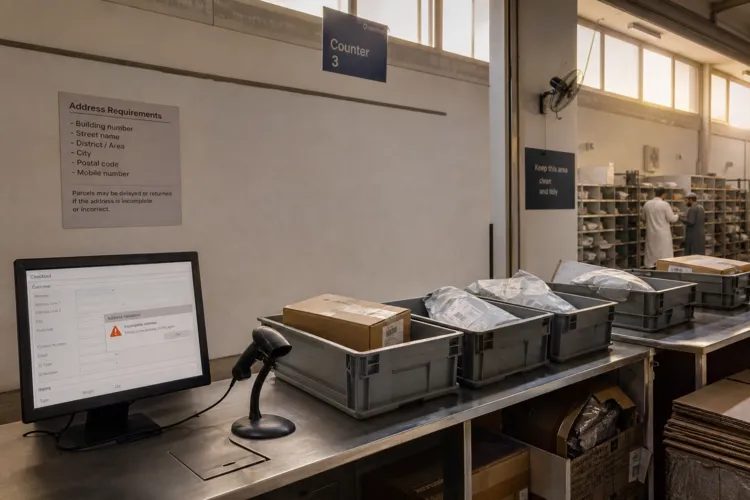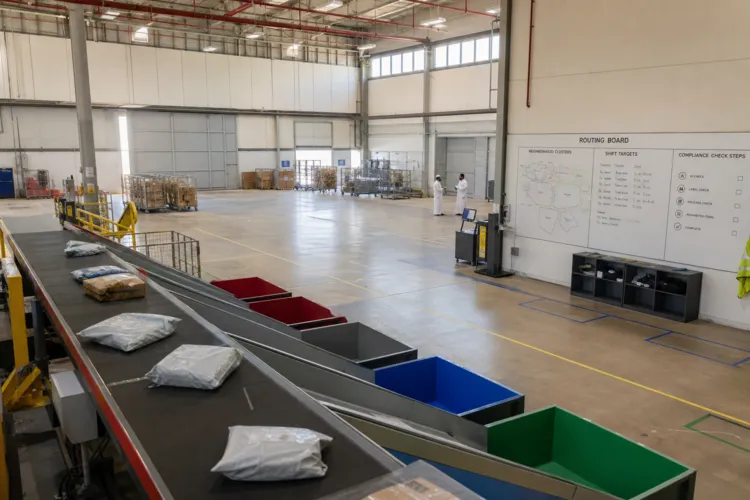

In March 2026, Saudia Cargo, the Saudi Ports Authority (Mawani), and the Zakat, Tax and Customs Authority (ZATCA) launched a sea-to-air logistics corridor through Saudi Arabia’s western ports. The core operating concept is practical: ocean cargo lands at a Red Sea gateway—chiefly Jeddah Islamic Port—then transfers to air freight for onward distribution across the region and into Africa and Europe. The corridor’s value is not just proximity between port and airport. It is the administrative design, built to reduce friction for high-value, time-sensitive categories, including pharmaceuticals, healthcare products, electronics, perishables, and express shipments.
The corridor is built around a single transit framework that links the sea and air gateways under one customs declaration. In practice, that means a consignment can move with pre-clearance and “smart inspection,” rather than being processed as two separate clearances. The GetTransport analysis frames the outcome in operational terms: the goal is to move a box from berth to runway in a fraction of the usual dwell time. That time compression is exactly what cold chain and healthcare logistics need, and it also aligns with express e-commerce patterns where speed and predictability matter more than the lowest per-kilo rate.
Why Pharma and E-commerce Benefit From the Jeddah Sea-and-air Link
For pharmaceuticals and healthcare goods, the point of the Jeddah setup is to combine sea rates for most of the journey with air speed for the leg that matters. The corridor then hands shipments into Saudia Cargo’s network, which GetTransport describes as reaching roughly 100 airport destinations. That scale supports multi-market distribution without forcing shippers into a single final-market airport. It also arrives at a moment when demand pressures are visible across the logistics chain. By H1 2025, national warehouse occupancy in Saudi Arabia reached approximately 97–98% across key hubs including Riyadh, Jeddah, and Dammam, reflecting sustained demand from e-commerce operators, healthcare distributors, and 3PLs.
The broader context is a Saudi logistics hub strategy rather than a one-off service. GetTransport places the corridor inside the National Transport and Logistics Strategy launched in June 2021 under Vision 2030, backed by about USD 133 billion of planned investment and a stated aim of becoming a top-ten global logistics hub connecting three continents. The same source notes that roughly 13% of world trade already passes nearby, which helps explain why berth-to-runway optimization in Jeddah can matter beyond a single domestic supply chain. On the seaport side, Jeddah Islamic Port handled just over 3 million TEU in 2024, and the source states it now carries capacity above 10 million TEU, with King Abdullah Port adding another 5 million TEU of capacity.
The 2026 routing conversation is also shaped by risk management. GetTransport notes that uncertainty around the Strait of Hormuz pushed cargo owners to look for gateways that do not depend on a single chokepoint, increasing interest in Saudi Red Sea options. To support new patterns, Mawani has stood up feeder services such as the Red Sea Express linking Jeddah and Yanbu with Egypt’s Ain Sokhna and Jordan’s Aqaba. Against this backdrop, the Saudia Cargo sea-to-air corridor positions Jeddah as a transfer point where documentation, customs design, and network reach are intended to reduce handoffs and compress the time between vessel discharge and flight uplift for pharma and high-value e-commerce.
What is the Saudia Cargo sea-to-air corridor in Jeddah designed to do?
How does the corridor cut berth-to-runway time?
Which cargo categories are highlighted as key users of the corridor?
What scale does Saudia Cargo’s onward air network provide from the corridor?
What port capacity and throughput figures are cited for Jeddah and nearby gateways?
Talk to us for your needs in:
- Identifying Suitable Warehouse Sites in Saudi Arabia
- Customized Logistics and Supply Chain Analytics
- Logistics Network Design and Optimization
- Green Supply Chain and Sustainable Logistics Solutions
- Supply Chain Risk Management and Compliance
- Advanced Supply Chain Resilience and Agility
- Logistics Market Research and Strategic Analysis
- In-Depth Market Survey for Logistics
- Market Intelligence and Insights in Logistics
- Feasibility Study and Assessment in Logistics
- Integrated Warehousing Management Solutions
- Smart Warehousing and Automation Systems
- Sustainable and Green Warehousing Practices
- Port and Airport Logistics Optimization
- Digital Logistics Solutions
- Saudi Logistics Benchmarking