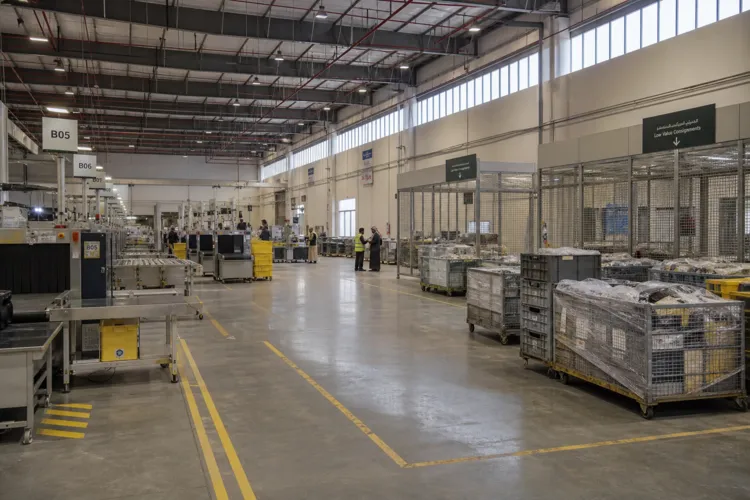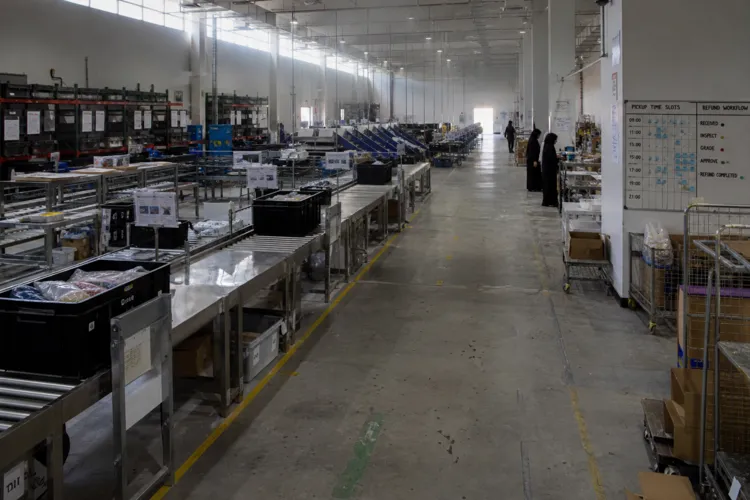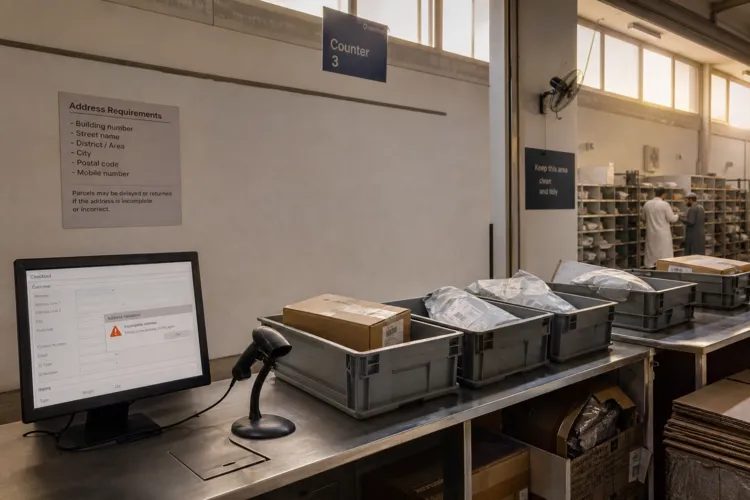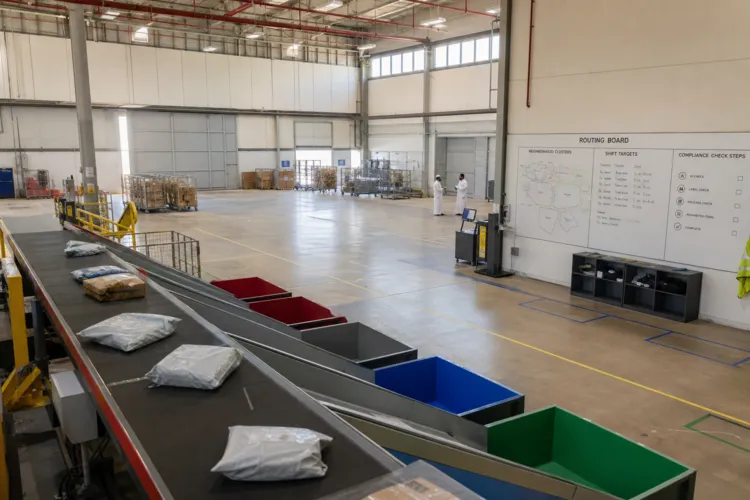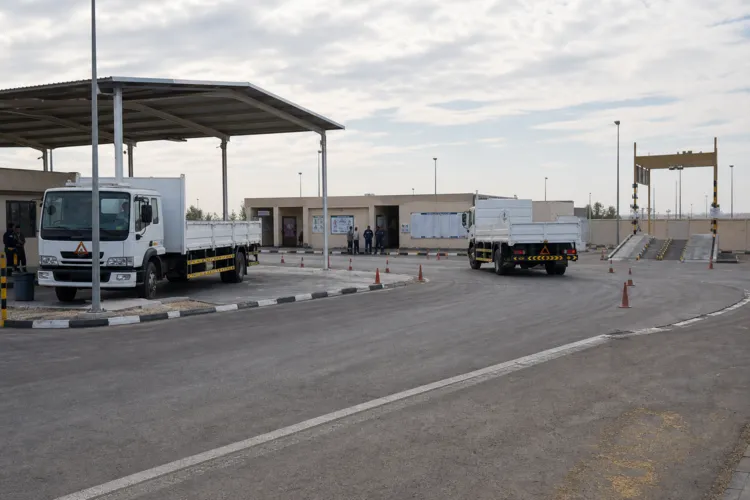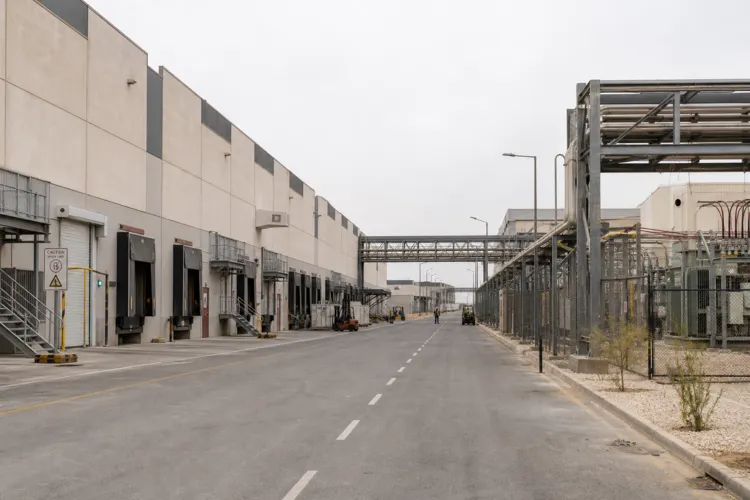
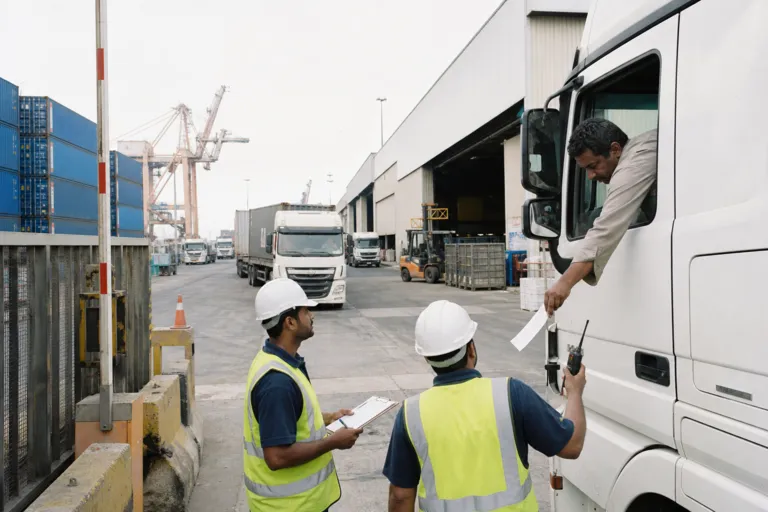
Maersk’s push to raise fulfillment performance in the Red Sea is showing up in Jeddah. At Jeddah Islamic Port, Maersk and DP World have both made significant investments in integrated logistics capacity. The stated aim is to link the quay to warehousing, distribution, and inland transport. That combination is positioned as a way for customers to gain better connectivity and more integrated logistics support across the supply chain. Against that backdrop, the Maersk Jeddah logistics zone narrative fits a broader, port-wide shift toward faster, more coordinated cargo flows rather than standalone terminal operations.
Physical scale and port fundamentals help explain why Jeddah is a focal point. Jeddah Islamic Port spans 12.5 square kilometers. It includes 62 multi-purpose berths, plus specialized terminals and what is described as state-of-the-art facilities. That base matters when fulfillment demand spikes. During a period of regional disruption, officials at the port told CNN that increased demand would be reflected in a 50% surge in arrivals in two weeks. For shippers, this kind of near-term surge tests whether warehousing links, truck routing, and gate processes can keep cargo moving once it lands.
Corridors, Terminals, and Stakes: The Operating Model Shifts
One of the clearest fulfillment enablers is the dedicated, direct logistics corridor being executed by Mawani. The project value exceeds SAR 689 million. It is designed to link Jeddah Islamic Port with the Al-Khumrah Logistics Park through a 17-kilometer corridor with two lanes in each direction. The plan includes 12 bridges along the route to facilitate truck movement while eliminating the need to use the city’s internal road network. It also includes emergency access points, maintenance facilities, and a complete rainwater drainage system, aligning operational efficiency with smoother, more predictable inland transfers.
On the terminal side, DP World and APM Terminals announced a strategic partnership in the Southern Container Terminal at Jeddah Islamic Port. Under the agreement, APM Terminals will acquire a 37.5% minority stake, while DP World retains a 62.5% majority shareholding and continues to lead operations. The partnership is framed as enhancing Jeddah’s role as a vital gateway to Saudi Arabia and a key Red Sea hub connecting trade flows between Asia, Europe, and Africa. The same report notes both DP World and Maersk investments in integrated logistics capacity inside the port, reinforcing a single, connected operating model.
Jeddah’s momentum is also reflected in parallel investment signals around the port complex. Seatrade reported a planned $450 million Terminal 4 investment intended to deliver new infrastructure, advanced handling equipment, and digital and sustainability capabilities. Separately, Saudi Global Ports began operations at the Jubail Container Terminal under a long-term privatization agreement spanning 30 years, with SGP planning to invest SAR 2 billion over the concession period to upgrade infrastructure and deploy advanced equipment. While those figures span different locations and currencies, they point in the same direction: logistics capacity is being built as an integrated system.
For customers evaluating the Maersk Jeddah logistics zone proposition, the takeaway is practical. The corridor is designed to streamline cargo and container movement and enhance supply chain efficiency, with benefits for transporters, importers, exporters, logistics park users, and shipping lines. During periods when food and medicine are prioritized, or when rerouting forces rapid port surges, fulfillment performance depends on how quickly boxes can move from berth to warehouse to truck. In Jeddah, the emphasis is shifting toward connectivity, direct routing, and integrated support that reduces friction across every handoff.
What is the Maersk Jeddah logistics zone intended to improve?
How long is the new logistics corridor linking Jeddah Islamic Port to Al-Khumrah Logistics Park?
What major structures are planned along the corridor?
Who controls the Southern Container Terminal partnership and what are the stake percentages?
What near-term demand change did officials at Jeddah Islamic Port tell CNN to expect?
Talk to us for your needs in:
- Identifying Suitable Warehouse Sites in Saudi Arabia
- Customized Logistics and Supply Chain Analytics
- Logistics Network Design and Optimization
- Green Supply Chain and Sustainable Logistics Solutions
- Supply Chain Risk Management and Compliance
- Advanced Supply Chain Resilience and Agility
- Logistics Market Research and Strategic Analysis
- In-Depth Market Survey for Logistics
- Market Intelligence and Insights in Logistics
- Feasibility Study and Assessment in Logistics
- Integrated Warehousing Management Solutions
- Smart Warehousing and Automation Systems
- Sustainable and Green Warehousing Practices
- Port and Airport Logistics Optimization
- Digital Logistics Solutions
- Saudi Logistics Benchmarking