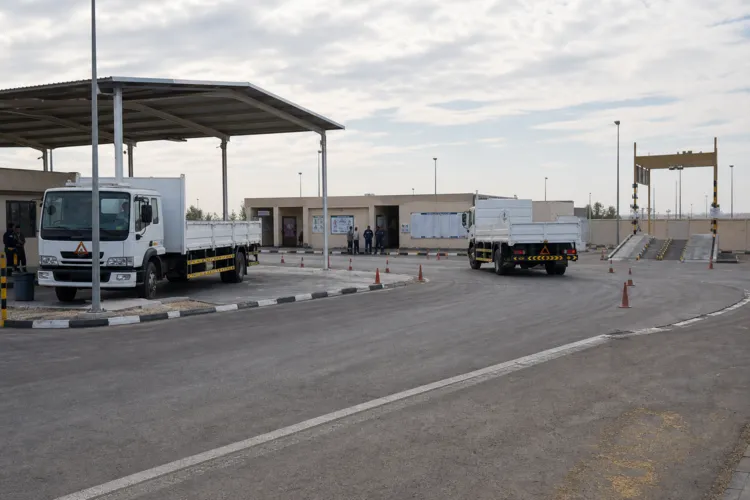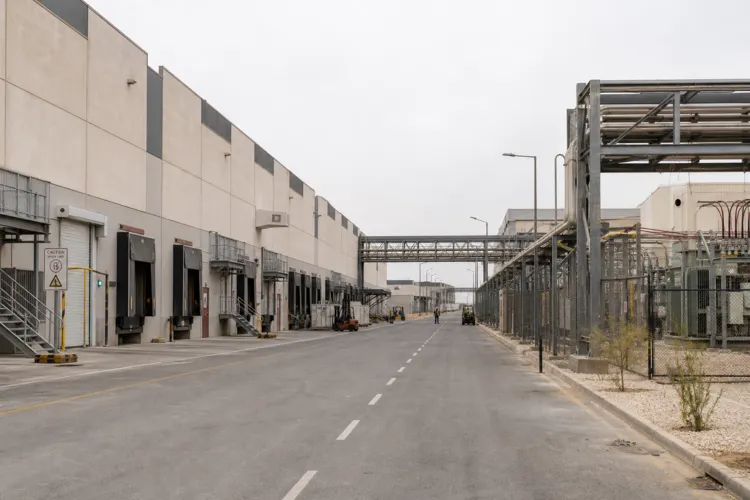
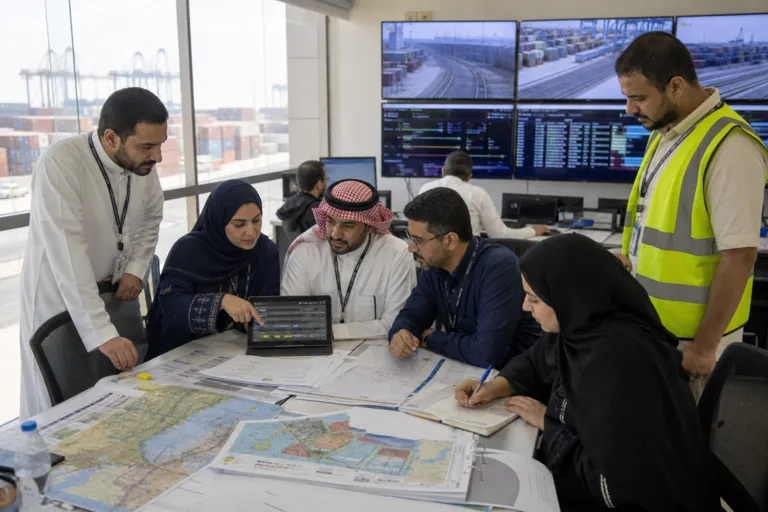
In 2026, the conversation around the Kingdom’s next steps is changing. A Reuters report cited Saudi Arabia’s investment minister saying that 85% of Vision 2030 targets were completed or on track as of the end of 2024. The same report also noted delays and recalibrations, pointing to economic headwinds and logistical constraints. That mix of progress and pressure frames what “Vision 2030 third phase logistics” can mean in practice: fewer vague ambitions and more decisions that improve reliability, efficiency, and delivery of essential infrastructure. The third phase is also shaped by Riyadh’s push to attract global business activity, with 675 companies’ regional headquarters now located in the capital, according to the same Reuters update.
A key signal for where logistics reform goes next is digital rail. Ericsson signed a Memorandum of Understanding with the Saudi Railway Company to introduce 5G and Future Railway Mobile Communication System technologies across the Kingdom’s rail network. The collaboration includes 5G-based infrastructure and applications such as real-time video, train control, and IoT connectivity. It also includes an innovation centre for testing new solutions and a focus on training SAR’s workforce in advanced communication systems. The report explicitly ties the initiative to Vision 2030 and the National Transport and Logistics Strategy, which aim to make the Kingdom a global logistics hub supported by digital transformation and advanced infrastructure.
Maritime Logistics Moves From Vision to Execution
Maritime logistics remains positioned as a pillar of the broader transformation. Seatrade Maritime described Saudi Arabia’s strategic location at the crossroads of three continents and highlighted “world-class ports,” naming King Abdullah Port and Jeddah Islamic Port as among the most advanced in the region, with state-of-the-art facilities and seamless operations. The same coverage emphasized that Vision 2030 includes significant investments in technology, sustainability, and workforce development, and that digital technologies such as AI, blockchain, and IoT are reshaping maritime operations. In parallel, Seatrade’s congress agenda preview pointed to transformative trends such as automation, materials science, and environmental sustainability, reinforcing that port and shipping reforms are being discussed as operational change, not only long-term aspiration.
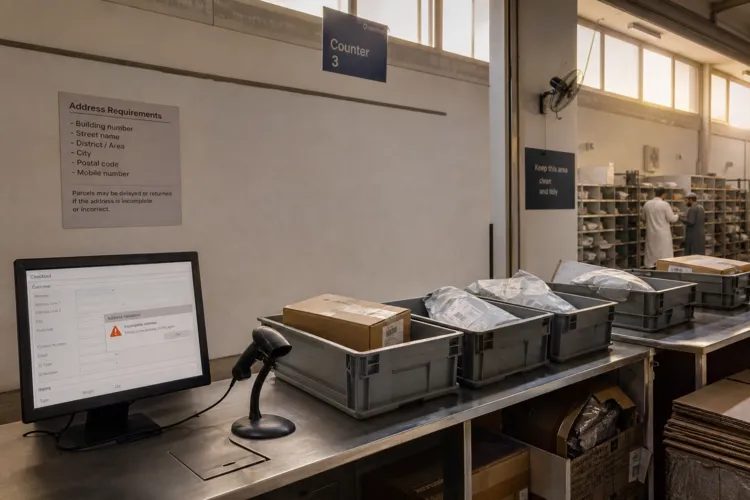
Capital allocation and financing choices will influence how quickly logistics infrastructure can be delivered. Arab News reported that Saudi Arabia raised $13 billion through a seven-year syndicated loan arranged by the National Debt Management Center. The agency said the transaction supports infrastructure projects spanning power, water, and public utilities, aligned with Vision 2030, and fits a medium-term borrowing strategy designed to diversify funding sources and secure financing at competitive costs. This matters for logistics reform because ports, rail, and logistics-adjacent utilities are interdependent. The same Arab News update also described government measures aimed at strengthening competitiveness and improving the business environment, including reinstating tariffs on goods with local alternatives and imposing a 16% customs duty on postal parcels to support domestic producers.
In 2026, the tone of national strategy is also shifting from speed to value. Skift reported that on April 15 the sovereign fund PIF approved its 2026–2030 strategy, describing a move from “rapid growth and acceleration” to “sustained value creation.” It also reported that construction commitments have been cut by tens of billions, and quoted PIF governor Yasir Al-Rumayyan saying that completing The Line by 2030 is “good to have” but “not a must-have.” For logistics, that shift suggests more emphasis on infrastructure utilization and operational outcomes. It also aligns with an ecosystem where private execution is increasingly scrutinized, as Arab News noted that Saudi startups are transitioning from state-backed momentum toward market maturity, with impact judged by solving real problems in sectors including logistics.
What does “Vision 2030 third phase logistics” imply in 2026?
How is Saudi rail modernization connected to Vision 2030 logistics goals?
Which Saudi ports were highlighted as advanced in the region?
What financing was reported that supports Vision 2030-aligned infrastructure?
What change in strategy could affect logistics investment priorities?
Talk to us for your needs in:
- Identifying Suitable Warehouse Sites in Saudi Arabia
- Customized Logistics and Supply Chain Analytics
- Logistics Network Design and Optimization
- Green Supply Chain and Sustainable Logistics Solutions
- Supply Chain Risk Management and Compliance
- Advanced Supply Chain Resilience and Agility
- Logistics Market Research and Strategic Analysis
- In-Depth Market Survey for Logistics
- Market Intelligence and Insights in Logistics
- Feasibility Study and Assessment in Logistics
- Integrated Warehousing Management Solutions
- Smart Warehousing and Automation Systems
- Sustainable and Green Warehousing Practices
- Port and Airport Logistics Optimization
- Digital Logistics Solutions
- Saudi Logistics Benchmarking