Saudi Arabia’s Special Economic Zones (SEZs) are designed as geographically defined areas with tailored tax, customs, ownership, and licensing rules for investors, aligned with Vision 2030. In 2023, Saudi Arabia officially launched its SEZ framework under the oversight of the Economic Cities and Special Zones Authority (ECZA), establishing four initial zones with plans for further expansion. Within that national push, Jazan Special Economic Zone (JSEZ) stands out for its southern Red Sea location and its practical fit for logistics and distribution strategies aimed at serving Africa, Europe, and Asia via major shipping lanes.
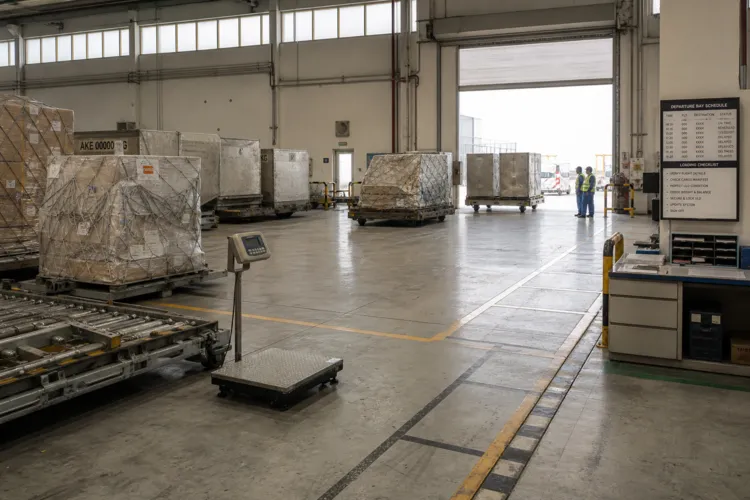
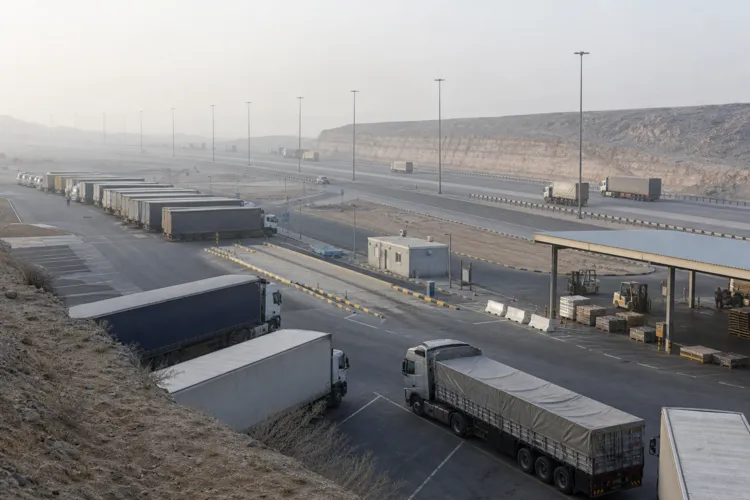
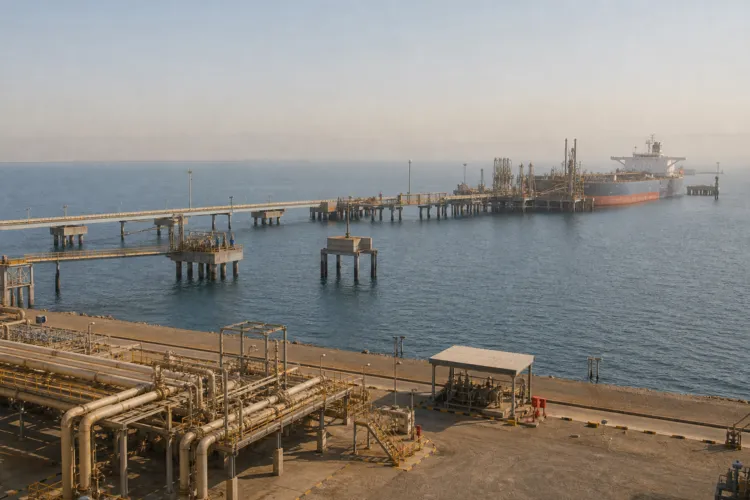
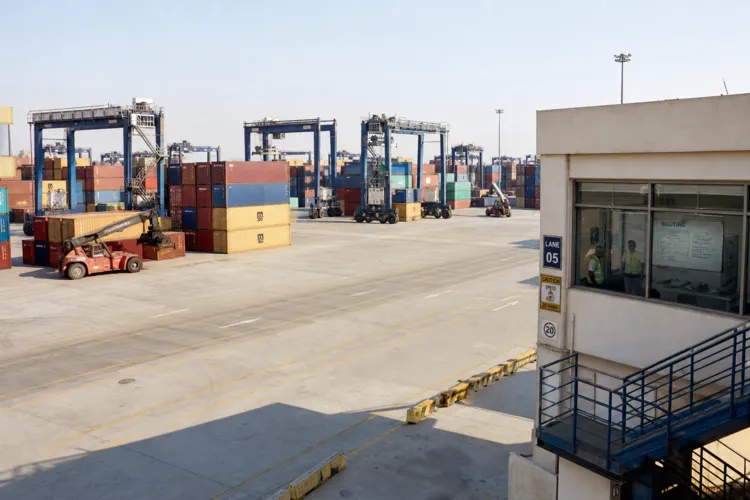
Jazan’s case as a southern gateway starts with geography and infrastructure. The zone sits on the Red Sea coast and is described as a vital gateway for global exports through modern ports. It is supported by the Jazan Economic City Port, characterized as a modern deep-water port capable of handling large vessels. It is also connected through the Jazan Regional Airport, which offers direct flights to major cities within Saudi Arabia and internationally. For operators assessing Jazan special economic zone logistics, this combination creates a workable platform for import flows, storage, processing, and re-export operations tied to both maritime and air connectivity.
Why Jazan Fits Industrial Logistics, Not Just Transit
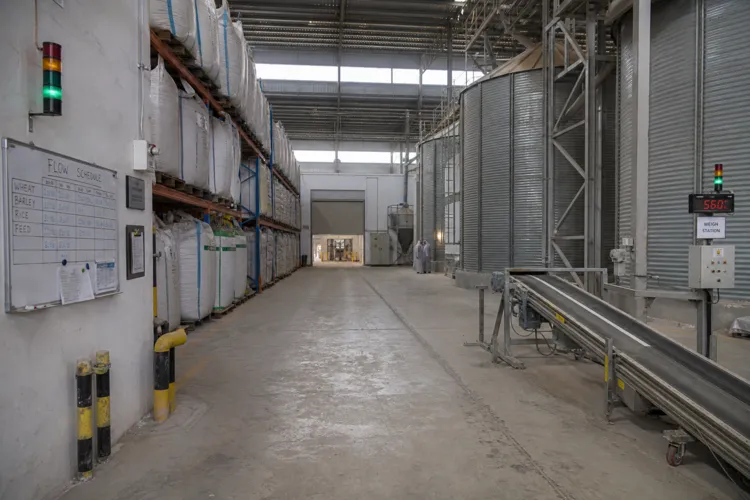
Jazan is not positioned as a pure transshipment story. Sources describe it as a major hub for heavy and secondary industries, with key sectors that include food processing, metal conversion, and logistics. It is also described as adjacent to the Jazan City for Primary and Downstream Industries (JCPDI), supporting an industrial ecosystem designed around raw material access and processing. One source states that the area includes mining reserves worth over USD 1.3 trillion, framing why the zone is marketed as a platform for processed metals and minerals. Another notes that the Jazan SEZ seeks to enhance the Kingdom’s mining sector and that businesses in the zone will have access to one of the region’s largest ports to support efficient exports and imports of manufacturing materials.
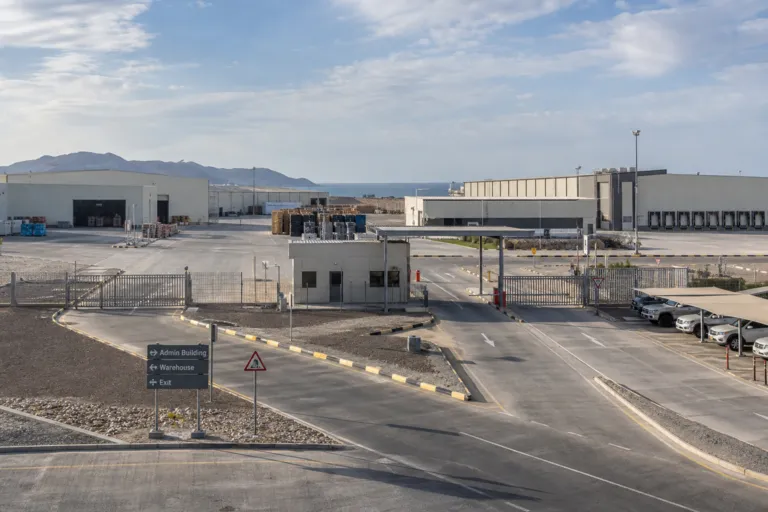
Incentives are a central part of the investment case. Jazan has established a 24 square kilometre Special Economic Zone operating under special commercial regulations. Incentives cited for the Jazan SEZ include preferential corporate income tax, 0% withholding tax on profits transferred abroad, and 0% deferred customs duties on certain goods. Other descriptions of SEZ packages emphasize tax breaks, customs duty relief, full foreign ownership, and currency and capital controls at the SEZ level. Together, these tools matter for logistics operators who need predictable cross-border cost structures and for manufacturers who want export-oriented operating models supported by streamlined regulatory processes.
Jazan’s southern Red Sea gateway case becomes clearer when viewed as part of a wider SEZ network. KAEC, another Red Sea SEZ, is described as spanning approximately 181 square kilometers and hosting King Abdullah Port, which handles over 2 million TEUs annually and is listed among the top 100 container ports globally. By comparison, Jazan’s value proposition is framed around heavy and energy-intensive industry linkages, access to major port infrastructure, and proximity to Red Sea shipping routes. In the broader 2026 SEZ map, Jazan is also described as targeting heavy industries including metals processing, energy-intensive manufacturing, and food processing. For companies building multi-node supply chains across the Kingdom, the southern gateway can complement other zones by anchoring industrial throughput and export-ready distribution on the Red Sea.
What makes Jazan SEZ a strong southern Red Sea gateway?
How large is the Jazan Special Economic Zone?
Which incentives are cited for companies in the Jazan SEZ?
How does Jazan special economic zone logistics connect to targeted industries?
What context does KAEC provide when comparing Red Sea SEZ gateways?
Talk to us for your needs in:
- Identifying Suitable Warehouse Sites in Saudi Arabia
- Customized Logistics and Supply Chain Analytics
- Logistics Network Design and Optimization
- Green Supply Chain and Sustainable Logistics Solutions
- Supply Chain Risk Management and Compliance
- Advanced Supply Chain Resilience and Agility
- Logistics Market Research and Strategic Analysis
- In-Depth Market Survey for Logistics
- Market Intelligence and Insights in Logistics
- Feasibility Study and Assessment in Logistics
- Integrated Warehousing Management Solutions
- Smart Warehousing and Automation Systems
- Sustainable and Green Warehousing Practices
- Port and Airport Logistics Optimization
- Digital Logistics Solutions
- Saudi Logistics Benchmarking