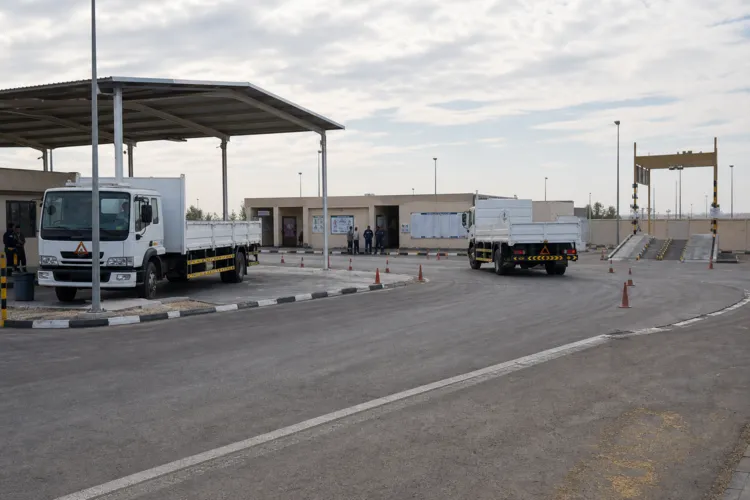
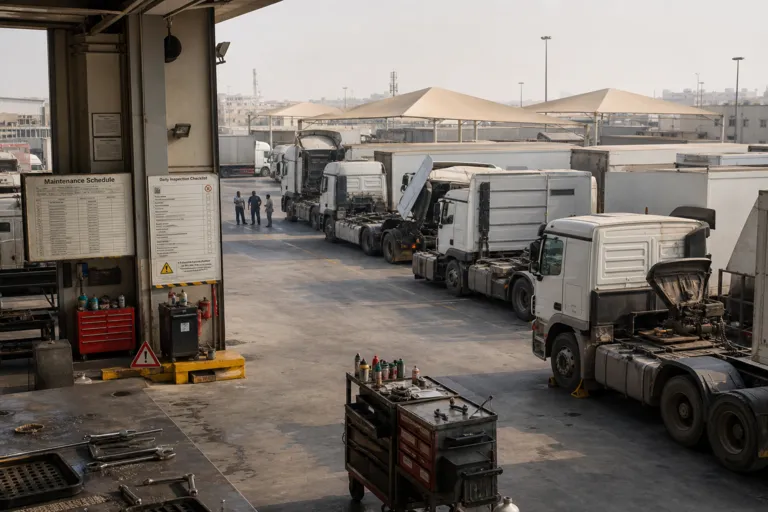
Raising the cross-border operating age to twenty-two years changes how fleet owners plan assets, capital, and uptime. The immediate effect is simple. More trucks can remain eligible for cross-border work for longer. But the operational effect is more complex. When assets stay in service longer, fleets must manage wear, parts planning, and repair decisions more carefully. A U.S. fleet management analysis describes how operators keep medium- and heavy-duty trucks in service longer due to equipment availability constraints, rising acquisition costs, and the need to maximize asset utilization. It also cites S&P Global Mobility, which reports the average age of U.S. light vehicles reached 12.8 years in 2025, framing a broader trend of aging assets that can increase maintenance complexity.
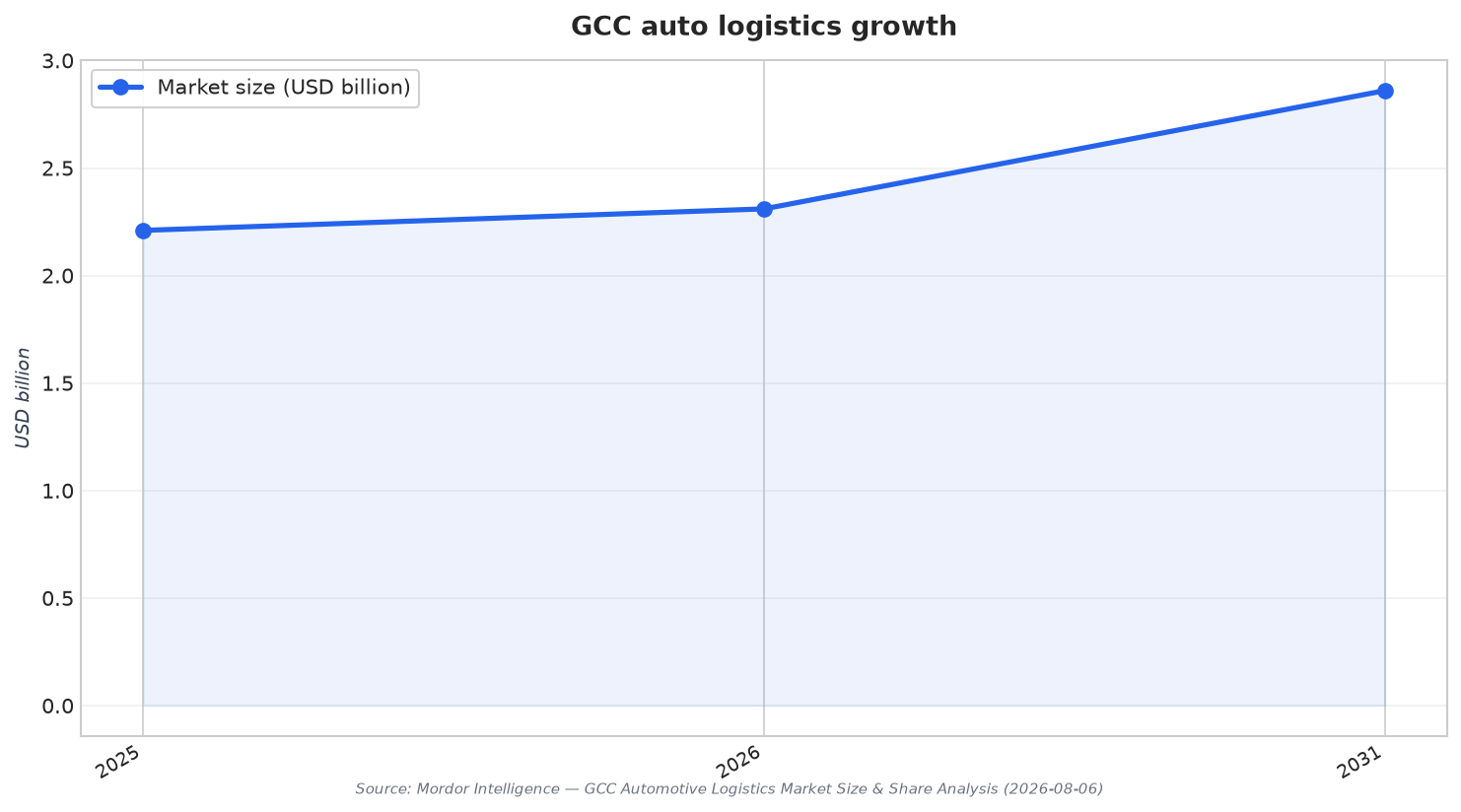
The policy shift also lands in a GCC logistics market that is projected to expand, which can amplify the need for available equipment. Mordor Intelligence estimates the GCC automotive logistics market will grow from USD 2.21 billion in 2025 to USD 2.31 billion in 2026 and reach USD 2.86 billion by 2031, a 4.42% CAGR over 2026–2031. In that same GCC market view, transportation held 63.40% share in 2025, and finished vehicles represented 62.30% of market size. Saudi Arabia led revenue share at 40.55% in 2025, while the UAE is projected to post a 4.28% CAGR during 2026–2031. In this context, letting older trucks run longer can ease near-term capacity constraints as trade and distribution activity expand.
What Fleet Managers Should Change Now
With the GCC cross-border truck age rule now extended, fleets can rethink replacement cycles, but they should not confuse eligibility with readiness. Keeping older units active typically increases the volume and consequence of day-to-day repair choices. The U.S. maintenance commentary highlights how every decision to repair, replace, or delay can directly affect uptime, cost, and service reliability, especially when time and parts availability are limited. That logic travels across borders. For GCC operators, the practical shift is to make maintenance planning more deliberate, with tighter inspection rhythms and clearer thresholds for when a truck is still dependable for international runs versus when it should be redeployed to less demanding lanes.
The rule change also intersects with modernization pressure, because demand growth does not automatically reduce expectations on service quality. Mobility Foresights projects the GCC heavy commercial vehicle market will grow from USD 209.5 billion in 2025 to USD 296.4 billion by 2032, at around 5.0% CAGR. Separately, an IMARC-based overview puts the GCC heavy commercial vehicle market size at USD 17.2 billion in 2024 and USD 27 billion in 2033, with 5.10% growth over 2025–2033. These forecasts signal continuing fleet activity and competition. Even with a higher age cap, operators that invest in telematics and predictive maintenance, which Mobility Foresights flags as part of the sector’s direction, can better protect uptime while running older cross-border assets.
For shippers and logistics providers, the twenty-two-year limit can bring short-term flexibility, but it may also create a wider mix of truck ages on the road. That matters as digital customs tools evolve. Mordor Intelligence notes early adoption of digital customs platforms under the new Integrated Customs Tariff is trimming border dwell times. Faster borders raise the value of reliable vehicles that can keep schedules tight. The strategic response is balance. Use the extended eligibility to smooth capital spend and reduce immediate replacement pressure, while setting clear reliability standards for trucks assigned to cross-border routes. The goal is to capture the benefit of the age increase without letting aging assets become a hidden service risk.
What does the GCC’s cross-border truck age rule change mean in practice?
Why does extending truck operating age increase maintenance pressure?
How strong is the GCC logistics demand backdrop around this change?
Does the age extension reduce pressure to modernize fleets?
Talk to us for your needs in:
- Identifying Suitable Warehouse Sites in Saudi Arabia
- Customized Logistics and Supply Chain Analytics
- Logistics Network Design and Optimization
- Green Supply Chain and Sustainable Logistics Solutions
- Supply Chain Risk Management and Compliance
- Advanced Supply Chain Resilience and Agility
- Logistics Market Research and Strategic Analysis
- In-Depth Market Survey for Logistics
- Market Intelligence and Insights in Logistics
- Feasibility Study and Assessment in Logistics
- Integrated Warehousing Management Solutions
- Smart Warehousing and Automation Systems
- Sustainable and Green Warehousing Practices
- Port and Airport Logistics Optimization
- Digital Logistics Solutions
- Saudi Logistics Benchmarking