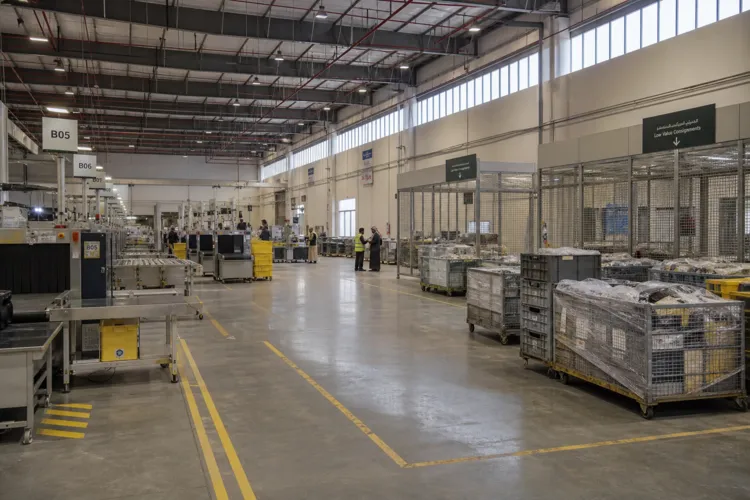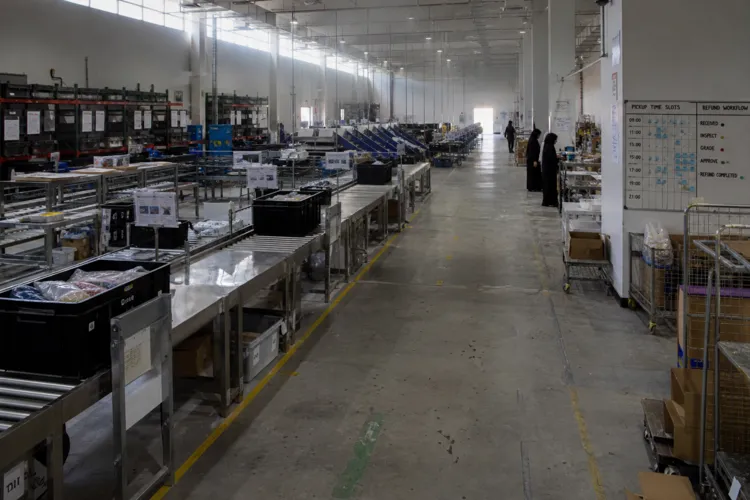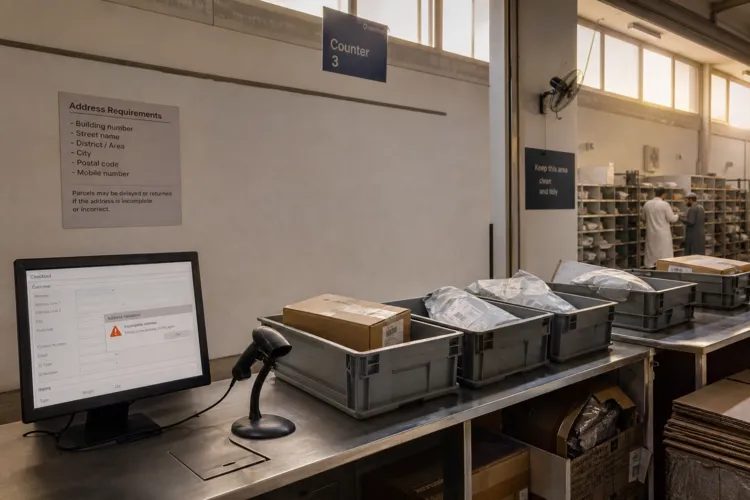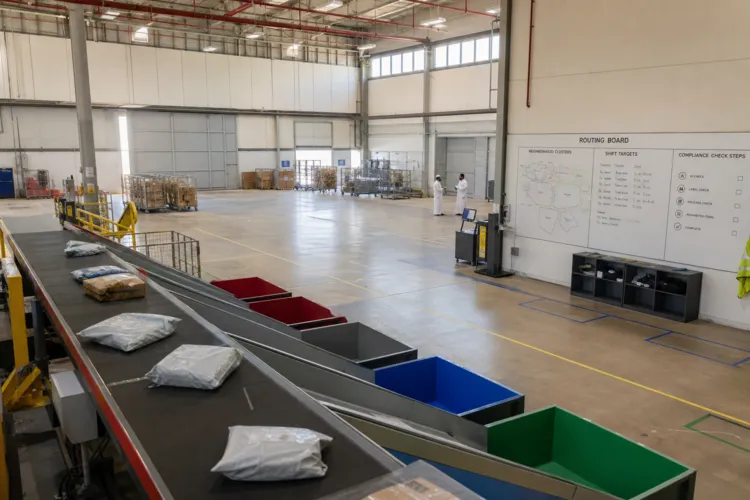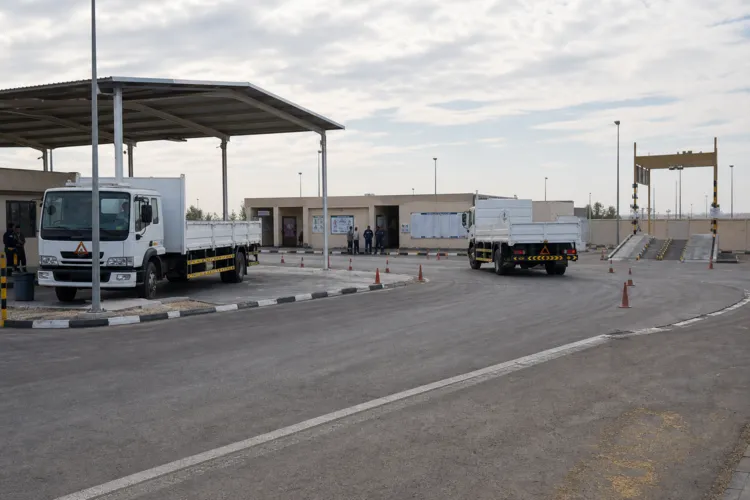
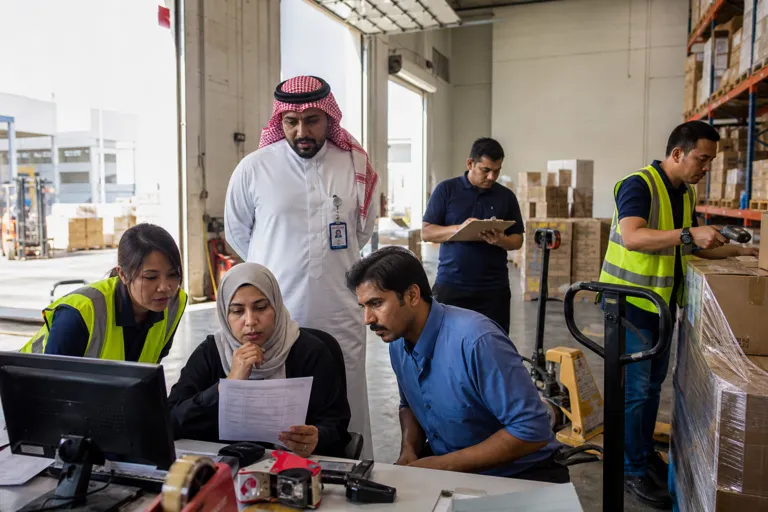
Full Saudization for shipping clerks and inventory movement staff is scheduled to take effect in October 2026. This shift lands inside a wider environment where businesses are managing Saudization policies under the Nitaqat program, sector-specific quotas, and compliance obligations set by the Ministry of Human Resources and Social Development. It also comes as organizations face a more complex operating context, where workforce decisions must stay compliant while still keeping day-to-day logistics moving. For employers, the core task is to plan early so operational continuity is protected while roles are aligned with Saudization administrative roles 2026.
The timing matters because logistics and maritime activity is expanding. At the Saudi Maritime & Logistics Congress in Dammam on October 1, 2025, the Minister of Transport and Logistic Services, Eng. Saleh bin Nasser Al-Jasser, described growth indicators across the Kingdom’s fleet and ports. He said the Kingdom leads the region in tonnage, with its fleet growing by 30% this year. He added the number of vessels flying its flag reached 427, with total tonnage exceeding 11 million tons, and that more than 2,350 Saudi seafarers work on board, representing 11% growth through 2024. He also said the Kingdom hosts more than ten major ports with combined capacity exceeding 1.1 billion tons.
Compliance and Workforce Planning Steps Before October 2026
Companies preparing for full Saudization in these administrative logistics roles should focus on execution basics. One source stresses that mobility providers help businesses navigate regulatory frameworks such as Saudization policies under the Nitaqat program, sector-specific quotas, and compliance obligations. The same source notes these services often manage interactions with multiple government platforms such as Qiwa and GOSI. In practice, this points to two priorities. First, map job functions cleanly and document them for compliance workflows. Second, ensure your HR and mobility processes can handle the required platform interactions without creating delays that disrupt shipping, receiving, and inventory movement cycles.
Workforce planning is becoming more data-led. One source highlights that AI-led workforce planning, demand forecasting, and personalized career pathways will increasingly inform mobility decisions. Another source, a workforce report release, describes recommendations for navigating policy reforms, meeting Saudization targets, and deploying AI-powered recruitment tools to improve hiring efficiency. Together, these points support a practical approach for Saudization administrative roles 2026: identify skills gaps inside shipping clerks and inventory movement tasks, then build hiring and internal mobility plans that are forecast-based rather than reactive. This can reduce administrative friction during transitions across functions and sectors.
Employers should also align the October 2026 change with the broader direction of the maritime and logistics sector. Saudi maritime policy discussions are widening beyond fleet size and port capacity, with attention on technology and regulatory frameworks. One conference summary notes a focus on digitalization, automation, and maritime cybersecurity, including regulatory frameworks for autonomous shipping and the role of digital technologies in enhancing efficiency, safety, and sustainability. Another source quotes a senior official saying success now depends on cutting emissions, boosting safety and technological investment, and creating regulatory frameworks for modern technologies. For administrative roles, this reinforces the need to pair Saudization execution with process discipline, digital tools, and role-specific upskilling plans.
When does full Saudization take effect for shipping clerks and inventory movement staff?
Why does Saudization administrative roles 2026 matter for logistics employers?
Which government platforms are mentioned for compliance interactions?
What signals show growth in Saudi maritime and logistics activity?
Talk to us for your needs in:
- Identifying Suitable Warehouse Sites in Saudi Arabia
- Customized Logistics and Supply Chain Analytics
- Logistics Network Design and Optimization
- Green Supply Chain and Sustainable Logistics Solutions
- Supply Chain Risk Management and Compliance
- Advanced Supply Chain Resilience and Agility
- Logistics Market Research and Strategic Analysis
- In-Depth Market Survey for Logistics
- Market Intelligence and Insights in Logistics
- Feasibility Study and Assessment in Logistics
- Integrated Warehousing Management Solutions
- Smart Warehousing and Automation Systems
- Sustainable and Green Warehousing Practices
- Port and Airport Logistics Optimization
- Digital Logistics Solutions
- Saudi Logistics Benchmarking