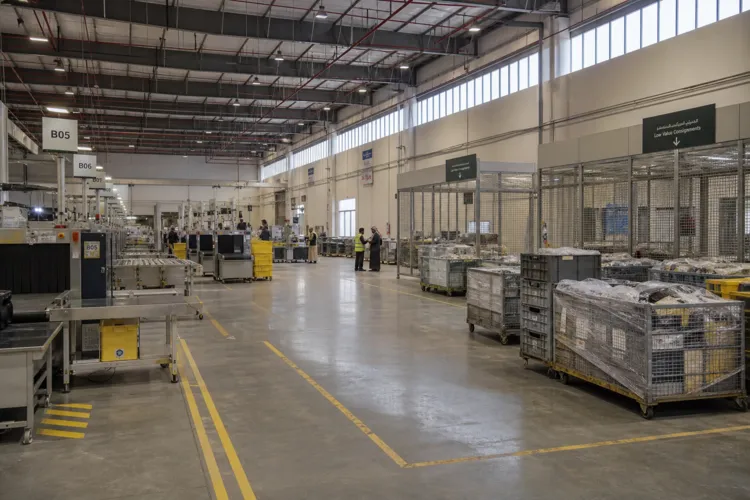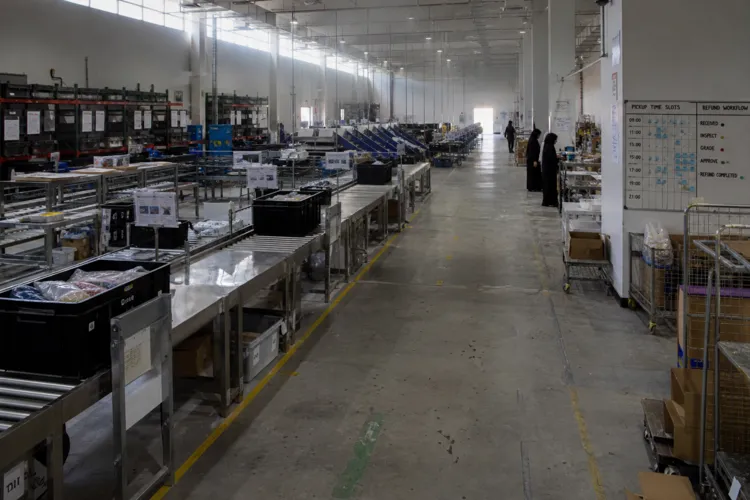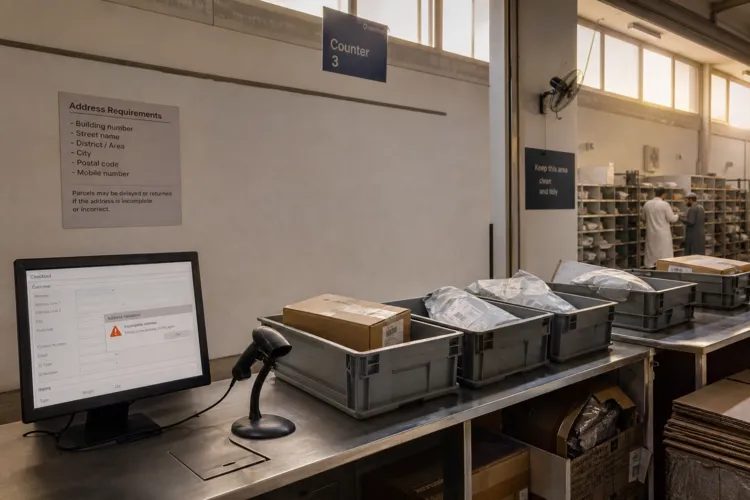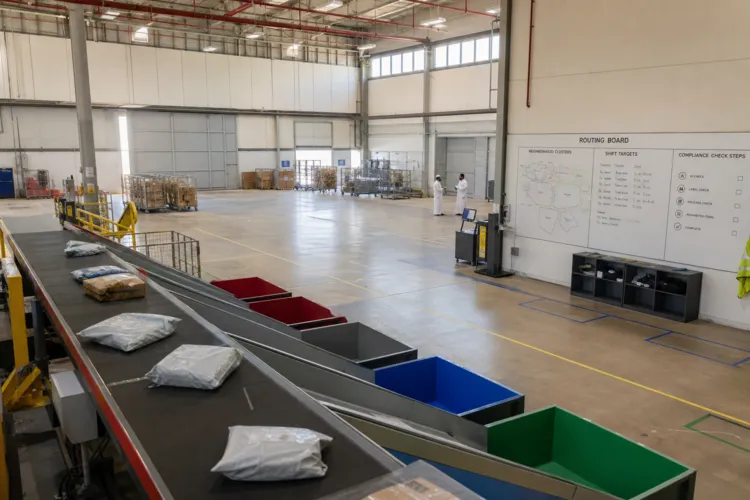
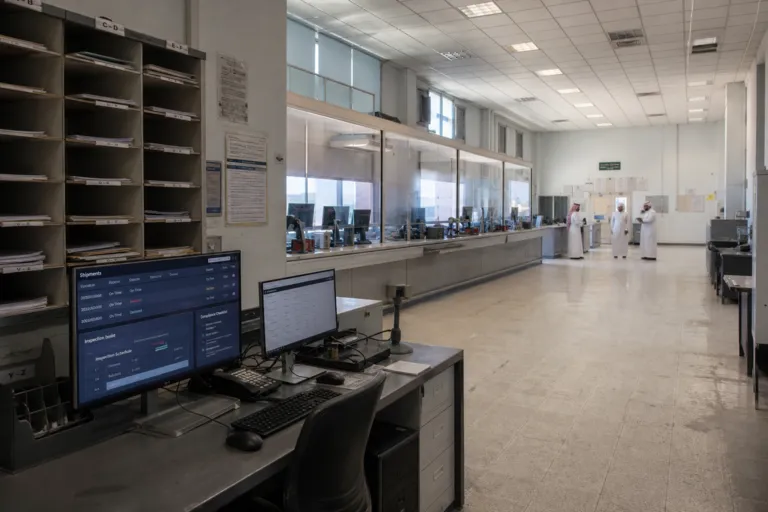
Saudi Arabia’s customs clearance is moving away from traditional paper-based procedures toward a fully automated digital system, a shift described as part of a broader push aligned with Vision 2030. In practice, this kind of change is often discussed as a “document reduction” journey because it replaces manual, paper-driven handoffs with digital data flows. This is the context in which many shippers and brokers frame the Saudi customs document reduction 2026 topic: not as a single tool, but as a sector-wide transition led by ZATCA and supported by systems used in day-to-day clearance work. The operational aim is simpler processing, with automation and smart analytics supporting transparency.
Digitization does not remove the need to understand costs and rules; it changes how information is submitted and verified. Customs duties vary by product type and country of origin. Basic customs duties are generally 5% and apply to most imported goods. Protective duties range from 15% to 20% to support local industries. Importers also face a customs service fee of 0.15%, with a minimum of 15 SAR and a maximum of 500 SAR. A paperless process can make these elements easier to track through structured workflows, but the underlying duty and fee structure remains a core planning input for trade teams.
Paperless Trade Links Customs, Compliance, and Logistics Data
A key feature of paperless customs is that it can connect clearance steps with upstream compliance checks. One example referenced in Saudi digital trade processes is the Saber Platform, described as a system for issuing conformity certificates to ensure imported products comply with Saudi standards before entering the market. In parallel, cargo operations are also being pulled into integrated digital platforms that link screening data, shipment tracking, and customs clearance in one unified system. Saudi Arabia’s Ministry of Transport and Logistics launched a Digitalization and Technical Processing Center alongside a Unified Documents and Records Platform, signaling a government push toward end-to-end digital trade facilitation.
This shift is also taking place while trade-facing industries scale and modernize around it. For context on physical goods flows that rely on predictable import processes, Saudi Arabia’s paper and paperboard packaging market was valued at 1.61 million tonnes in 2025 and is estimated at 1.69 million tonnes in 2026, with a projection to reach 2.09 million tonnes by 2031. Within that market, corrugated boxes led with a 46.51% share in 2025, and food and beverage accounted for 37.14% of market share in the same year. These figures highlight why smoother customs routines matter: packaging demand tracks the movement of goods, and paperless clearance can reduce friction around documentation and checkpoints without changing what must be proven and paid.
Paperless trade is also tied to broader investments in monitoring and protection. One market indicator cited for the Kingdom is cargo security and surveillance, valued at USD 39.9 million in 2025 (per IMARC Group data referenced in an industry overview). The same overview notes that paper-based cargo documentation is giving way to integrated digital platforms, reinforcing the idea that customs data is increasingly shared across screening, tracking, and clearance steps. The outcome for shippers is a more systemized, audit-ready flow of information, where documentation is structured, searchable, and aligned to automated processing rather than assembled as paper packets.
What does Saudi Arabia’s paperless customs shift actually change for importers?
What duty rates and service fees are stated for Saudi customs clearance?
How does the customs digitization push connect to product compliance?
What is meant by the Saudi customs document reduction 2026 topic in practical terms?
Which related Saudi market figures show why smoother trade processing matters?
Talk to us for your needs in:
- Identifying Suitable Warehouse Sites in Saudi Arabia
- Customized Logistics and Supply Chain Analytics
- Logistics Network Design and Optimization
- Green Supply Chain and Sustainable Logistics Solutions
- Supply Chain Risk Management and Compliance
- Advanced Supply Chain Resilience and Agility
- Logistics Market Research and Strategic Analysis
- In-Depth Market Survey for Logistics
- Market Intelligence and Insights in Logistics
- Feasibility Study and Assessment in Logistics
- Integrated Warehousing Management Solutions
- Smart Warehousing and Automation Systems
- Sustainable and Green Warehousing Practices
- Port and Airport Logistics Optimization
- Digital Logistics Solutions
- Saudi Logistics Benchmarking