Saudi Arabia is pushing hard to modernize administrative operations and harness AI technologies for greater efficiency and security. That direction is visible in multiple government-facing and trade-facing initiatives announced across 2025 and 2026. In that context, Fasah single window 2026 can be framed as part of a wider national effort to move procedures away from manual steps and into systems that can run end to end. The common thread across these efforts is simple. Put steps online. Centralize information. Reduce friction and waiting time.
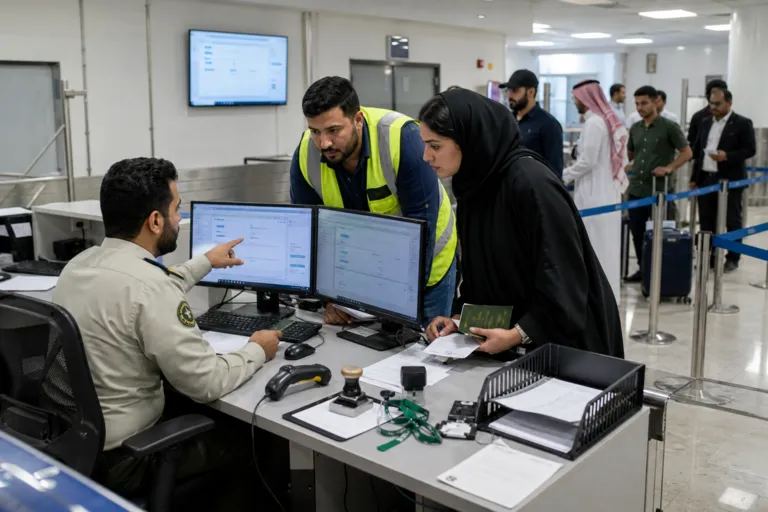
One of the clearest signals of the shift is in immigration services. During the Digital Government Forum 2025 in Riyadh, Maj. Gen. Saleh Al-Murabba, Acting Director General of Passports, unveiled measures tied to digitizing border and immigration processes. The Self-Deportation Platform is described as a move away from paper-based deportation procedures. It is designed to let individuals residing illegally finalize departure procedures online without in-person visits. After technical and security testing is complete, users will be able to submit documentation, verify identities, and receive authorization to exit through a fully automated system.
Why End-to-end Automation Matters for Customs
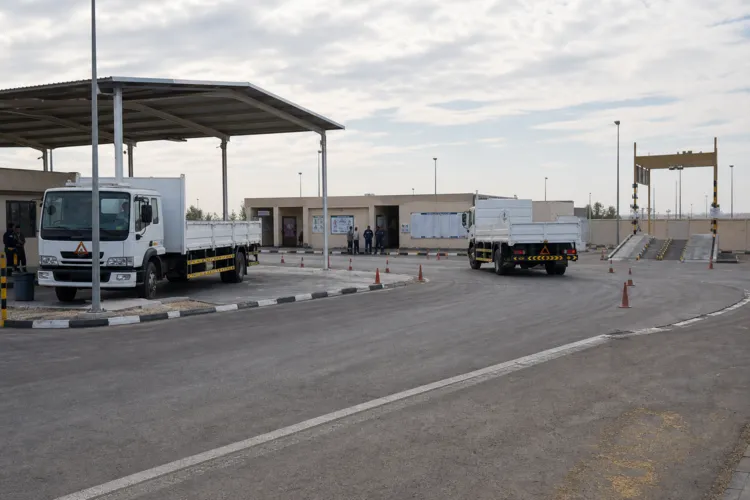
Trade and logistics face the same pressure to keep traffic moving and reduce delays. A May 2026 report on regional trade barriers notes that customs procedures within the GCC have long been an impediment to truck movements, and that the situation has pushed new approaches to speed cross-border flow. In the UAE, Dubai and Sharjah agreed new customs procedures with Oman to speed movement through the Hatta, Khatmat Malaha and Al Madam checkpoints for loads originating in Omani ports. Through Dubai’s Hatta checkpoint alone, the value of customs declarations rose from $270 million in March to $2.16 billion in April, illustrating how quickly volumes can surge when routes and processes shift.
Private-sector tools are also being positioned around faster, more visible import processes, which reinforces the rationale behind Fasah single window 2026. FedEx highlighted the launch of its FedEx Import Tool (FiT) in Saudi Arabia, describing it as a digital platform designed to simplify importing through real-time visibility and centralized documentation. The same source ties automation and centralization directly to faster customs clearance and to supply chain resilience. This is the operational logic a single window approach aims to support: fewer handoffs, fewer disconnected documents, and clearer status tracking across steps.
Saudi Arabia’s wider modernization agenda also shows up in industrial policy and digitisation infrastructure that surrounds trade. The Future Factories Program was launched in 2022 to support the transformation of 4,000 factories, shifting toward automation and manufacturing efficiency. Another 2026 analysis reiterates the same aim: migrating 4,000 factories to Industry 4.0 standards, bringing in AI and automation to drive efficiency. Payments digitisation is advancing too. In 2026, SAMA and Ant International plan to launch cross-border QR code payments by integrating Alipay+ with mada, enabling local merchants, including SMEs, to accept cross-border QR payments from Alipay+ partners.
Put together, these developments help explain the strategic environment around Fasah single window 2026 and the push to automate every customs procedure end to end. The government narrative emphasizes modernization, AI, efficiency, and security. Logistics narratives emphasize reducing delays and making clearance faster through centralized documentation and real-time visibility. Regional trends emphasize streamlining customs steps at checkpoints, and even rail planning includes a “one-stop customs system for containers with no delays at the border” on the Hafeet Rail route that is 40% complete and due to come into service in 2028. Fasah single window 2026 fits this direction: end-to-end, digital-first execution.
What does Fasah single window 2026 mean in this broader policy context?
Which 2025 government initiative shows a move away from paper-based procedures?
What evidence in the sources links automation to faster customs clearance?
What regional example illustrates how customs process changes can coincide with higher declaration values?
What other Saudi modernization targets support the direction behind end-to-end automation?
Talk to us for your needs in:
- Identifying Suitable Warehouse Sites in Saudi Arabia
- Customized Logistics and Supply Chain Analytics
- Logistics Network Design and Optimization
- Green Supply Chain and Sustainable Logistics Solutions
- Supply Chain Risk Management and Compliance
- Advanced Supply Chain Resilience and Agility
- Logistics Market Research and Strategic Analysis
- In-Depth Market Survey for Logistics
- Market Intelligence and Insights in Logistics
- Feasibility Study and Assessment in Logistics
- Integrated Warehousing Management Solutions
- Smart Warehousing and Automation Systems
- Sustainable and Green Warehousing Practices
- Port and Airport Logistics Optimization
- Digital Logistics Solutions
- Saudi Logistics Benchmarking