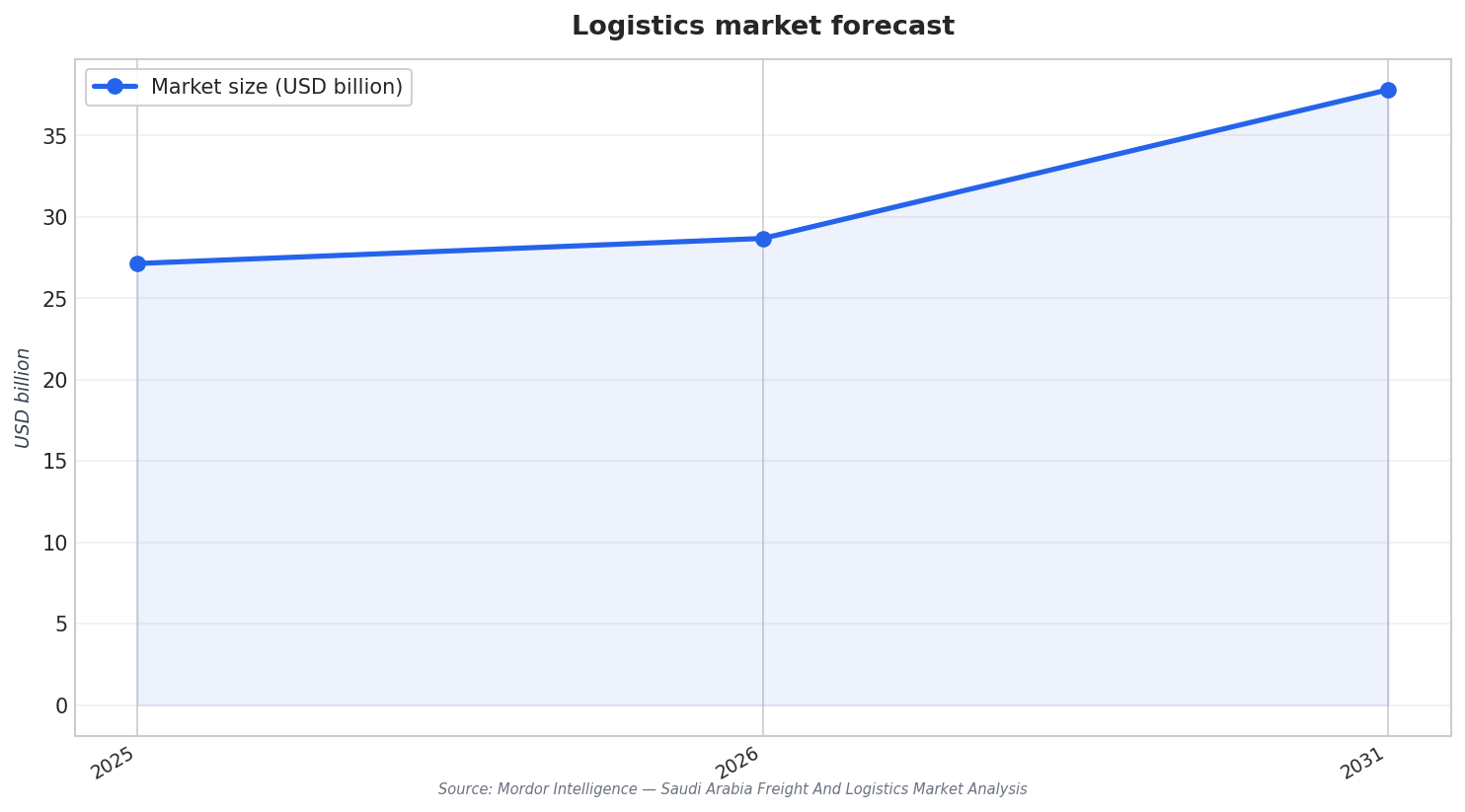
Saudi Arabia has put a spotlight on logistics corridors that connect GCC gateways with Red Sea ports, with the stated aim of streamlining customs integration and boosting the efficiency of cargo rerouting during regional disruptions. This approach is being discussed alongside a wider expansion of capacity and services in freight transport, warehousing, and multimodal forwarding. In market terms, Mordor Intelligence valued the Saudi Arabia freight and logistics market at USD 27.14 billion in 2025, and estimated growth from USD 28.68 billion in 2026 to USD 37.82 billion by 2031, at a 5.69% CAGR for 2026–2031. The same report links steady upgrades to Vision 2030’s infrastructure drive, anchored by USD 133.3 billion of approved airport, rail, and port outlays.
These corridor efforts are also framed as a way to turn geography into operational advantage. Makreo Research notes that Saudi Arabia’s position along the Arabian Gulf and the Red Sea sits on corridors through which nearly 13% of global trade flows, reinforcing the Kingdom’s standing within international freight and supply chain networks. Within the current market structure, freight transport represented 58.92% of the Saudi freight and logistics market share in 2025, and sea and inland waterways freight forwarding held 64.62% of freight forwarding revenue share in 2025, according to Mordor Intelligence. That baseline matters for rerouting, because it suggests corridor performance depends not only on ports, but also on inland connections, clearance speed, and the ability to shift modes when needed.
How Corridors, Customs, and Multimodal Links Enable Rerouting
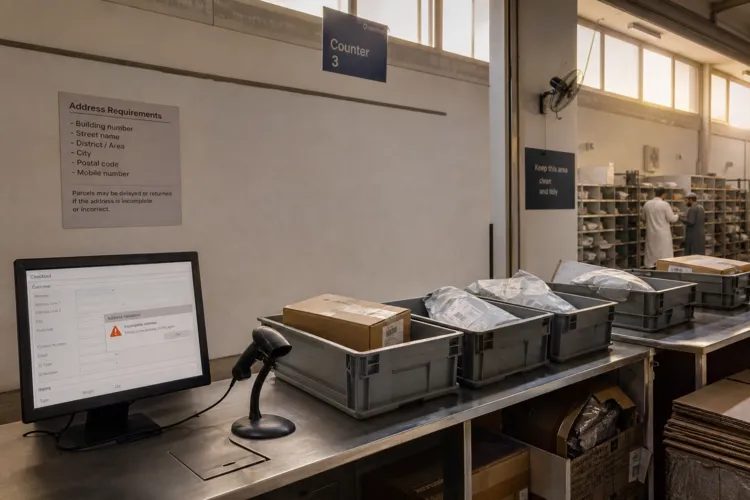
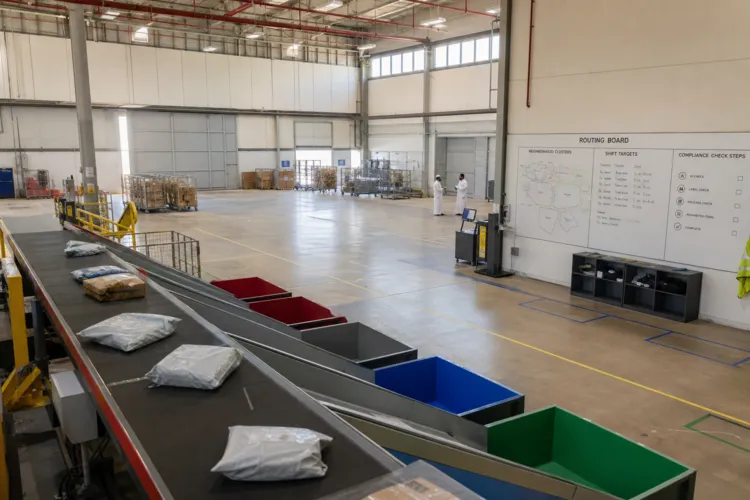
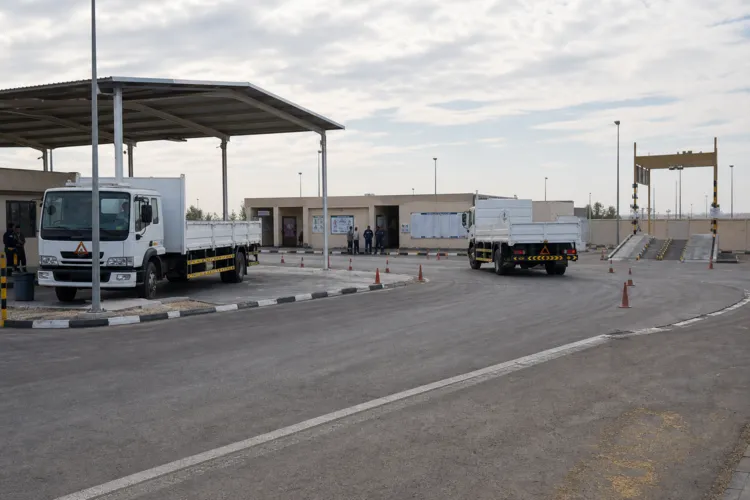
In March 2026, IMARC reported that Saudi Arabia launched Logistics Corridors linking GCC and Red Sea ports to streamline customs integration and boost cargo rerouting efficiency for supply chain stability during disruptions. Complementing that theme, Mordor Intelligence’s road freight outlook describes customs interoperability initiatives with Bahrain and the UAE that shrink border dwell to under two hours for pre-cleared loads. The same road freight report says the Saudi Landbridge enables Red Sea ports to act as gateways for GCC hinterlands, and that the Landbridge cuts Red Sea-to-Gulf transit by 72 hours, supporting ship-to-rail-to-road transfers via inland dry ports designed for double-stack containers. Together, these measures describe the practical building blocks behind the Red Sea cargo rerouting initiative.
Saudi Arabia is also highlighting sea-to-air pathways for high-value and time-sensitive shipments. EIN Presswire reported a sea-to-air cargo corridor at Jeddah Islamic Port, developed jointly by Saudia Cargo, Mawani, and the Zakat, Tax and Customs Authority, to enable maritime cargo to transition directly into air freight networks under streamlined customs procedures. The same source ties this corridor to demand for pharmaceuticals, healthcare products, electronics, perishables, and express shipments. On the air gateway side, Saudi Arabian Logistics Services (SAL) operates across 18 domestic airports and handled approximately 972,000 tons during the year, accounting for nearly 92% of national cargo volumes, according to EIN Presswire. Mordor Intelligence adds that air freight is projected to expand at a 6.78% CAGR between 2026 and 2031, while air freight forwarding is set to post a 6.12% CAGR over the same period.
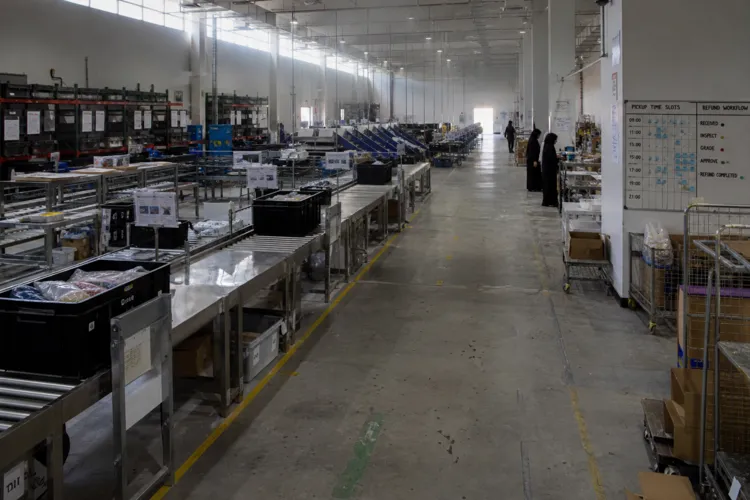
Absorbing rerouted cargo also requires strong domestic distribution and storage, because rerouting can shift where goods enter and how they are staged. In 2025, road freight held a 41.55% revenue share of freight transport mode in Saudi Arabia, according to Mordor Intelligence. The Saudi Arabia Road Freight Transport Market was worth USD 7.09 billion in 2026 and is projected to reach USD 9.17 billion by 2031 at a 5.27% CAGR, per Mordor Intelligence. Warehousing remains dominated by non-temperature-controlled facilities with a 77.25% share in 2025, while temperature-controlled capacity is forecast to climb at a 6.48% CAGR between 2026 and 2031. These components matter because corridor-based rerouting is only resilient if trucking, clearance, and warehousing can absorb sudden volume shifts without breaking service levels.
What is Saudi Arabia doing to support a Red Sea cargo rerouting initiative?
How fast can cross-border clearance improve with customs interoperability?
What transit-time benefit is associated with the Saudi Landbridge?
Which organizations developed the sea-to-air cargo corridor at Jeddah Islamic Port?
How significant is SAL in Saudi Arabia’s air cargo system?
Talk to us for your needs in:
- Identifying Suitable Warehouse Sites in Saudi Arabia
- Customized Logistics and Supply Chain Analytics
- Logistics Network Design and Optimization
- Green Supply Chain and Sustainable Logistics Solutions
- Supply Chain Risk Management and Compliance
- Advanced Supply Chain Resilience and Agility
- Logistics Market Research and Strategic Analysis
- In-Depth Market Survey for Logistics
- Market Intelligence and Insights in Logistics
- Feasibility Study and Assessment in Logistics
- Integrated Warehousing Management Solutions
- Smart Warehousing and Automation Systems
- Sustainable and Green Warehousing Practices
- Port and Airport Logistics Optimization
- Digital Logistics Solutions
- Saudi Logistics Benchmarking