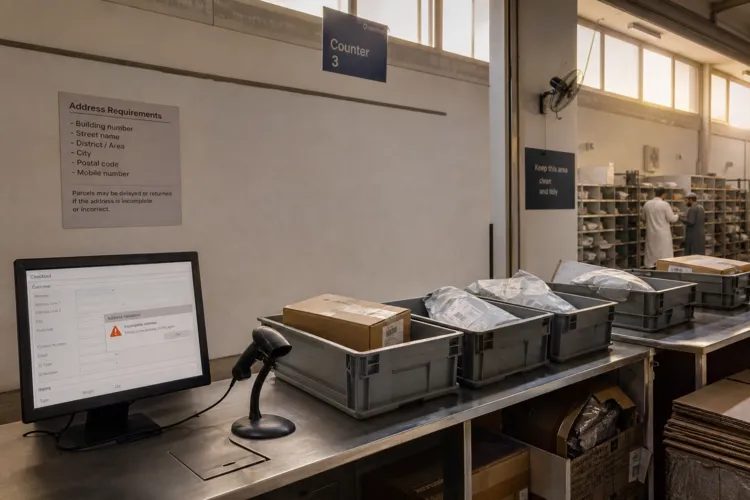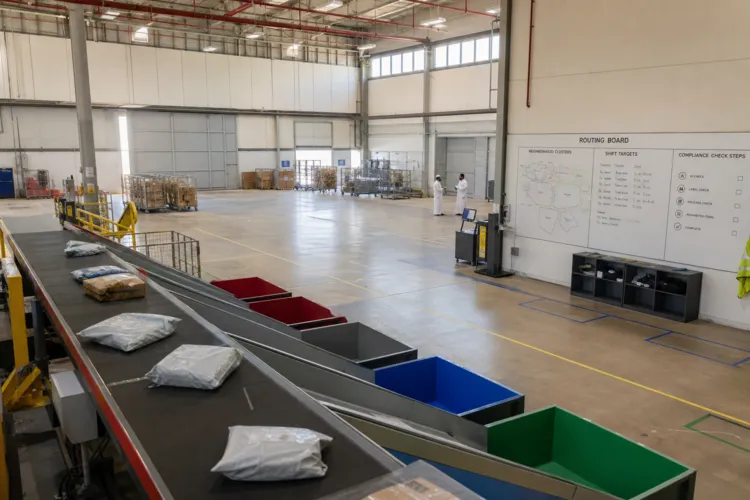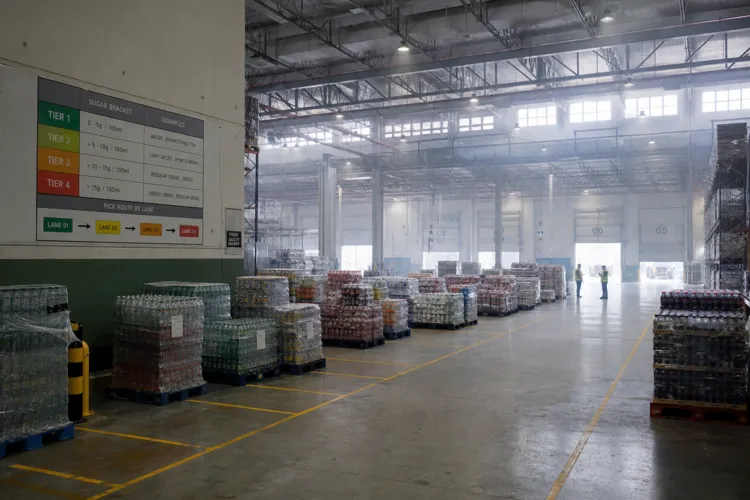
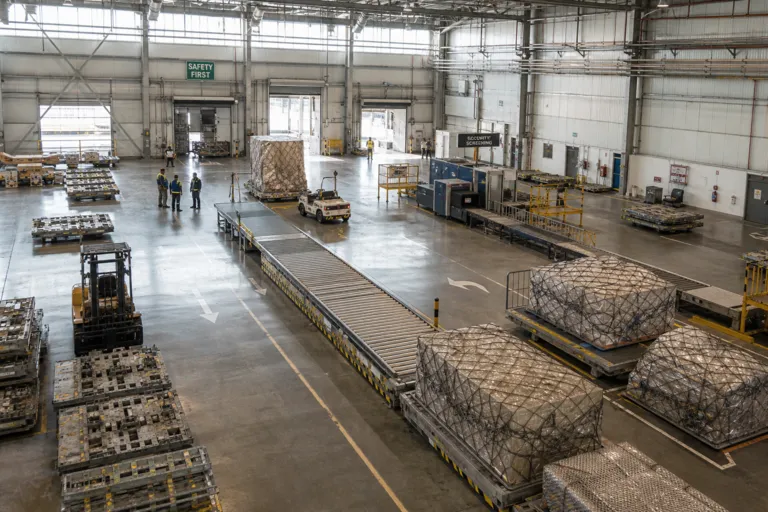
Riyadh’s air freight outlook is being reshaped by the cargo build-out planned at King Salman International Airport (KSIA). Aviation Week reports the airport’s future development phases target capacity to process 2 million tons of cargo, alongside six parallel runways and multiple new terminals. The same plan also emphasizes better connectivity between passenger terminals and cargo areas, reflecting the role of belly cargo in passenger operations. In parallel, Saudi Arabia’s air cargo baseline is already material: total air cargo volume reached 1.2 million tonnes in 2024, according to Makreo, which frames why a new large-scale cargo gateway in Riyadh matters for national capacity as well as local throughput.
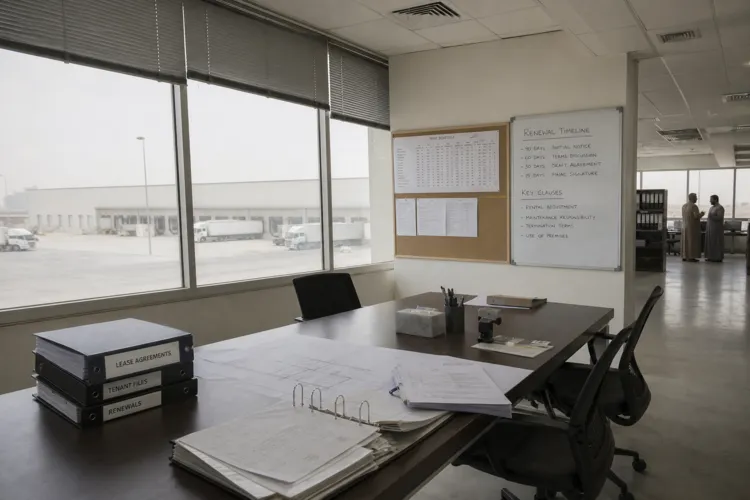
The build-out is not just about ramps and warehouses. It is also about creating a logistics ecosystem that can attract freight, inventory, and value-added services to Riyadh. Makreo notes that KSIA’s Special Integrated Logistics Zone spans 3 million m², and that Apple and Shein are already signed as tenants. Separately, Mordor Intelligence describes how the Special Integrated Logistics Zone at King Khalid International Airport spans 32 million ft² and supports duty-deferred storage and automated clearance, with average e-parcel customs release times below two hours. Mordor also points to similar bonded nodes near KSIA that create a China–KSA gateway channeling 20.9% of Saudi inbound trade, reinforcing the case that bonded-zone capacity can directly pull air freight volumes toward Riyadh-area hubs.
What the KSIA Cargo Build-out Changes for Riyadh Capacity Planning
Capacity expansion at KSIA intersects with airline growth that can increase both dedicated and belly cargo lift from Riyadh. Makreo reports Riyadh Air targets 120+ aircraft serving 100+ destinations by 2030, while Vision2030.ai adds that Riyadh Air is a PIF-backed carrier headquartered in Riyadh and will operate from KSIA. The same Vision2030.ai source notes Saudia has strengthened cargo operations through dedicated freighter aircraft and enhanced belly cargo capacity on passenger services. Put together, the airport’s cargo design capacity and terminal-to-cargo connectivity improvements can be read as infrastructure prepared for a larger mix of freighters, passenger flights carrying belly cargo, and time-sensitive shipments driven by e-commerce and imports.
National targets and market forecasts provide the context for why Riyadh’s build-out is being treated as strategic capacity, not incremental space. Makreo states Saudi Arabia’s civil aviation authority is targeting a fivefold increase in air cargo by 2030, and forecasts air freight growth at a 6.78% CAGR from 2026 to 2031. In the same Makreo overview of national logistics goals, the NTLS targets include 4.5+ million tonnes of air cargo capacity, to be achieved with approximately 80% private sector funding participation. These figures do not describe Riyadh alone, but they explain why the KSIA cargo program is positioned as a supply-side enabler for broader expansion—and why heavy manufacturers are already pre-booking freight capacity for 2026, as Makreo reports.
Finally, the cargo build-out at KSIA is part of a wider resilience push across modes, shaped by recent disruptions and a shift toward multimodal options. Makreo notes the 2024–2025 Red Sea disruption caused significant throughput contractions at Jeddah Islamic Port and King Abdullah Port, and that Saudi Arabia responded by accelerating eastern port upgrades, Landbridge development, and air cargo capacity expansion. Mordor Intelligence adds that regulatory liberalization now permits international operators to serve domestic line-haul lanes previously reserved for Saudi-flag fleets, increasing competitive intensity and introducing global service standards. For Riyadh shippers and forwarders, the practical implication is that a larger, better-integrated KSIA cargo platform can become a stronger alternative routing and inventory positioning tool when other corridors face volatility.
What cargo capacity is King Salman International Airport being designed to process?
How does the Special Integrated Logistics Zone support Riyadh’s air freight growth?
How much air cargo volume did Saudi Arabia handle in 2024?
How does the King Salman Airport air cargo build-out connect to airline expansion plans?
What are Saudi Arabia’s stated air cargo expansion targets toward 2030?
Talk to us for your needs in:
- Identifying Suitable Warehouse Sites in Saudi Arabia
- Customized Logistics and Supply Chain Analytics
- Logistics Network Design and Optimization
- Green Supply Chain and Sustainable Logistics Solutions
- Supply Chain Risk Management and Compliance
- Advanced Supply Chain Resilience and Agility
- Logistics Market Research and Strategic Analysis
- In-Depth Market Survey for Logistics
- Market Intelligence and Insights in Logistics
- Feasibility Study and Assessment in Logistics
- Integrated Warehousing Management Solutions
- Smart Warehousing and Automation Systems
- Sustainable and Green Warehousing Practices
- Port and Airport Logistics Optimization
- Digital Logistics Solutions
- Saudi Logistics Benchmarking