The FASAH single window Saudi Arabia system is built to make customs work faster and clearer. It is an electronic platform that unifies import and export services through one digital window. Multiple sources describe it as a unified solution that improves speed, transparency, and compliance, while reducing paperwork and processing times. For businesses, that focus matters because delays can raise costs and disrupt plans.
Measured results are already being linked to the platform. One report says customs clearance times have been cut to under 24 hours through the FASAH platform, and it also notes that delays once stretched to nine days. The same report adds that more than 18 billion riyals ($4.8 billion) have been injected into ports and logistics zones, and that port capacity has climbed to 40 million containers. Together, these figures show why digital clearance and port upgrades are often discussed as one story.
So what is FASAH in simple terms? It is an electronic customs platform designed to expedite customs clearance and make import and export operations easier and more efficient. One source describes it as Saudi Electronic Data Interchange (EDI) for Customs Clearance. It is also described as mandatory for businesses involved in import and export operations in Saudi Arabia, including importers, exporters, and logistics service providers.
How the Single Window Cuts Clearance Time in Practice
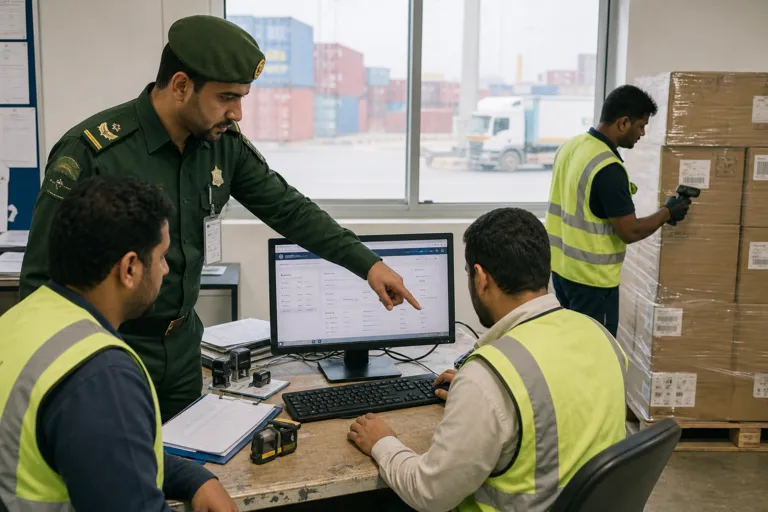
FASAH reduces waiting by moving many steps into one online flow. Sources say it simplifies clearance by reducing paperwork and automating several procedures. It supports real-time tracking and shipment updates, so businesses can monitor goods through the supply chain. It also supports electronic payment and shipment tracking, and includes truck appointment booking. When users stay informed on shipment status, they can reduce delays and improve coordination across stakeholders.
A key accelerator is the digital link between FASAH and SABER. SABER is the SASO platform that issues conformity certificates to ensure imported products comply with Saudi specifications before they enter the market. The Zakat, Tax and Customs Authority, in cooperation with SASO, implemented advanced digital integration between the two platforms to make transactions more flexible and efficient. The stated goal is to simplify procedures for traders and importers and reduce the time required to complete transactions.
FASAH also scales because it is built as a broad service hub. One source says it provides over 135 services dedicated to customs operations, supporting better flow of goods through ports. Another source highlights single window services that let users track the status and details of clearance letters for restricted goods, including balance checking to see how much permission remains. Importers can also manage their information across all customs branches in a unified system.
What is the FASAH single window Saudi Arabia platform?
How fast can clearance be with FASAH?
How does FASAH work with SABER?
What services does FASAH provide for traders and brokers?
Talk to us for your needs in:
- Identifying Suitable Warehouse Sites in Saudi Arabia
- Customized Logistics and Supply Chain Analytics
- Logistics Network Design and Optimization
- Green Supply Chain and Sustainable Logistics Solutions
- Supply Chain Risk Management and Compliance
- Advanced Supply Chain Resilience and Agility
- Logistics Market Research and Strategic Analysis
- In-Depth Market Survey for Logistics
- Market Intelligence and Insights in Logistics
- Feasibility Study and Assessment in Logistics
- Integrated Warehousing Management Solutions
- Smart Warehousing and Automation Systems
- Sustainable and Green Warehousing Practices
- Port and Airport Logistics Optimization
- Digital Logistics Solutions
- Saudi Logistics Benchmarking