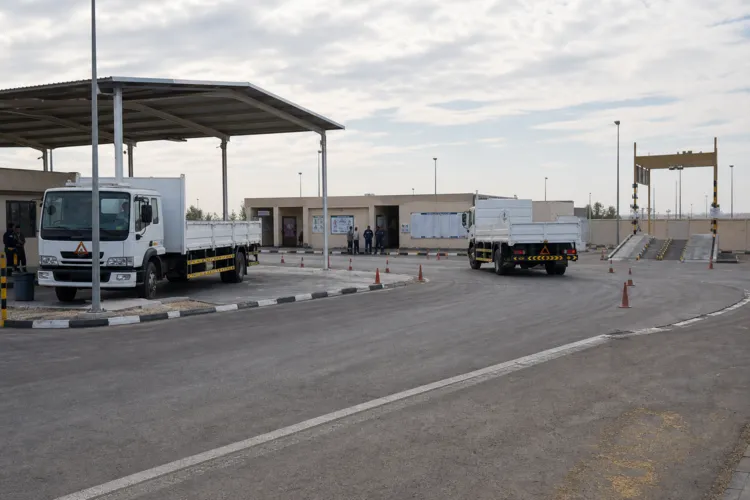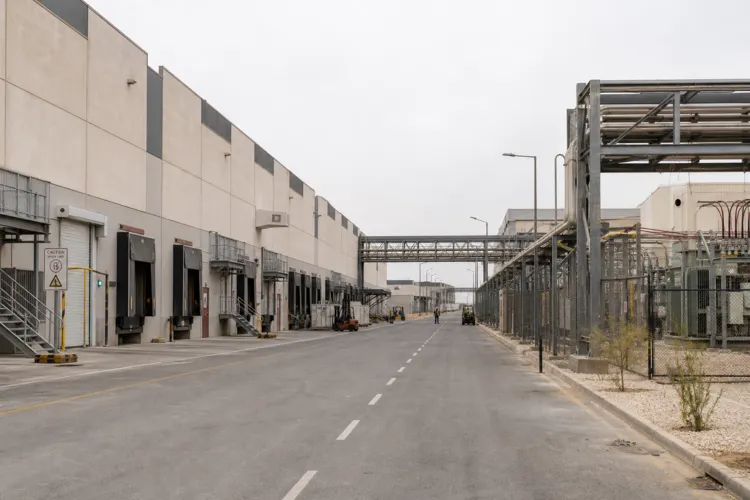
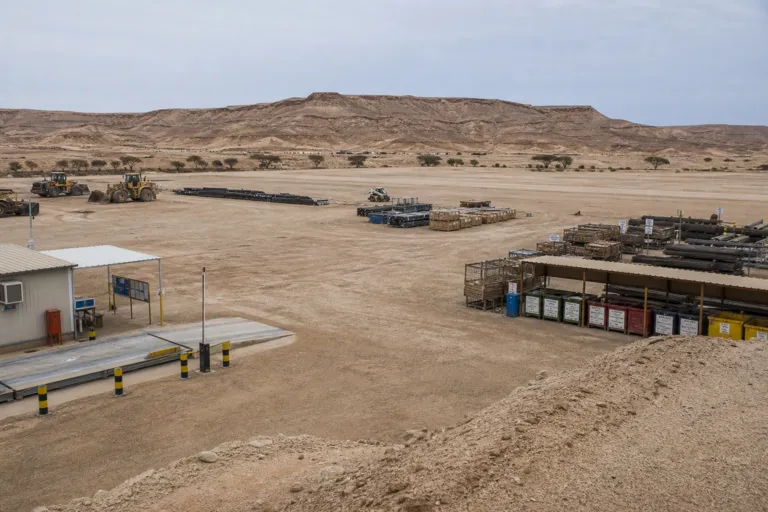
Supplying AlUla’s destination build-out is not only a construction task. It is a remote supply chain challenge that has to keep pace with a national tourism expansion agenda. Saudi Arabia’s Vision 2030 destination strategy sets a target of 100 million total visits per year, including domestic and international tourism as well as religious pilgrims and business travellers. The same strategy aims to raise tourism’s GDP contribution from approximately 3 percent to 10 percent by 2030. Within that bigger push, cultural tourism destinations such as AlUla sit alongside other giga-projects as part of a wider portfolio, so inbound flows, service standards, and delivery discipline matter.
For AlUla, the operational reality is shaped by both growth expectations and land-use limits. AGBI reports AlUla attracted 300,000 visitors last year, and that about 1 million visitors are expected by 2030, according to comments from the Royal Commission for AlUla’s chief tourism officer. At the same time, the same report notes that about 60 percent of the Unesco World Heritage Site is designated a national park and cannot be developed. That constraint makes staging, consolidation, and just-in-time delivery more important, because supply routes and temporary laydown areas must work around where development is not allowed.
Connecting Air Access, Investors, and On-Site Execution
Air connectivity is a practical part of how AlUla can be supplied and serviced, especially when schedules and reliability affect everything from hospitality operations to high-value cargo. A Saudi Arabia travel sector briefing notes Swissport International has operated in Saudi Arabia since 2016 and provides passenger, ramp, and cargo handling solutions across key airports, explicitly including AlUla. As projects scale, that kind of ground and cargo handling capacity is part of the enabling layer for remote-site delivery. On the financing side, AGBI reports AlUla plans to offer projects worth SAR6 billion ($1.6 billion) for private sector participation, with about 21 projects to be floated to the market. Procurement, vendor qualification, and delivery sequencing tend to become more complex as private capital enters and multiple packages run in parallel.
Construction and tourism operations also create a growing back-end logistics load: waste streams that must be collected, processed, and disposed of without disrupting a heritage destination. A Saudi Arabia waste management market report states that the “Rest of Saudi Arabia” cluster, including NEOM’s Tabuk site, is forecast to grow at 8.19% a year as giga-project build-outs drive construction and demolition tonnage and push operators to install modular processing lines. The same source highlights AlUla’s organic waste composting initiative as an example of smaller cities moving toward circular models when capital and regulatory clarity align. It also notes commercial streams covering malls, offices, and hotels are forecast to outpace all other categories at a 9.6% CAGR to 2031, linked to Vision 2030 tourism targets.
From a planning view, AlUla tourism logistics must be treated as a system: inbound access, on-site constraints, and outbound waste and materials flows. Saudi Arabia’s strategy explicitly frames giga-projects as a supply-side backbone for tourism development, which puts pressure on procurement readiness and delivery governance as visitor volumes rise. The AlUla pathway includes scaling from the reported 300,000 visitors last year toward the expected 1 million by 2030, while respecting the 60 percent national-park designation that cannot be developed. In practice, that means aligning airport-enabled service capacity, multi-project private investment packaging, and waste-handling operations so the destination experience is not interrupted by the realities of a remote build-out.
How is AlUla’s visitor growth shaping logistics planning?
What land-use constraint affects supply chain execution in AlUla?
What role can airports play in supplying a remote destination like AlUla?
What investment pipeline is being opened for AlUla projects?
What does the AlUla tourism logistics picture include beyond transport?
Talk to us for your needs in:
- Identifying Suitable Warehouse Sites in Saudi Arabia
- Customized Logistics and Supply Chain Analytics
- Logistics Network Design and Optimization
- Green Supply Chain and Sustainable Logistics Solutions
- Supply Chain Risk Management and Compliance
- Advanced Supply Chain Resilience and Agility
- Logistics Market Research and Strategic Analysis
- In-Depth Market Survey for Logistics
- Market Intelligence and Insights in Logistics
- Feasibility Study and Assessment in Logistics
- Integrated Warehousing Management Solutions
- Smart Warehousing and Automation Systems
- Sustainable and Green Warehousing Practices
- Port and Airport Logistics Optimization
- Digital Logistics Solutions
- Saudi Logistics Benchmarking