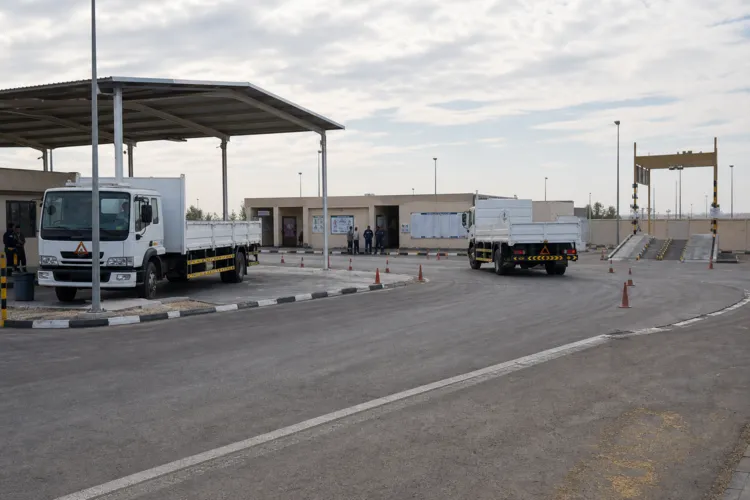
Saudi Arabia’s 1447 AH Hajj season concluded in May 2026 with official statistics from GASTAT reporting 1,707,301 pilgrims. The same data shows 1,546,655 were international pilgrims and 160,646 were domestic pilgrims, including citizens and residents. Entry patterns for international pilgrims were heavily air-based, with 1,485,729 arriving via air routes, compared with 54,429 by road and 6,497 by sea. For any large-scale pilgrimage, those arrival splits matter for inbound staging, warehousing priorities, and last-mile distribution planning at peak periods.
Operational readiness focused on controlling movement between the holy sites through advance planning and technology-enabled scheduling. The Ministry of Hajj and Umrah described an integrated operational system designed to schedule pilgrim flows and monitor adherence to the approved timetables. It also highlighted comprehensive operational plans developed with concerned entities, plus a joint command model to accelerate information exchange and activate response mechanisms for field variables. In practice, this type of coordination supports safer crowd movement and keeps transport and service capacity aligned with the minute-by-minute rhythm of rituals.
Goods Flow at Scale: Distribution, Waste, and Site Readiness
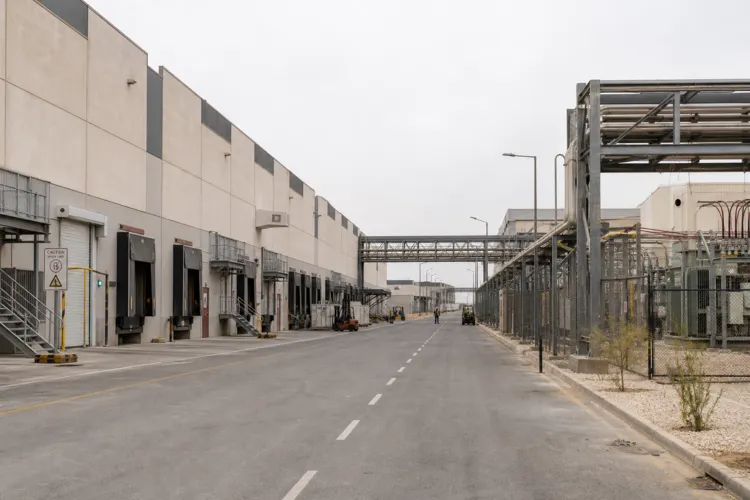
Municipal and infrastructure services formed the backbone of goods flow across Makkah and surrounding pilgrimage areas. Saudi authorities reported the distribution and management of hundreds of millions of food and beverage items during the season, a volume that requires synchronized procurement, staging, and replenishment across multiple sites. Sanitation teams removed more than 266,000 tonnes of waste, underscoring how reverse logistics is inseparable from forward distribution during mass gatherings. Site readiness also included installing 20,000 lighting units in Arafat and planting 60,000 trees as part of environmental and infrastructural initiatives supporting operations across the holy sites.
Transport logistics were also supported by digital monitoring and high-capacity movement systems. Authorities reported the use of AI-based systems for crowd management and transportation operations, including the Sawaher platform for monitoring pilgrim movement. The Al Mashaaer Al Mugaddassah Metro transported more than two million passengers across the holy sites, reinforcing the role of scheduled mass transit in reducing pressure on road corridors and pedestrian routes. Inside key facilities, reported infrastructure details such as 386 escalators operating within the 950-meter-long Jamarat facility illustrate how physical throughput design complements digital flow control.
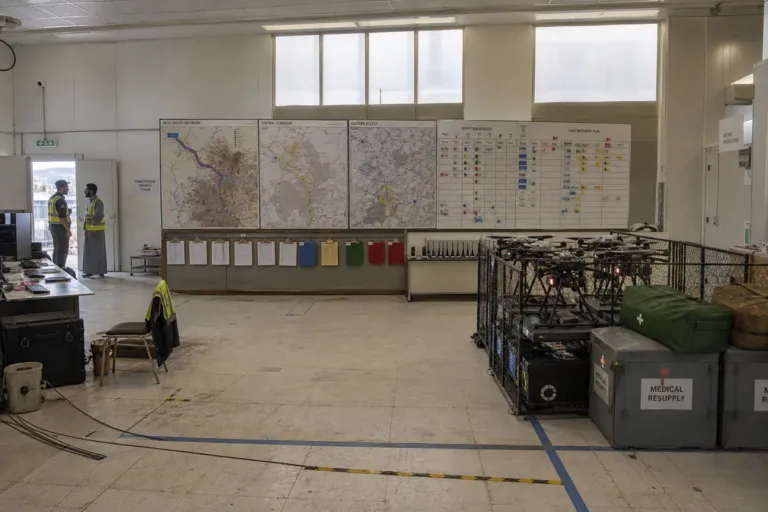
Drone resupply was positioned as a targeted, high-impact tool inside health and emergency logistics. Saudi authorities reported drone-assisted medical delivery systems used for rapid medicine delivery, alongside remote monitoring devices for high-risk pilgrims. During the season, government medical teams provided more than 2.5 million healthcare services, including 410 complex surgical procedures, and officials stated the pilgrimage concluded without epidemic outbreaks. For Hajj 1447 logistics operations, that combination of rapid delivery, monitoring, and capacity for complex care shows how resupply speed and clinical readiness can be built into the wider command-and-control model rather than treated as a separate function.
How many pilgrims were recorded for Hajj 1447 AH, and how many were international?
How did international pilgrims enter Saudi Arabia during Hajj 1447 AH?
What did the Ministry of Hajj and Umrah say about managing pilgrim flows between the holy sites?
What scale of municipal and goods-flow activity was reported during the season?
How were drones used within Hajj 1447 logistics operations?
Talk to us for your needs in:
- Identifying Suitable Warehouse Sites in Saudi Arabia
- Customized Logistics and Supply Chain Analytics
- Logistics Network Design and Optimization
- Green Supply Chain and Sustainable Logistics Solutions
- Supply Chain Risk Management and Compliance
- Advanced Supply Chain Resilience and Agility
- Logistics Market Research and Strategic Analysis
- In-Depth Market Survey for Logistics
- Market Intelligence and Insights in Logistics
- Feasibility Study and Assessment in Logistics
- Integrated Warehousing Management Solutions
- Smart Warehousing and Automation Systems
- Sustainable and Green Warehousing Practices
- Port and Airport Logistics Optimization
- Digital Logistics Solutions
- Saudi Logistics Benchmarking