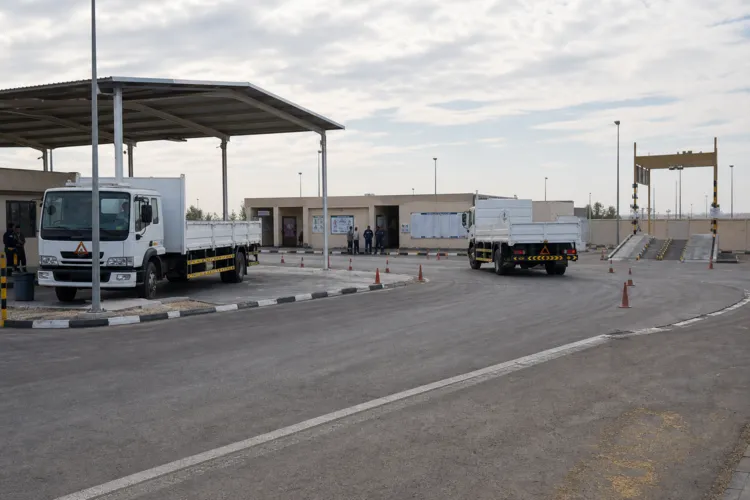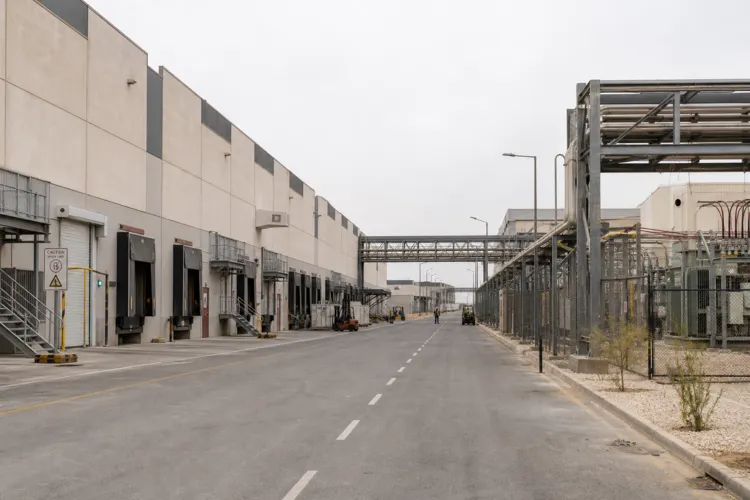
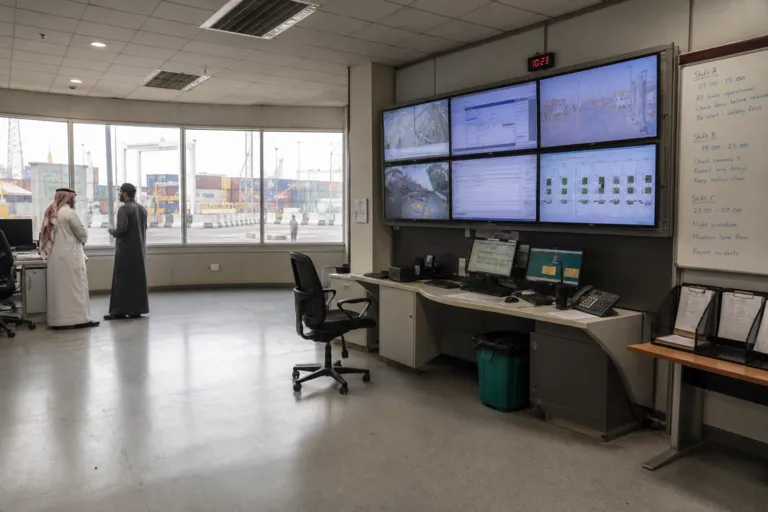
Clearance friction grows when terminal gates, inspection lanes, and paperwork workflows move at different speeds. In Saudi Arabia, that mismatch is getting harder to tolerate as logistics investment accelerates. The Saudi Ports Authority has earmarked USD 4.5 billion to modernize container yards, digital gates, and bulk terminals, with the stated intent of reducing vessel dwell times and improving throughput reliability. In parallel, Vision 2030 is directing large-scale capital into trade facilitation and transport infrastructure, expanding the baseline of cargo that must be screened, verified, and released without creating bottlenecks.
Smart inspection is one of the pressure valves. In Saudi Arabia’s cargo security and surveillance market, cargo screening and inspection leads with a 32.12% share, while X-ray scanners are the dominant technology at 35.14%. Those shares point to where operational focus sits: inspection capacity and the tools that make it repeatable at speed. The same source cites that Saudi airports collectively handled 1.2 million tons of cargo, a 34% jump compared to the previous year, and that 866,000 tonnes were processed through the Kingdom’s air cargo network in the first nine months of a recent reporting period. As flows rise, terminals need gate controls and inspection throughput to stay synchronized.
Where Digital Gates and Inspections Reduce Day-to-Day Delays
Digital gating works best when it connects to inspection decisioning instead of acting as a standalone access checkpoint. Industry reporting on cargo inspection notes that software-driven offerings are expanding, including electronic filing modules, certificate lifecycle management, and alerting features that reduce compliance friction. These tools help align what the gate sees with what inspection teams require, lowering the risk that a truck is physically present but administratively blocked. The same report highlights how capacity expansions raise expectations for synchronized gate, yard, and berth operations, citing Saudi Arabia’s DP World terminal expansion in Jeddah that doubled capacity to 4 million TEUs and introduced a large-scale reefer inspection facility.
Vehicle inspection digitalization adds another layer of predictability to gate flows, especially for commercial fleets. In Saudi Arabia, the vehicle parc exceeded 18 million units in 2025, with annual new registrations growing at 4–6%, and mandatory periodic technical inspection is being extended nationwide under the Ministry of Interior’s 2030 road safety strategy. The same market source states that commercial vehicle inspection is growing faster at 12–16% annually, tied to logistics hub expansion. It also describes digital records that are automatically uploaded to the national traffic database (SALEM), while imported systems require SASO product conformity certification (CoC) before customs clearance, a process that can take 2–4 months.
Put together, Saudi digital port gates and smart inspection practices are becoming a single operational story: digital access, risk-aligned checks, and software-backed compliance that keeps cargo moving. The business case is reinforced by market momentum. IMARC Group data cited in sector coverage values the Saudi Arabia cargo security and surveillance market at USD 39.9 million in 2025 and projects USD 83.4 million by 2034, with a CAGR of 8.55% during 2026–2034. With terminals modernizing and inspection technology adoption expanding, the practical win is fewer handoffs and fewer preventable holds between the gate, the yard, and inspection desks.
How are Saudi digital port gates helping reduce clearance friction?
What inspection technologies are most prominent in Saudi cargo security deployments?
What recent capacity changes raise the bar for synchronized gate and inspection operations in Saudi terminals?
What is driving growth in commercial vehicle inspection systems in Saudi Arabia?
Which software features are cited as reducing compliance friction in cargo inspection workflows?
Talk to us for your needs in:
- Identifying Suitable Warehouse Sites in Saudi Arabia
- Customized Logistics and Supply Chain Analytics
- Logistics Network Design and Optimization
- Green Supply Chain and Sustainable Logistics Solutions
- Supply Chain Risk Management and Compliance
- Advanced Supply Chain Resilience and Agility
- Logistics Market Research and Strategic Analysis
- In-Depth Market Survey for Logistics
- Market Intelligence and Insights in Logistics
- Feasibility Study and Assessment in Logistics
- Integrated Warehousing Management Solutions
- Smart Warehousing and Automation Systems
- Sustainable and Green Warehousing Practices
- Port and Airport Logistics Optimization
- Digital Logistics Solutions
- Saudi Logistics Benchmarking