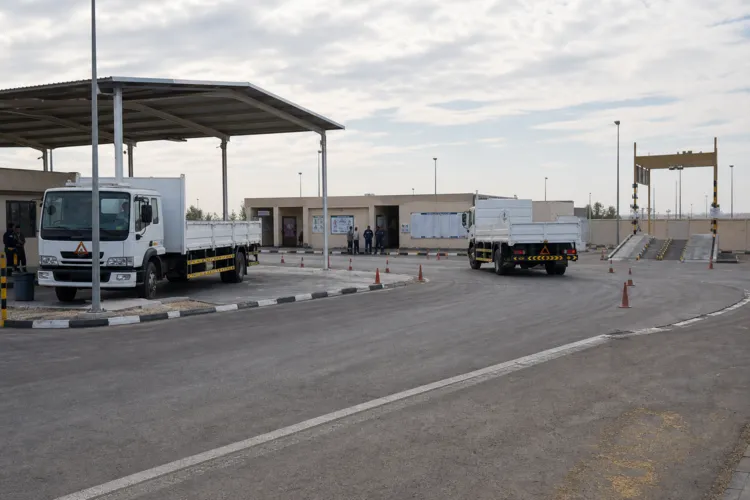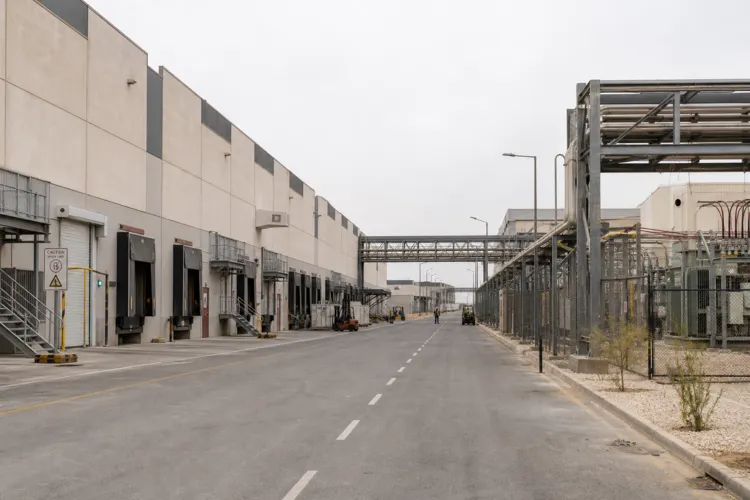
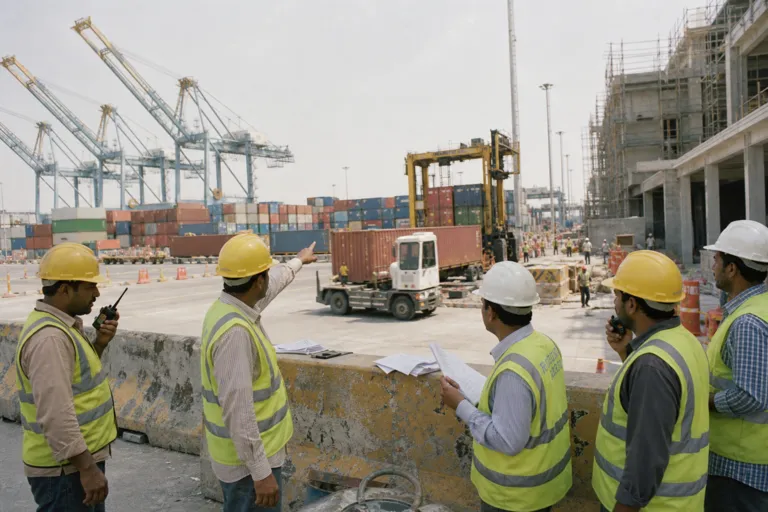
King Abdulaziz Port Dammam sits at the center of Saudi Global Ports’ (SGP) eastern push. SGP operates what it describes as the largest container terminal on the Eastern Coast of Saudi Arabia at King Abdulaziz Port Dammam. The operator says volumes have grown year on year, reaching a high of 3.2 million TEUs in 2024. SGP’s leadership has framed the next phase around advancing capacity and strengthening operational resilience alongside safety, digital, and sustainability initiatives, while uplifting King Abdulaziz Port Dammam as a key node aligned to Vision 2030 ports and logistics ambitions.
This direction is reinforced by expansion activity and network integration along the Eastern Coast. SGP’s 15 million TEUs milestone was followed shortly by the award and integration of multipurpose terminals along the Eastern Coast in July 2025. SGP links these steps to sustained investment in technology, operational excellence, and workforce development. The message is consistent: expand capacity, improve reliability, and create more options for customers moving Saudi industry to global markets through Dammam and nearby ports.
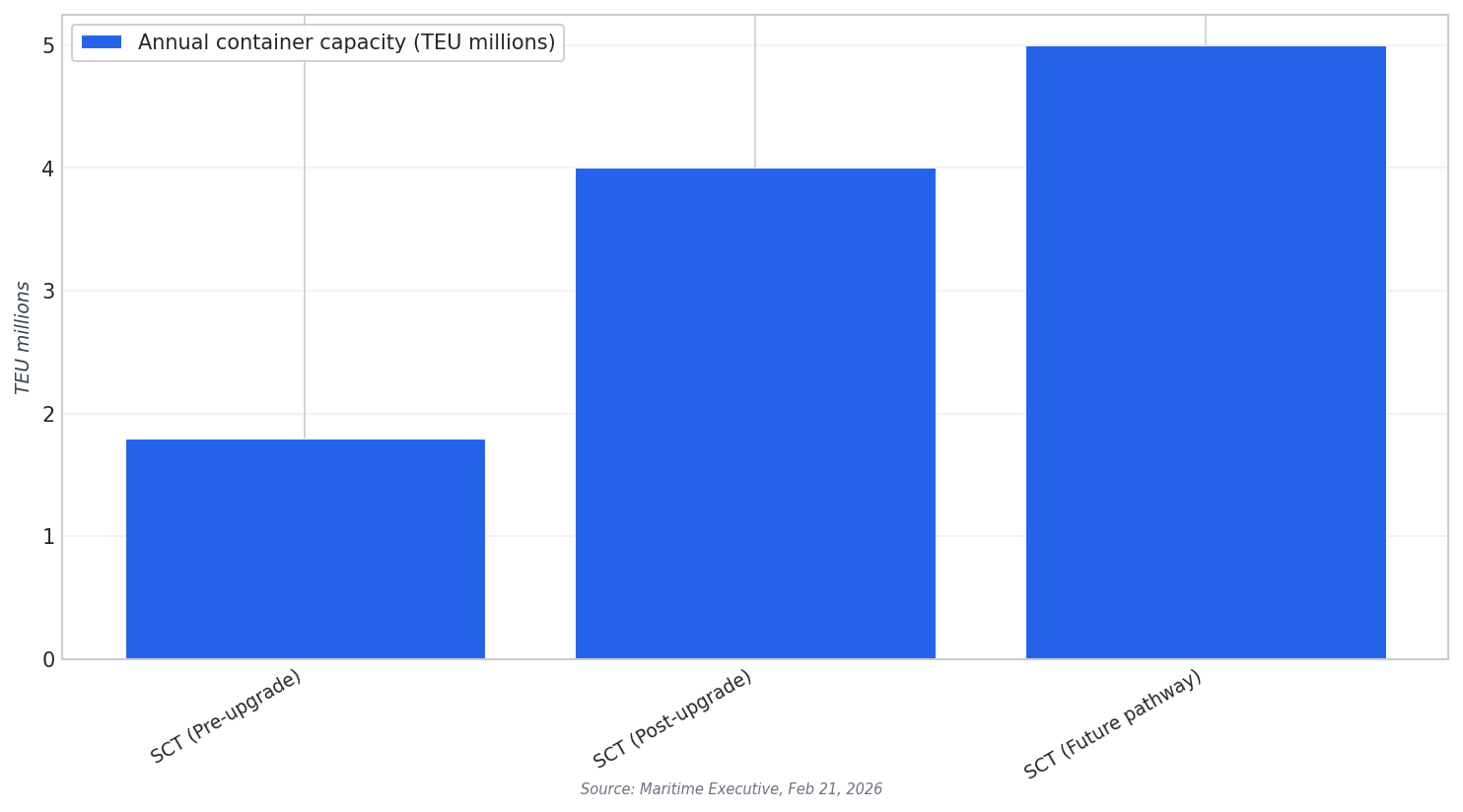
A clear example of how capacity can jump comes from the Red Sea side of the Kingdom. DP World completed a three-year modernization and expansion of the Southern Container Terminal (SCT), doubling capacity from 1.8 million TEU to 4 million TEUs. That same project also paved the way for a future capacity of 5 million TEU, with additional ship-to-shore equipment planned as demand grows. While this example is from Jeddah, it signals how Saudi gateways are being scaled toward the five million TEU level through phased infrastructure and equipment upgrades.
Why Dammam’s Eastern Gateway Role Is Growing
Dammam’s growth story sits inside a wider national logistics narrative. At the Saudi Maritime & Logistics Congress 2025 in Dammam, Saudi officials described the Kingdom as leading the region in tonnage, with its fleet growing by 30% that year. The number of vessels flying its flag reached 427, with total tonnage exceeding 11 million tons. They also cited more than 2,350 Saudi seafarers on board, representing an 11% growth rate through 2024, alongside more than ten major ports with combined capacity exceeding 1.1 billion tons.
On the Eastern Coast, SGP has also broadened its operational footprint with a new Gulf terminal coming online. Operations started at the Jubail container terminal following upgrades under an SGP agreement with Mawani. Quay length was extended from 1,000 metres to 1,400 metres, and berth depth increased from 14 metres to 18 metres. The terminal’s annual capacity grew from 1.5 million teu to 2.4 million teu across a total area of 460,000 square metres. New equipment includes four ship-to-shore cranes, with up to ten STS cranes planned, and RTG cranes increasing from 13 to 29.
These steps shape the context for the King Abdulaziz Port expansion 2026 conversation: volume growth in Dammam, network integration on the Eastern Coast, and upgrades that enable next-generation vessel handling. SGP describes Jubail Commercial Port as a key export hub, and says adding the Jubail Container Terminal strengthens connectivity between ports, inland logistics facilities, and supply chain ecosystems. With Dammam positioned as a key port node and Jubail scaling capacity, the eastern gateway story is increasingly about a connected system built to handle more cargo with greater efficiency.
What does “King Abdulaziz Port expansion 2026” refer to in this article?
How many TEUs did SGP Container Terminals handle in 2024?
What capacity change did DP World complete at the Southern Container Terminal in Jeddah?
What were the key Jubail terminal upgrades that support the Eastern Coast network?
What national maritime figures were highlighted at the 2025 Dammam congress?
Talk to us for your needs in:
- Identifying Suitable Warehouse Sites in Saudi Arabia
- Customized Logistics and Supply Chain Analytics
- Logistics Network Design and Optimization
- Green Supply Chain and Sustainable Logistics Solutions
- Supply Chain Risk Management and Compliance
- Advanced Supply Chain Resilience and Agility
- Logistics Market Research and Strategic Analysis
- In-Depth Market Survey for Logistics
- Market Intelligence and Insights in Logistics
- Feasibility Study and Assessment in Logistics
- Integrated Warehousing Management Solutions
- Smart Warehousing and Automation Systems
- Sustainable and Green Warehousing Practices
- Port and Airport Logistics Optimization
- Digital Logistics Solutions
- Saudi Logistics Benchmarking