Saudi Arabia feeds a population of approximately 36 million people primarily with food grown, raised, and processed in other countries. It imports roughly 80% of its food by value, a dependency the government has identified as a national security concern. Recent shocks highlighted why. During the 2007–2008 global food price crisis, the issue was availability when exporters imposed bans, not affordability. COVID-19 disrupted supply chains and caused temporary shortages of specific products, and the 2022 Ukraine–Russia conflict disrupted global wheat and fertilizer markets. In this context, storage and distribution capacity become more than infrastructure. They become a buffer against external volatility.
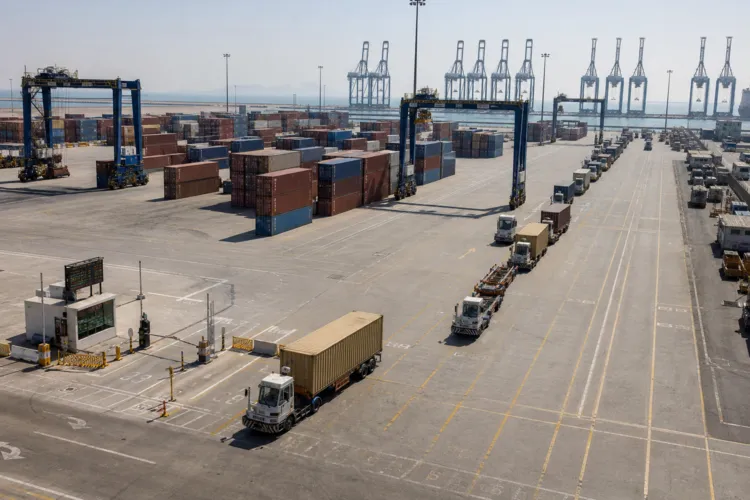
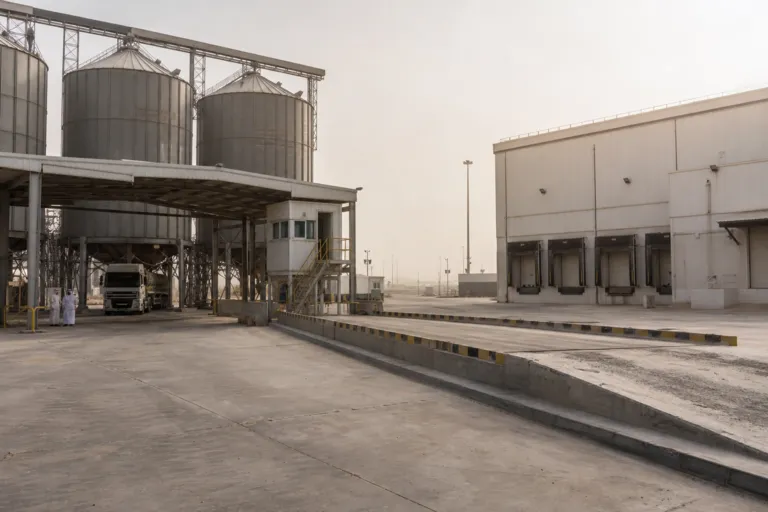
Grain logistics show the strongest link between import dependence and physical storage. IndexBox reports wheat imports alone exceed 3.5 million tonnes annually, while its grain market report describes cereals as locked into import dependence above 85–90% because of water scarcity and the phase-out of domestic wheat cultivation. Concentration risk adds pressure on the network. The same report notes logistics concentration at a handful of ports—Jeddah Islamic Port, King Abdulaziz Port in Dammam, and Yanbu—so a single-terminal disruption can ripple through national supply within weeks. That reality increases the value of diversified port access, inland silo networks, and inventory policies built around resilience, not just cost.
Where Silo Expansion Meets Cold Chain Growth
Silo strategy is also shifting toward higher-protection systems built for local conditions. IndexBox notes that extreme ambient humidity and temperature conditions make hermetic storage a critical intervention, and links demand to food security mandates and a shift away from chemical fumigants. It forecasts the hermetic food grain storage market to grow from USD 45–65 million in 2026 to USD 95–140 million by 2035. It also states SAGO is expanding strategic grain reserves from 2.5 million tonnes to 4.0 million tonnes by 2030, with hermetic storage specified for at least 60% of new capacity. These choices change logistics operations, requiring tighter sealing, monitoring, and handling discipline across ports, silos, and onward transport.
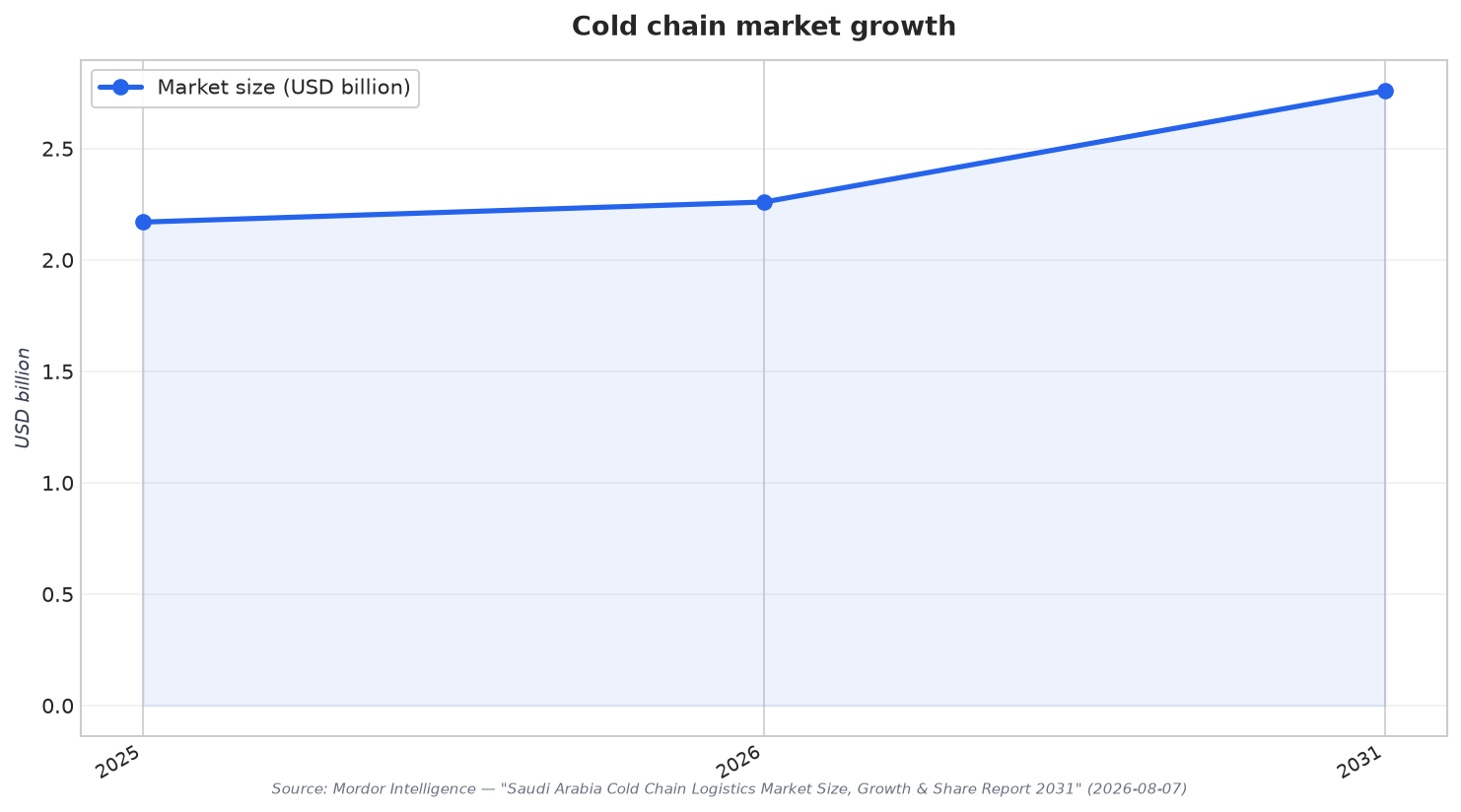
Reefer and distribution logistics are scaling in parallel, reflecting demand for imported foods and tighter quality standards. Vision2030.ai reports total cold storage capacity exceeds 3 million pallet positions and that modern logistics facility stock grew from approximately 3 million square metres in 2020 to over 6 million square metres by 2025. Mordor Intelligence estimates the Saudi Arabia cold chain logistics market at USD 2.17 billion in 2025 and USD 2.26 billion in 2026, with a projection of USD 2.76 billion by 2031 at a 4.12% CAGR for 2026–2031. In 2025, refrigerated storage led with 46.35% market share, while frozen applications captured 30.55%. This is not only about food. Pharmaceuticals and biologics are forecast to expand at a 5.22% CAGR through 2031.
National logistics build-out under Vision 2030 is designed to connect these storage assets to faster import and inland distribution cycles. Mordor Intelligence states the government has earmarked USD 133 billion for new roads, ports, airports, and 59 logistics centers spanning 100 million m² to be delivered by 2030, with 21 centers already in execution. The same source highlights a 5,500 km rail network and says rail-linked corridors lower long-haul costs by 15% versus road-only freight for temperature-sensitive cargo. Market geography also matters. Mordor Intelligence reports Makkah held a 28.65% share of the cold chain logistics market in 2025, while Riyadh is projected to post the fastest 4.15% CAGR between 2026 and 2031. Together, these moves describe Saudi strategic food reserves logistics as an integrated system: import gateways, protected storage, and distribution that can keep essentials moving when global flows tighten.
Why does Saudi Arabia prioritize storage and distribution capacity for food?
What figures show the scale of wheat and cereal import exposure?
How are Saudi Arabia’s strategic grain reserves being expanded?
What is the current scale of cold storage and modern logistics facilities?
How does Saudi strategic food reserves logistics link to Vision 2030 logistics hubs?
Talk to us for your needs in:
- Identifying Suitable Warehouse Sites in Saudi Arabia
- Customized Logistics and Supply Chain Analytics
- Logistics Network Design and Optimization
- Green Supply Chain and Sustainable Logistics Solutions
- Supply Chain Risk Management and Compliance
- Advanced Supply Chain Resilience and Agility
- Logistics Market Research and Strategic Analysis
- In-Depth Market Survey for Logistics
- Market Intelligence and Insights in Logistics
- Feasibility Study and Assessment in Logistics
- Integrated Warehousing Management Solutions
- Smart Warehousing and Automation Systems
- Sustainable and Green Warehousing Practices
- Port and Airport Logistics Optimization
- Digital Logistics Solutions
- Saudi Logistics Benchmarking