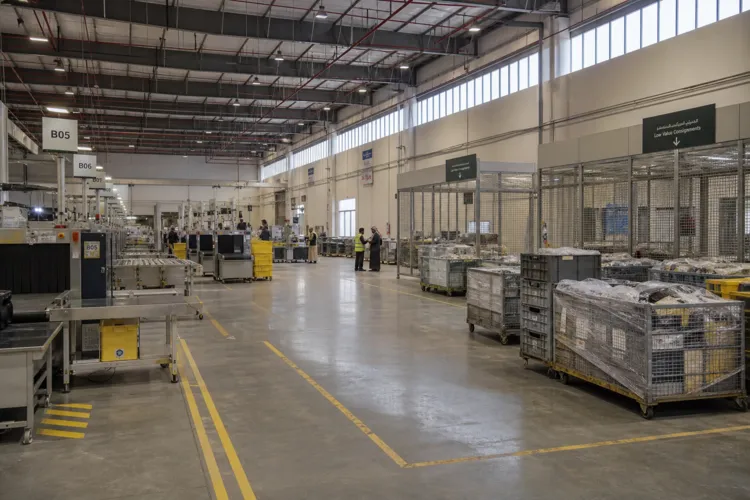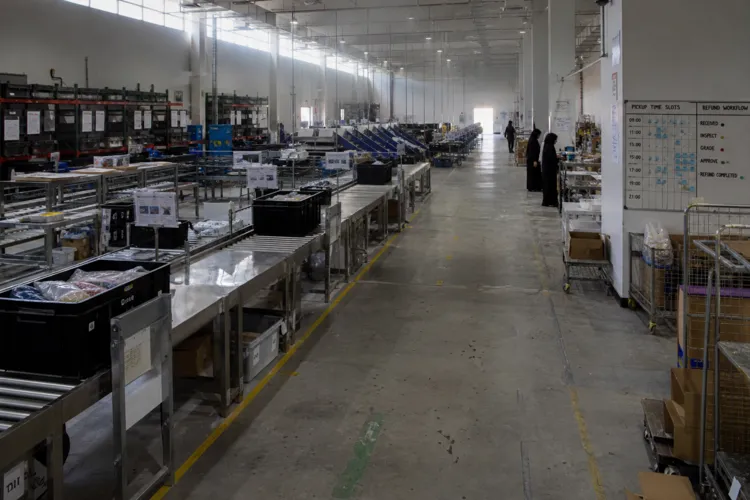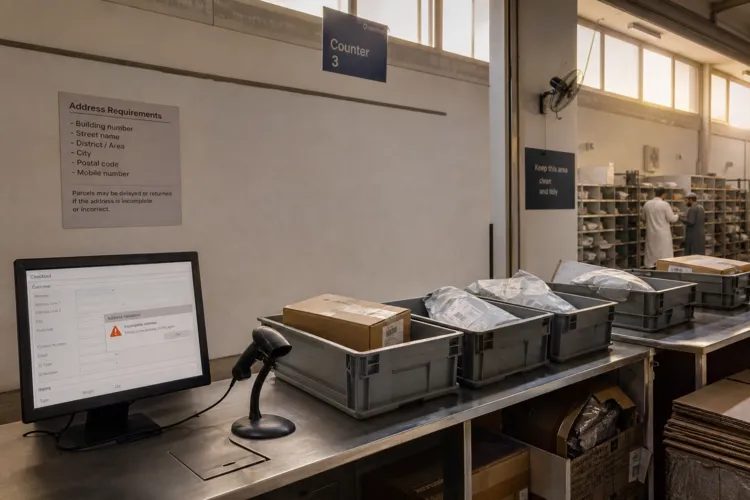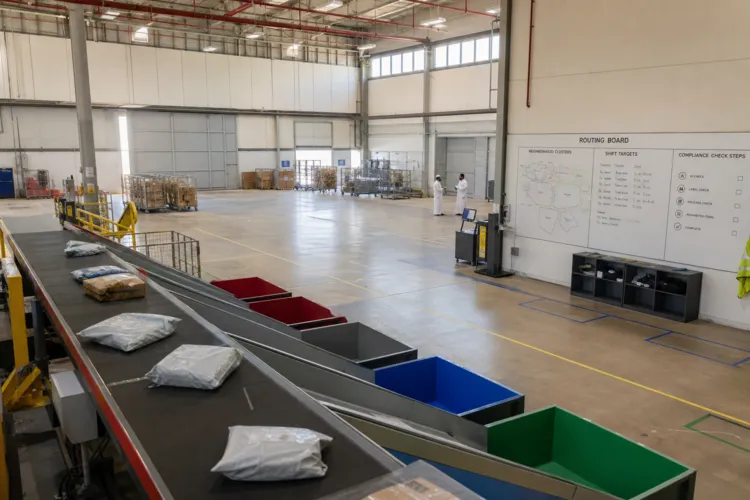
Saudi Arabia’s compliance environment in 2026 is shaped by stricter enforcement and a deeper push into digital oversight under the Zakat, Tax and Customs Authority (ZATCA). ZATCA was established in 2021 through the merger of the General Authority of Zakat and Tax (GAZT) and the General Authority of Customs, and it now sits at the center of tax and customs administration. In practical terms, that means warehouse and logistics teams can no longer treat bonded operations as “just storage.” Bonded status may defer duty payment, but it does not bypass compliance requirements or safety inspections, and operators still need robust documentation and operational discipline.
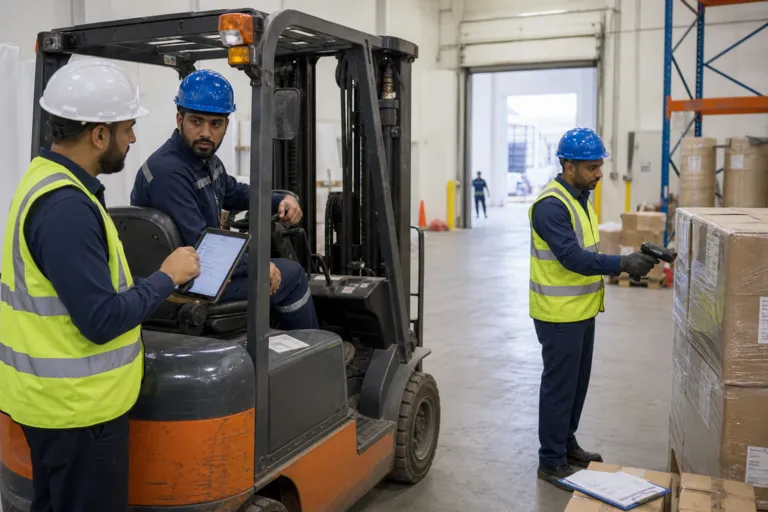
Bonded warehouses are built on controls that connect goods to customs processes. In bonded facilities, entry bonds, warehouse receipts, detailed inventory records, and withdrawal declarations are part of the operating reality. Inventory is not simply counted; it must be traceable. Operators must maintain detailed inventory records linking each item to its customs declaration, which turns master data quality into a compliance issue. This is where ZATCA bonded zone inventory rules become less about a warehouse spreadsheet and more about end-to-end governance, because inventory accuracy, documentation completeness, and the ability to explain movements are directly tied to whether a facility can stand up to deeper scrutiny.
Why 2026 Turns Inventory Data Into an Audit-Readiness Test
Multiple sources describe 2026 as a pivotal year for enforcement and audit expectations. ZATCA is scrutinising how businesses calculate, when they report, and whether digital infrastructure can withstand real-time auditing, with advanced digital oversight mechanisms fully embedded by 2026. That matters for warehouses because small data issues can scale fast. As noted in guidance for CFOs, a single incorrect tax code in master data can replicate into thousands of errors, which raises the stakes for item setup, classification logic, and movement tracking. The goal becomes audit readiness: producing a complete, accurate, and fully traceable audit file for ZATCA on demand, rather than reacting after questions arrive.
Warehouses also sit inside a broader compliance stack. ZATCA oversees VAT, Corporate tax, Zakat, and withholding tax, and it governs e-invoicing compliance protocols, audit supervision, and enforcement. VAT is highlighted with a fixed rate of 15% on most goods and services once registered, and that creates pressure for accurate transaction linkage between inventory events and invoicing outputs. ZATCA’s “FATOORA e-invoicing” initiative reinforces the expectation that businesses digitize invoicing procedures, and technical specifications are periodically updated, making ongoing compliance a continuous requirement. For bonded goods, that means inventory controls need to align with documentation, invoicing processes, and reporting discipline.
Operationally, the most defensible path is to design bonded-zone workflows around traceability and system robustness. Customs authorities license bonded facilities after verifying security standards, accounting systems, and compliance protocols, and bonded operations depend on detailed records that connect each item to a declaration and to the withdrawal documentation. In 2026, the compliance mindset described across ZATCA guidance shifts from basic adherence to forensic-level transparency, where the question becomes whether your compliance system is structured and robust enough to withstand strict audits without incurring risks. For warehouse leaders, that translates into tighter master data governance, disciplined document retention, and processes that can produce complete evidence quickly.
What changes in 2026 make bonded-warehouse inventory compliance more demanding?
How do bonded-zone inventory records support customs compliance?
How should companies interpret ZATCA bonded zone inventory rules in day-to-day warehouse work?
Why does master data quality matter for audit readiness?
How do VAT and e-invoicing increase pressure on warehouse processes?
Talk to us for your needs in:
- Identifying Suitable Warehouse Sites in Saudi Arabia
- Customized Logistics and Supply Chain Analytics
- Logistics Network Design and Optimization
- Green Supply Chain and Sustainable Logistics Solutions
- Supply Chain Risk Management and Compliance
- Advanced Supply Chain Resilience and Agility
- Logistics Market Research and Strategic Analysis
- In-Depth Market Survey for Logistics
- Market Intelligence and Insights in Logistics
- Feasibility Study and Assessment in Logistics
- Integrated Warehousing Management Solutions
- Smart Warehousing and Automation Systems
- Sustainable and Green Warehousing Practices
- Port and Airport Logistics Optimization
- Digital Logistics Solutions
- Saudi Logistics Benchmarking