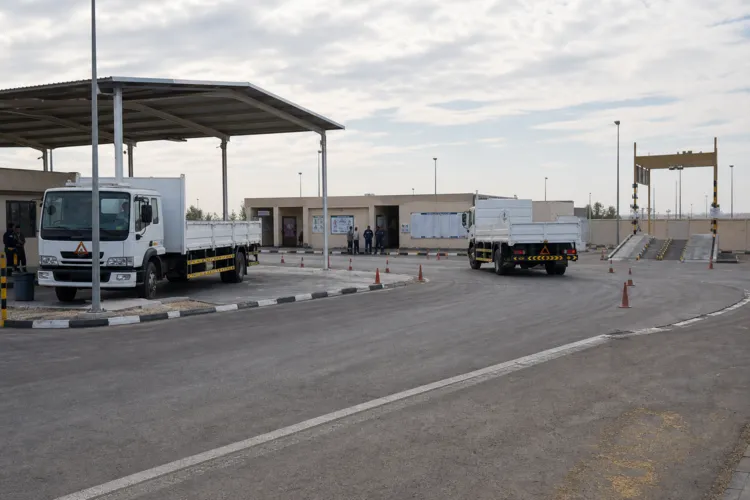
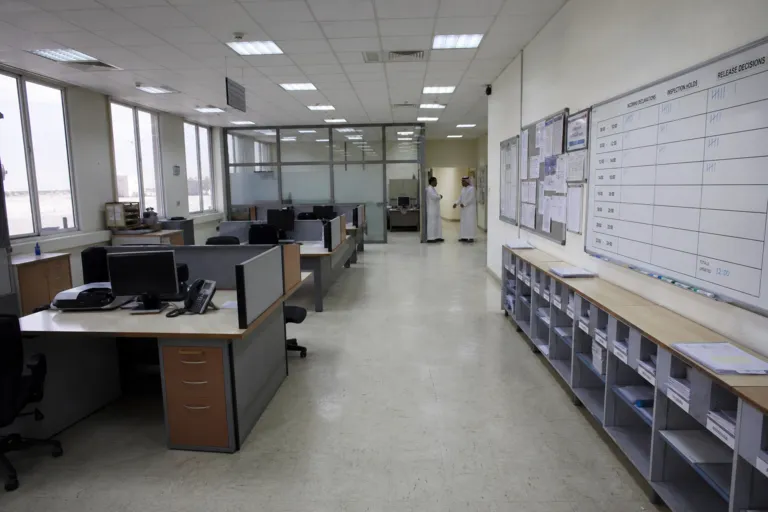
Saudi import planning is being reshaped by a simple operational reality: ZATCA has moved clearance from a process measured in days to one that can be measured in hours for prepared businesses. In 2026, the customs environment is described as more digital, more regulated, and faster than ever before, with ZATCA modernizing how declarations, reviews, and releases are handled. That matters because customs clearance is not only a port step; it is the official approval pathway for goods entering or exiting Saudi Arabia, including submitting correct documents, paying applicable customs duties and VAT, and receiving the release permit that allows cargo to leave the port and enter the local market.
The most timeline-changing element is the “Clearance Within Two Hours” initiative. Under this program, regulatory agencies are legally required to review documents and communicate their inspection decision within two hours of receiving the customs declaration. Saudi Arabia also announced this initiative on 22 January 2023 with the stated aim of reducing customs clearance procedures at all sea, air, and land ports, according to an external market profile source. For importers, the practical implication is that readiness shifts upstream: the speed promise is tied to how quickly a correct declaration reaches the system and how cleanly it can be assessed for risk and compliance.
What Makes the Two-hour Clock Realistic: Digital Rails and Fewer Papers
The two-hour decision target is supported by process design changes that remove physical bottlenecks. One major update is document handling: under ZATCA’s improved program, the number of documents that must be physically submitted has been reduced from 12 to just 2—an invoice and a bill of lading—while other documents are exchanged directly between agencies through FASAH. FASAH is positioned as Saudi Arabia’s national single window for import and export operations, managed by ZATCA and operated through Tabadul, and it connects customs with other agencies such as the Saudi Food and Drug Authority, the Ministry of Commerce, and port authorities. That integration changes importer work from “run between counters” to “submit and monitor,” which compresses timelines when the declaration is accurate.
In parallel, guidance for traders emphasizes pre-arrival submissions as a way to clear goods in hours rather than days, and it also references a separate ZATCA 24-hour clearance initiative that targets most containers for release within a day. These timelines fit into a broader modernization story described in Saudi trade guidance: digital processing replacing paper-based procedures, risk-based inspection replacing blanket physical checks, and processing times reduced from days to hours in many cases. But the benefit is not automatic. Classification and compliance still matter because HS code accuracy drives duty outcomes, and Saudi duty rates are described as ranging from 0% to 25% depending on the product, making data quality and correct coding part of timeline control.
For operational teams, the new timeline logic affects budgeting, audit readiness, and documentation workflows as much as it affects delivery dates. ZATCA’s own e-services illustrate how digitized administration now sits alongside border processing. For example, a ZATCA e-service lets users print customs or statistical data reports via FASAH for auditing or documentation purposes or for other transactions, with stated pricing of 100 riyals for the first 15 sheets and 10 riyals for each additional sheet, and it lists no documents required for that service. Meanwhile, importers still need the right registrations to participate effectively in the system; one step-by-step guide notes that importers need a ZATCA Customs Number, obtained by registering on the Nakheel portal, distinct from the commercial registration.
What does the ZATCA two-hour customs clearance initiative require agencies to do?
Which documents still need to be physically submitted under the improved clearance program?
How does FASAH support faster import clearance in Saudi Arabia?
What duty range is described for Saudi Arabia, and why does it matter for timelines?
What is the stated cost to print customs or statistical data reports using the ZATCA e-service?
Talk to us for your needs in:
- Identifying Suitable Warehouse Sites in Saudi Arabia
- Customized Logistics and Supply Chain Analytics
- Logistics Network Design and Optimization
- Green Supply Chain and Sustainable Logistics Solutions
- Supply Chain Risk Management and Compliance
- Advanced Supply Chain Resilience and Agility
- Logistics Market Research and Strategic Analysis
- In-Depth Market Survey for Logistics
- Market Intelligence and Insights in Logistics
- Feasibility Study and Assessment in Logistics
- Integrated Warehousing Management Solutions
- Smart Warehousing and Automation Systems
- Sustainable and Green Warehousing Practices
- Port and Airport Logistics Optimization
- Digital Logistics Solutions
- Saudi Logistics Benchmarking