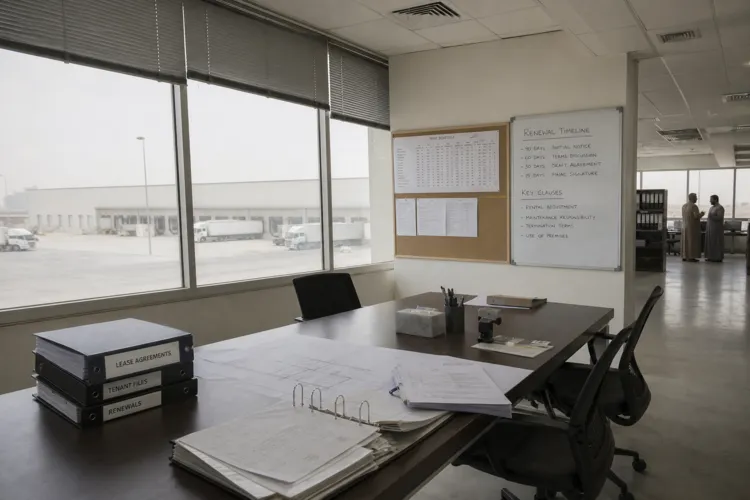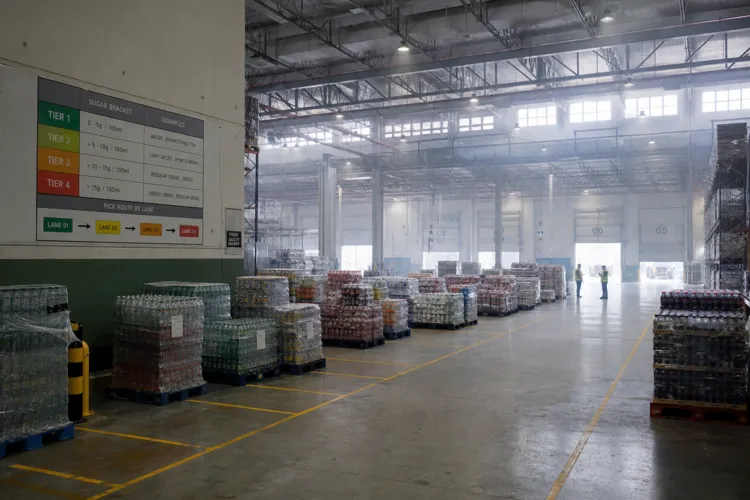
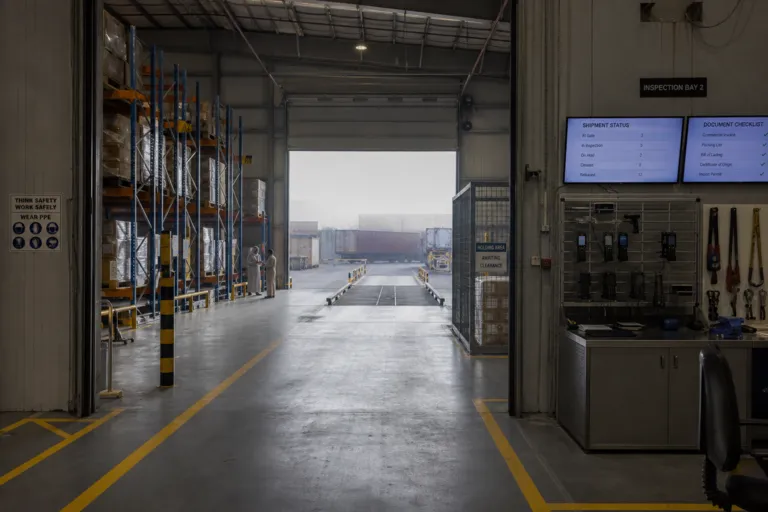
Saudi customs clearance in 2026 runs through FASAH, the government’s single-window digital system that connects importers, customs brokers, carriers, and agencies including SASO, SFDA, and the Ministry of Commerce. The practical takeaway for warehouse operators is simple. Your warehouse management system (WMS) can be strong on inventory accuracy, picking, packing, and dispatch, but still fail at clearance if it cannot exchange the right data with FASAH and support SASO-driven approvals. A Saudi 3PL example in King Abdullah Economic City shows the gap. Tier-one global WMS platforms can lack native FASAH connectors, lack SASO conformity certificate expiry tracking, and even struggle to generate ZATCA-cleared B2B invoices for monthly storage services.
Integration matters because clearance is time-sensitive. ZATCA has a “Clearance Within Two Hours” initiative. Under this program, regulatory agencies are legally required to review documents and communicate their inspection decision within two hours of receiving the customs declaration. For compliant shipments on the Green Track, clearance can happen in under two hours. But the same source warns that incomplete declarations, wrong HS codes, or missing regulatory approvals can push shipments to the Yellow Track (document check) or Red Track (physical inspection), adding days. For warehouses, that risk turns into storage congestion, missed delivery windows, and schedule instability for receiving and outbound loading.
A Practical Blueprint: Map Warehouse Data to FASAH and SASO Needs
Start by mapping which warehouse events must trigger trade documentation tasks. FASAH enables electronic submission of customs declarations (Bayan) before cargo arrives, real-time status tracking from departure to port release, instant notifications on clearance decisions, and automatic links to regulatory agencies for restricted goods approvals. That means your WMS needs consistent master data, clean item identifiers, and a workflow that can surface exceptions early. Use the same discipline for SASO-related control points. The logiolegion source highlights a common failure mode: no SASO conformity certificate expiry tracking inside the warehouse system, which creates avoidable clearance friction when approvals are missing or outdated at the moment of declaration.
Operational visibility should extend beyond the warehouse gate. Fasah also provides an advanced tracking system for shipments and containers, giving visibility into every stage of the journey, including whether goods are under inspection or awaiting final release. Warehouses can use that visibility to plan labor and dock schedules, but only if the warehouse platform is connected to the same status signals and can translate them into tasks. Broker coordination is also a workflow requirement. Fasah includes a digital “Broker Management” area where an importer can search for a licensed broker using a registration number after completing registration, which reinforces the need to align internal roles, data ownership, and external authorization steps.
These integration priorities are expanding because the broader logistics and warehousing environment is expanding. Vision 2030 initiatives include 26 logistics zones across the Kingdom, plus developments such as bonded logistics facilities, digital customs modernization, and cross-border freight automation. One source projects approximately USD 254 million in additional logistics software demand between 2026 and 2031, driven primarily by warehouse digitization, customs automation, and supply chain modernization. In parallel, a Saudi Arabia warehousing and storage market report estimates the market could reach around USD 13.34 billion by 2035. Put together, the message is clear. FASAH SASO customs integration is not a one-off IT project. It is a core capability for warehouses and 3PLs operating in Saudi Arabia in 2026.
Why do warehouses in Saudi Arabia need to connect their WMS to FASAH in 2026?
How does the “Clearance Within Two Hours” initiative affect warehouse operations?
What SASO-related requirement can a warehouse system fail to support?
How can Fasah tracking improve warehouse planning?
What is the scale of logistics software demand linked to customs automation and warehouse digitization?
Talk to us for your needs in:
- Identifying Suitable Warehouse Sites in Saudi Arabia
- Customized Logistics and Supply Chain Analytics
- Logistics Network Design and Optimization
- Green Supply Chain and Sustainable Logistics Solutions
- Supply Chain Risk Management and Compliance
- Advanced Supply Chain Resilience and Agility
- Logistics Market Research and Strategic Analysis
- In-Depth Market Survey for Logistics
- Market Intelligence and Insights in Logistics
- Feasibility Study and Assessment in Logistics
- Integrated Warehousing Management Solutions
- Smart Warehousing and Automation Systems
- Sustainable and Green Warehousing Practices
- Port and Airport Logistics Optimization
- Digital Logistics Solutions
- Saudi Logistics Benchmarking