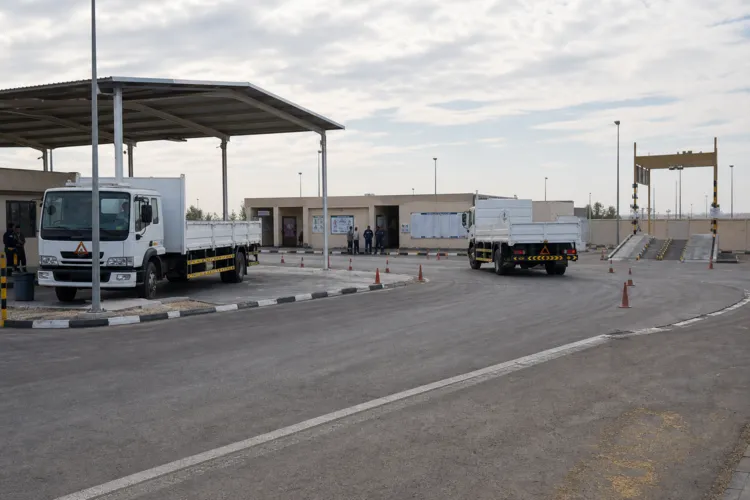
Saudi Arabia’s logistics package includes a rule that sounds simple but can reshape daily trade flows: the permitted operational lifespan of trucks has been raised to 22 years. The change applies to trucks arriving from GCC countries, and Saudi sources describe it as a move that broadens the pool of eligible vehicles and eases cross-border freight movement for regional operators. It also reduces replacement costs for cross-border carriers by extending the effective service life of existing assets.
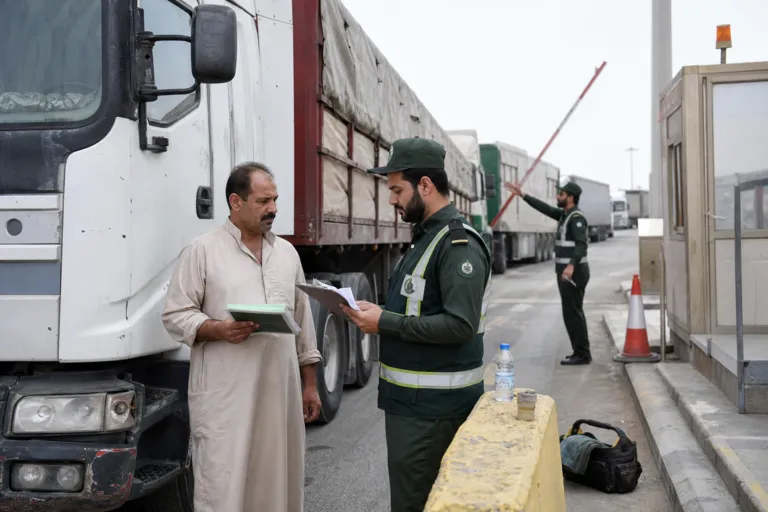
To see why this matters, look at how much traffic already moves through land ports. Between March 1 and March 25, Saudi land customs ports recorded 88,109 outbound truck movements to GCC countries. In the same period, key border points saw large volumes: Al-Bat’ha recorded 41,229 trucks heading to the UAE, the King Fahd Causeway recorded 13,486 trucks to Bahrain, and the Salwa crossing recorded 11,227 trucks to Qatar.
Against this backdrop, a higher age limit can act like added capacity without buying new trucks. More trucks can qualify to operate into Saudi Arabia, so operators can keep established units on the road for longer. For cross-border carriers, that can mean fewer forced replacements and fewer disruptions when fleets are stretched.
Why the Reform Changes the Round Trip, Not Just Entry
The package also targets a common inefficiency: empty repositioning. Saudi Arabia will allow empty trucks transporting goods and refrigerated materials from all GCC countries to enter the Kingdom so they can pick up cargo destined for GCC markets. Sources say earlier restrictions on empty vehicle entry created unnecessary repositioning costs, and removing them can streamline round-trip efficiency.
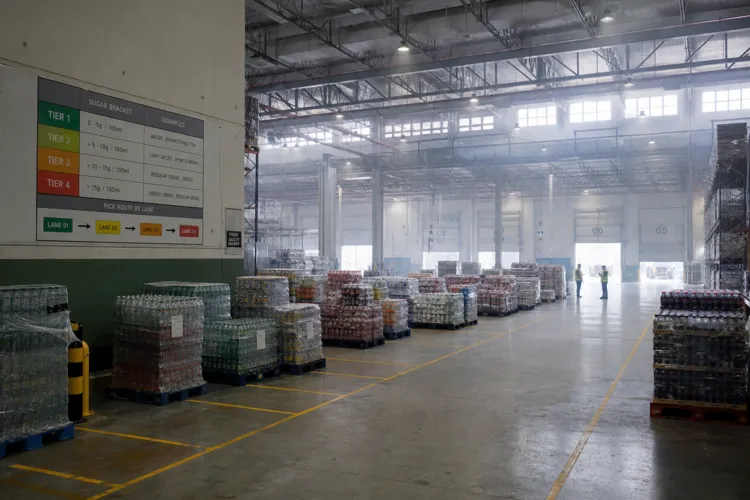
Saudi Arabia also introduced Gulf storage and redistribution zones to manage container movement at King Abdulaziz Port in Dammam, including operational zones for each GCC nation. The same measure includes an exemption from storage fees for up to 60 days for GCC imports and exports. The stated goal is better storage and redistribution efficiency, plus more flexible supply chains between the eastern and western coasts.
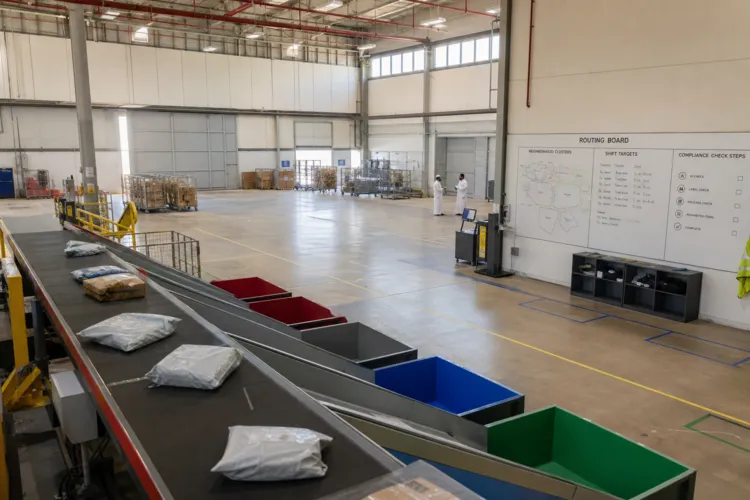
These changes sit inside a wider resilience push. Officials described added operational corridors for containers and goods rerouted from eastern ports to Jeddah Islamic Port and other Red Sea ports, to support stable trade routes with regional and global markets. Saudi Arabia also points to scale on the ground: the Transport General Authority confirmed readiness of over 500,000 trucks operating through 18,500 licensed companies, linking ports, airports, industrial cities, and logistics zones. Saudi Arabia Railways also launched international freight routes connecting Arabian Gulf ports to the Haditha border crossing with Jordan.
What is the GCC truck operational lifespan reform in Saudi Arabia?
How could the 22-year limit affect cross-border trade costs?
What do the border truck numbers show about current demand?
What new rule affects empty and refrigerated trucks entering Saudi Arabia?
Talk to us for your needs in:
- Identifying Suitable Warehouse Sites in Saudi Arabia
- Customized Logistics and Supply Chain Analytics
- Logistics Network Design and Optimization
- Green Supply Chain and Sustainable Logistics Solutions
- Supply Chain Risk Management and Compliance
- Advanced Supply Chain Resilience and Agility
- Logistics Market Research and Strategic Analysis
- In-Depth Market Survey for Logistics
- Market Intelligence and Insights in Logistics
- Feasibility Study and Assessment in Logistics
- Integrated Warehousing Management Solutions
- Smart Warehousing and Automation Systems
- Sustainable and Green Warehousing Practices
- Port and Airport Logistics Optimization
- Digital Logistics Solutions
- Saudi Logistics Benchmarking